
See more sky, night after night
Real gear picks for stargazing: telescopes, binoculars, mounts, eyepieces, and everything to explore the night sky
- A rural to suburban sky where the Milky Way is still easy to see
- Bortle 4
- A fast focal ratio that gives wide, bright views
- f/5
- A popular Dobsonian aperture for a first serious scope
- 8 in
Top picks right now




The Bortle dark-sky scale
- 1Excellent dark sky
- 2Truly dark sky
- 3Rural sky
- 4Rural to suburban
- 5Suburban sky
- 6Bright suburban
- 7Suburban to urban
- 8City sky
- 9Inner city
Class names follow John Bortle's 2001 scale. Lower numbers mean darker skies and more visible stars.
New here?
Start Here: Your First Steps in Backyard Astronomy
8 short steps in the order a beginner needs them, with the guides and tools for each one.
Popular right now
- Best Intervalometers for Automated Astro Shots (2026)Buying guide
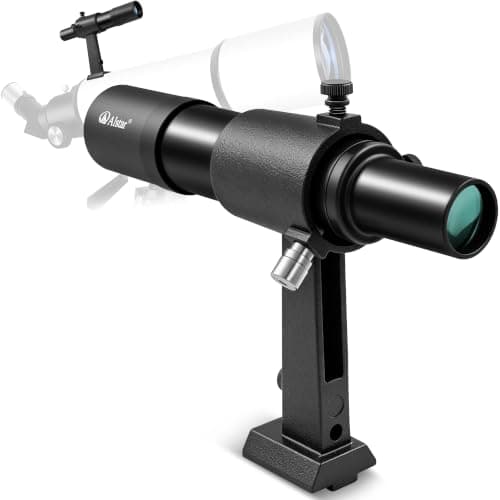
- Best Finder Scopes to Locate Targets Fast (2026)Buying guide
- Telescope Aperture and Magnification ChartArticle
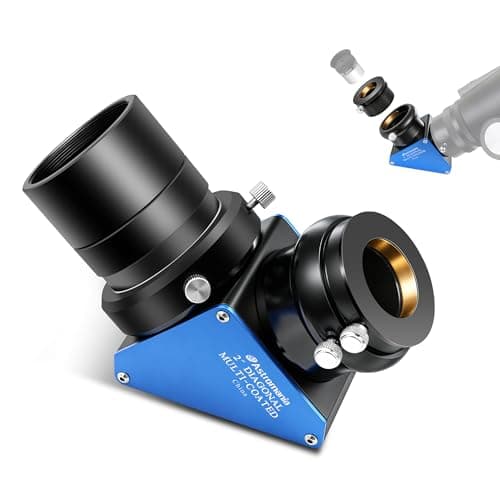
- Best Star Diagonals for Comfortable Viewing (2026)Buying guide
- Best Red Flashlights to Protect Night Vision (2026)Buying guide
- Equatorial mount explainedGlossary
Based on the last 28 days of search and visitor data.
Start here
All guides →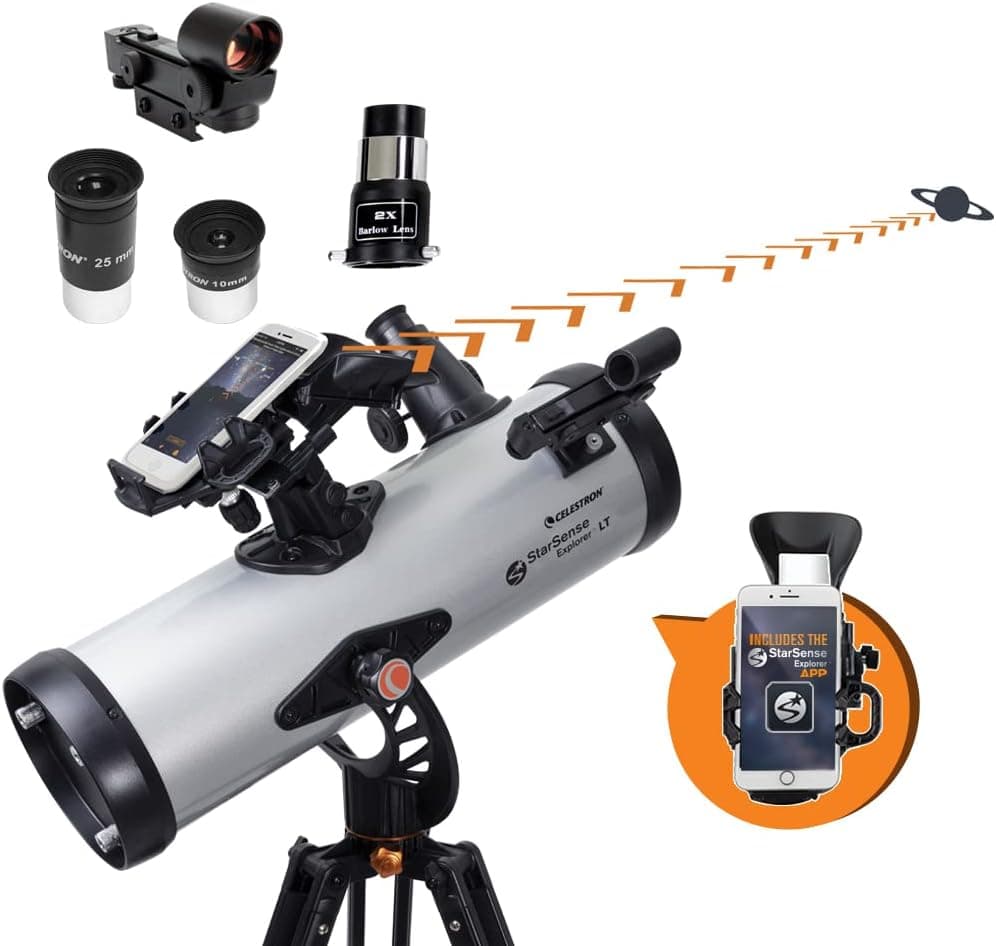
Shop by category
Telescopes
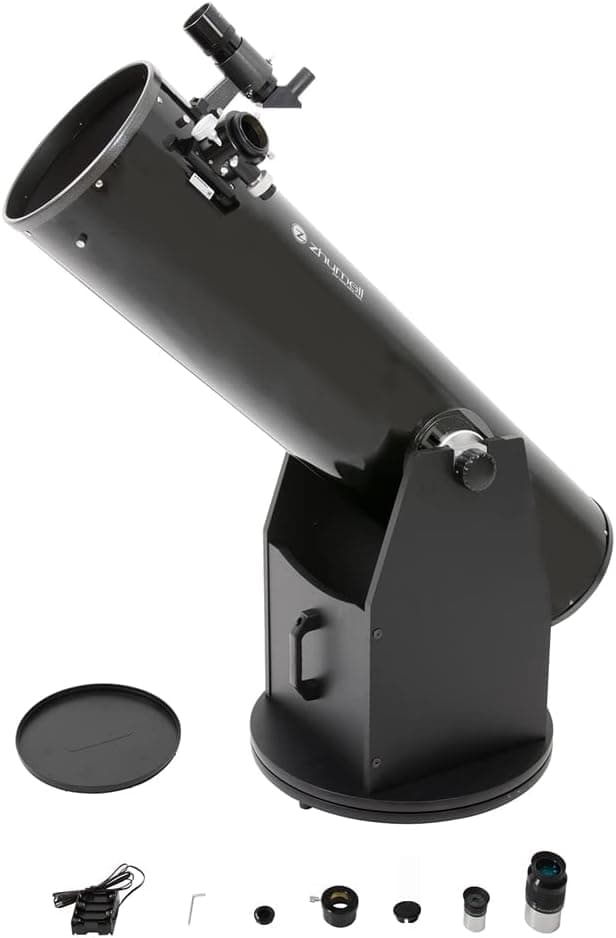
Refractor, reflector, Dobsonian, and computerized telescopes for every observer.
Browse 13 guides →Binoculars & Optics
Astronomy binoculars, spotting scopes, and monoculars for the sky and land.
Browse 10 guides →Mounts & Tripods
Equatorial and GoTo mounts, tripods, and trackers for steady views.
Browse 11 guides →Eyepieces & Accessories
Eyepieces, Barlows, filters, and finders to improve the view.
Browse 12 guides →Astrophotography
Cameras, adapters, guiders, and correctors for imaging the sky.
Browse 8 guides →Observing Gear
Star charts, red lights, cases, and gear for observing nights.
Browse 6 guides →Best buying guides

Best GoTo Mounts for Automated Object Finding (2026)
Compares GoTo mounts by database, slew accuracy, and payload for motorized, guided pointing. For observers and imagers wanting hands-free object location.

Best Camera T-Rings for a Secure Scope Connection (2026)
Compare T-rings by camera mount, thread quality, and build so your DSLR or mirrorless body couples firmly to telescope adapters.
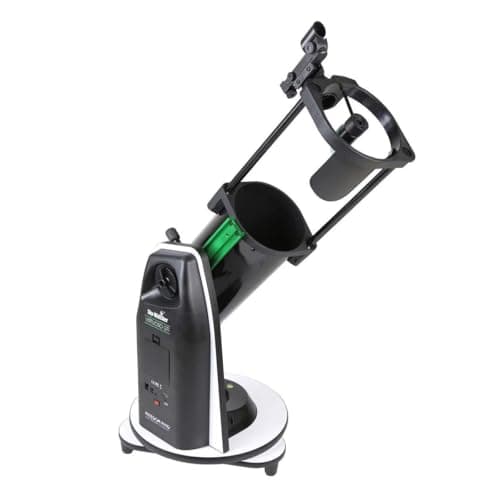
Best Tabletop Telescopes for Grab-and-Go Views (2026)
Compares tabletop Dobsonian telescopes by aperture, weight, and base design for quick sessions. For beginners and small-space observers wanting simplicity.
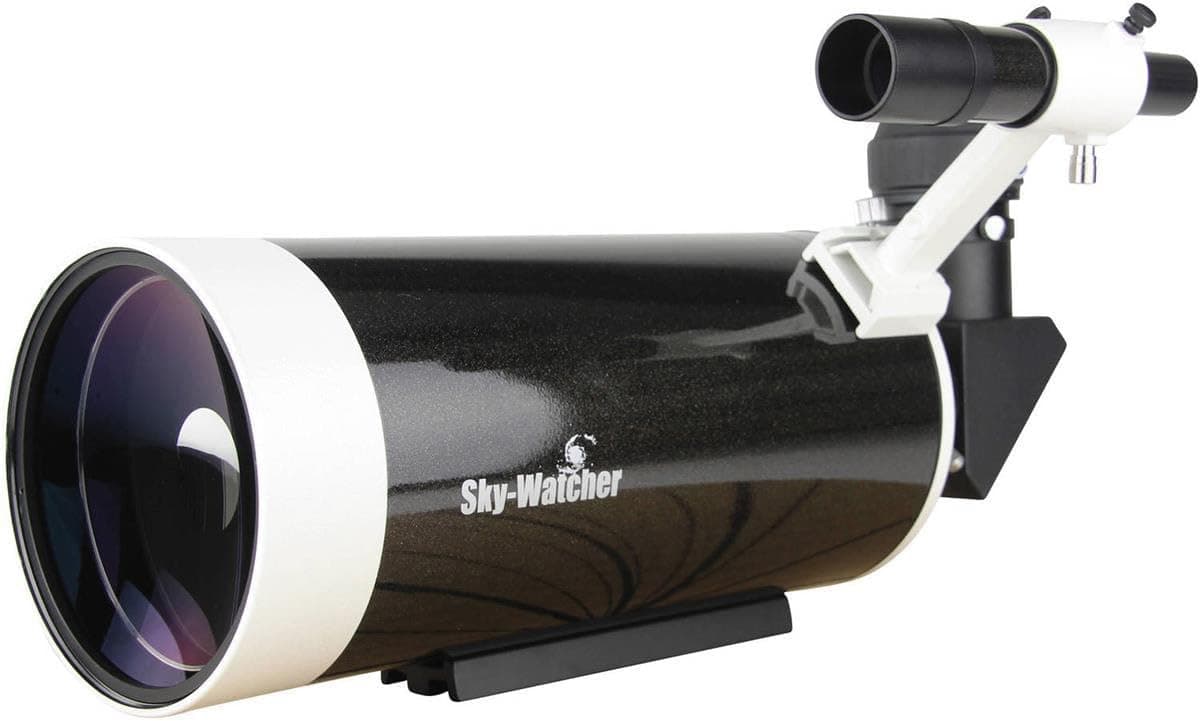
Best Maksutov Telescopes for Planets and Moon (2026)
Compares Maksutov-Cassegrain telescopes by aperture, focal length, and portability for planetary detail. For observers who value sharp, high-contrast views.
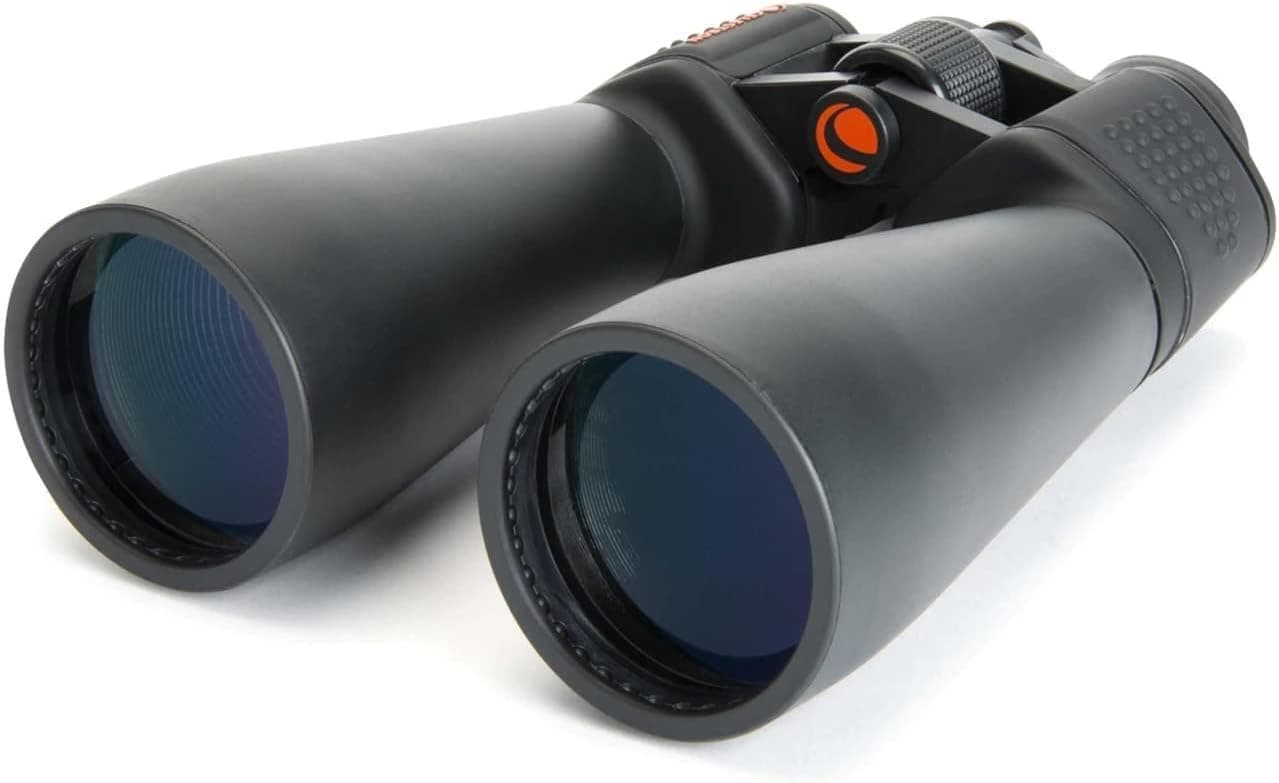
Best Giant Binoculars for Deep-Sky Sweeps (2026)
Compares giant astronomy binoculars by aperture, magnification, and mounting needs for faint targets. For dedicated observers wanting two-eyed deep-sky views.
Best Refractor Telescopes for Sharp Views (2026)
Compares refractor telescopes by aperture, focal ratio, and glass type for planetary, lunar, and double-star viewing. For beginners and detail-focused observers.
Packing tips
All tips →How to Choose Binoculars: Size, Power, Prisms and Fit
How to choose binoculars: read the two numbers, pick the right aperture, check exit pupil and eye relief, and match the size to stargazing or daytime use.
How to Enjoy Winter Stargazing
Long, dark winter nights bring bright stars and clusters. How to stay warm, keep telescopes and batteries working in the cold and plan winter targets.
Why Stars and Planets Look Blurry Through a Telescope
Blurry or boiling views have several causes: focus, atmospheric seeing, cooling, collimation and too much magnification. How to tell them apart and fix them.
How to Align Your Finder Scope So You Can Find Objects
Pointing at the Moon and seeing only black in the eyepiece usually means the finder is not aligned. How to align red dot and optical finders in daylight.