Why Stars and Planets Look Blurry Through a Telescope
Published How we research
A telescope that shows fuzzy, blurry or shimmering stars can make owners think the optics are faulty. In most cases the telescope is fine. Blurry views usually come from focus, atmospheric turbulence, a telescope that has not cooled to outdoor temperature, collimation problems or too much magnification. Learning to identify the cause helps you get sharp views on the right nights.
Focus carefully
Stars should focus to tiny, sharp points. Turn the focuser slowly back and forth through the point of best focus, since it is easy to stop slightly short. A bright star makes a good target for focusing before moving to faint objects.
If you wear glasses for astigmatism, you may see better with them on. Nearsighted and farsighted observers can usually remove glasses and simply adjust focus.
Understand atmospheric seeing
Turbulence in the atmosphere causes stars to twinkle and planets to shimmer or boil. On poor seeing nights, no telescope shows crisp planetary detail at high magnification, even if skies look clear.
Seeing is often better when stars twinkle less and objects are high in the sky rather than near the horizon. Avoid observing over rooftops, roads and parking lots, which release heat after sunset.
Let the telescope cool
A telescope brought from a warm house into cold air has warm air currents inside the tube, which blur the image. Reflectors and Schmidt-Cassegrains with large mirrors can take 30 minutes to over an hour to cool.
Place the telescope outside early, and use cooling fans if your reflector has them. Refractors usually cool faster.
Check collimation
Reflectors and Schmidt-Cassegrains need their optics aligned, called collimation. When collimation is off, stars look like comets or flares rather than points, even at best focus.
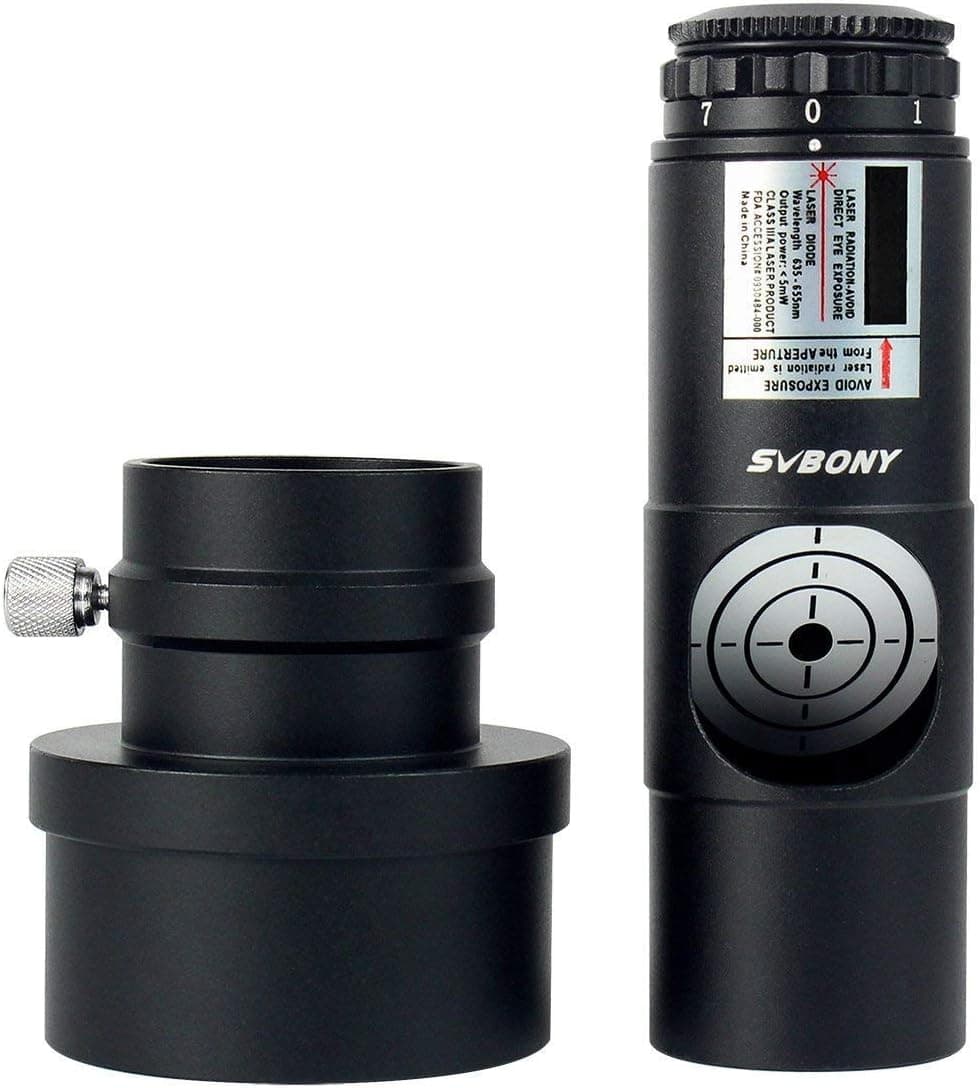
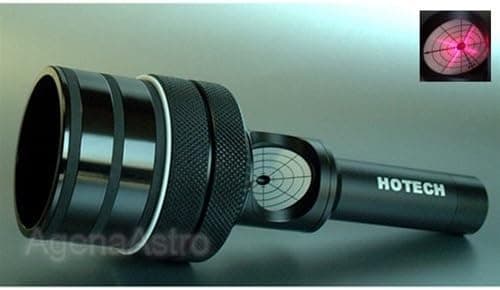
Perform a star test by slightly defocusing a bright star. The rings should look concentric. If they are off-centre, collimate using a collimation cap, laser collimator or Cheshire eyepiece.
Use sensible magnification
High magnification enlarges atmospheric turbulence and any optical imperfections. Many observers find the best planetary views at moderate powers on typical nights.
A useful rule is that maximum practical magnification is about 50x per inch of aperture under excellent seeing, but average nights support much less. Drop to lower power if the image looks soft or dim.
Products from this article
The highest-scoring picks from the buying guides mentioned above. Scores are our editorial assessment, not customer ratings.
+ Self-centering adapter design reduces errors caused by loose focuser fit
From our guide: Best Collimators for Razor-Sharp Optics (2026)
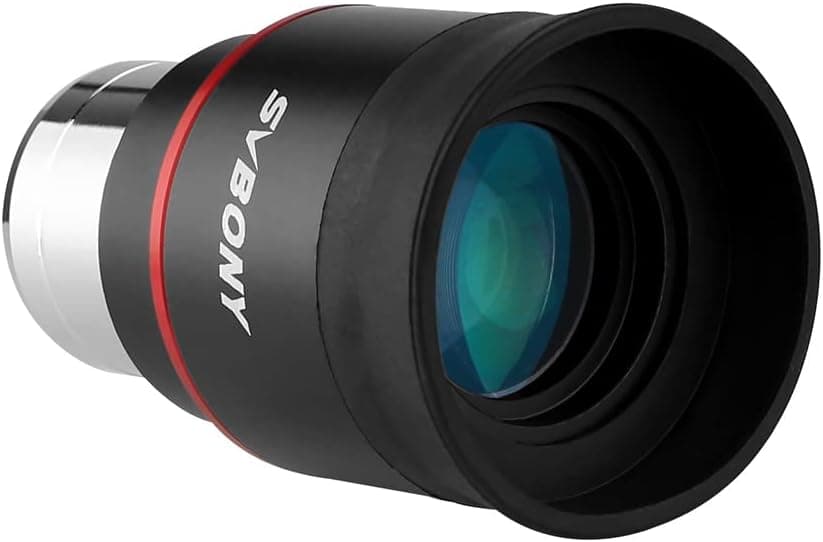
+ 50 degree field is wider than classic Plossls for more immersive views
From our guide: Best Plossl Eyepieces for Sharp, Value Views (2026)
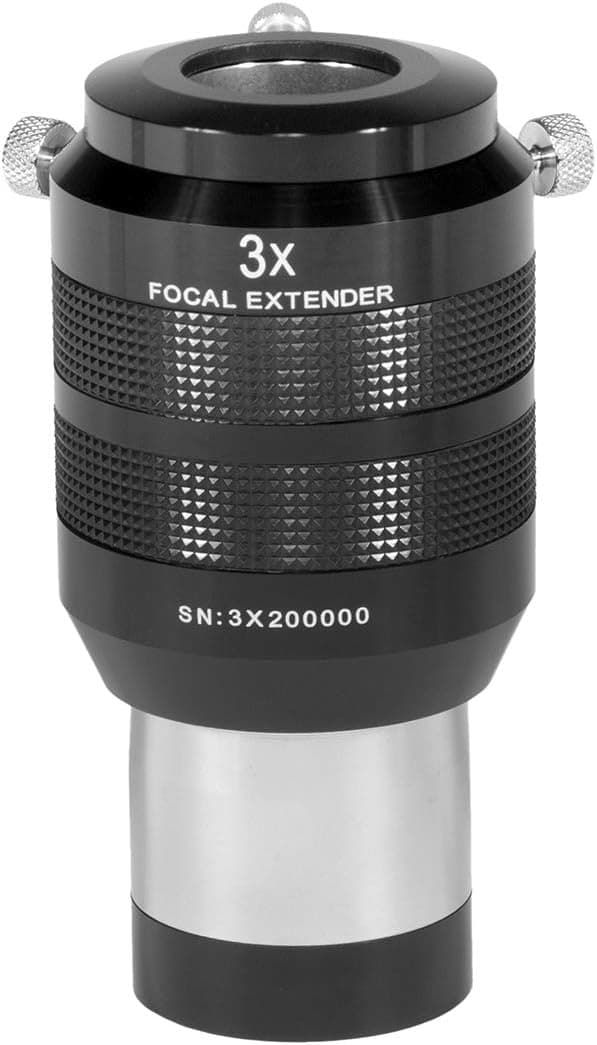
+ 2 inch format accepts large eyepieces and bigger camera sensors
From our guide: Best Barlow Lenses to Boost Your Magnification (2026)
+ 7 bright levels help match laser brightness to your viewing conditions
From our guide: Best Collimators for Razor-Sharp Optics (2026)
Popular right now
- Best Intervalometers for Automated Astro Shots (2026)Buying guide
- Best Maksutov Telescopes for Planets and Moon (2026)Buying guide
- Best Compact Binoculars for Grab-and-Go Nights (2026)Buying guide
- Best GoTo Mounts for Automated Object Finding (2026)Buying guide
- Best Refractor Telescopes for Sharp Views (2026)Buying guide
- Telescope Maintenance and CareArticle
Based on the last 28 days of search and visitor data.