Telescopes
Telescopes vary by optical design, aperture and mount, and those choices decide what you can see. Refractors, reflectors, Dobsonians, Maksutovs and smart telescopes suit different skies, budgets and goals.
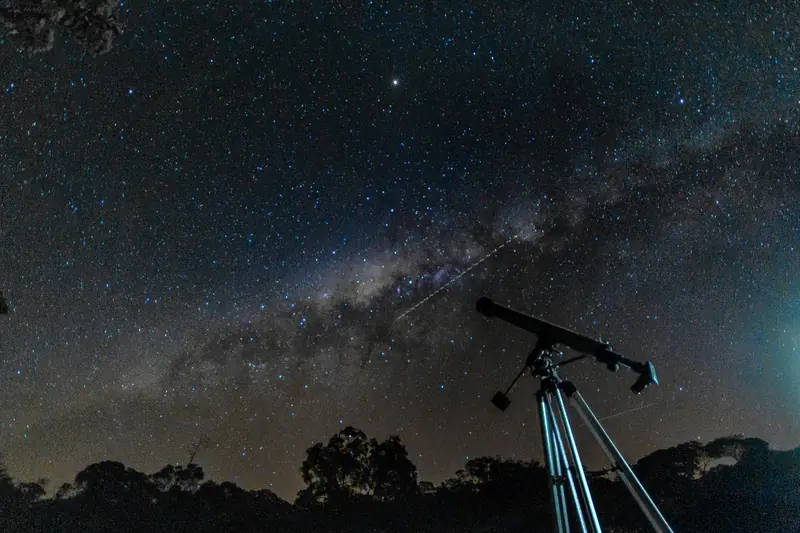
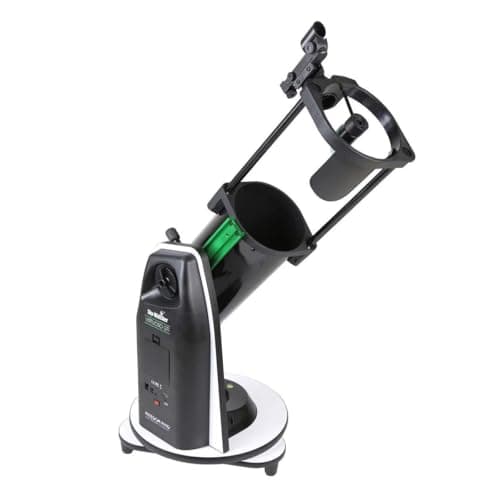
Best Tabletop Telescopes for Grab-and-Go Views (2026)
Compares tabletop Dobsonian telescopes by aperture, weight, and base design for quick sessions. For beginners and small-space observers wanting simplicity.
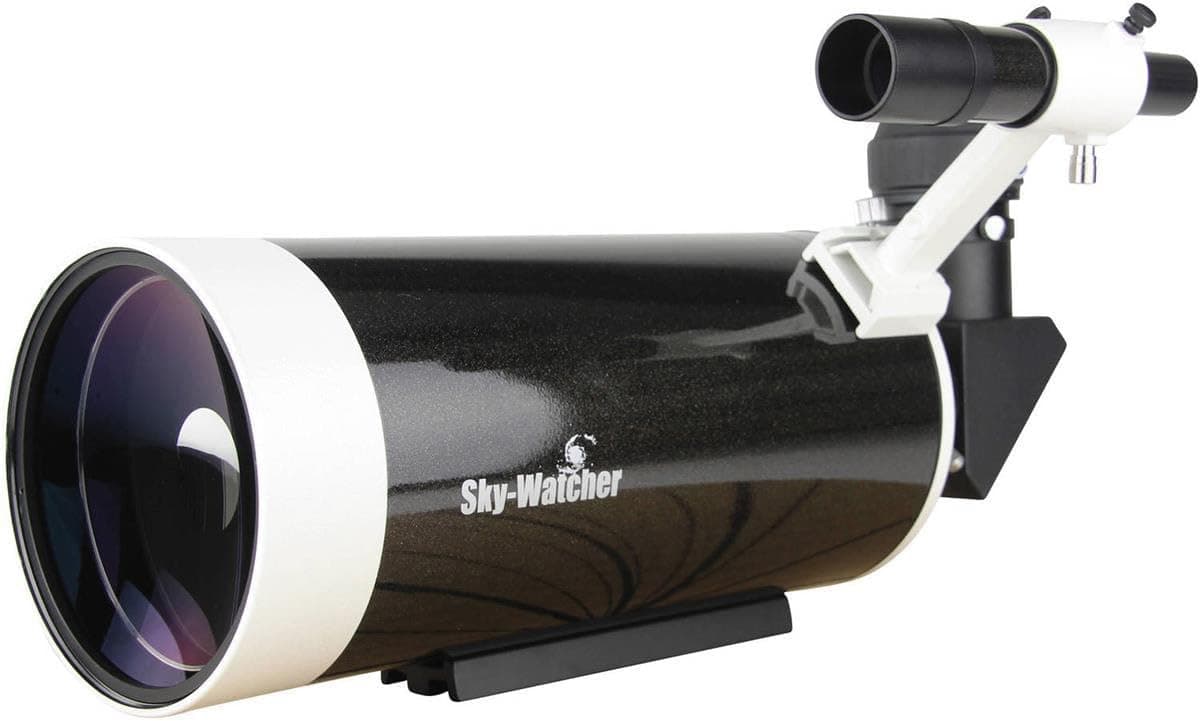
Best Maksutov Telescopes for Planets and Moon (2026)
Compares Maksutov-Cassegrain telescopes by aperture, focal length, and portability for planetary detail. For observers who value sharp, high-contrast views.

Best Refractor Telescopes for Sharp Views (2026)
Compares refractor telescopes by aperture, focal ratio, and glass type for planetary, lunar, and double-star viewing. For beginners and detail-focused observers.
Best Reflector Telescopes for Deep-Sky (2026)
Compares Newtonian reflectors by aperture, focal ratio, and mount for galaxies, nebulae, and star clusters. For value-focused beginners and intermediate observers.
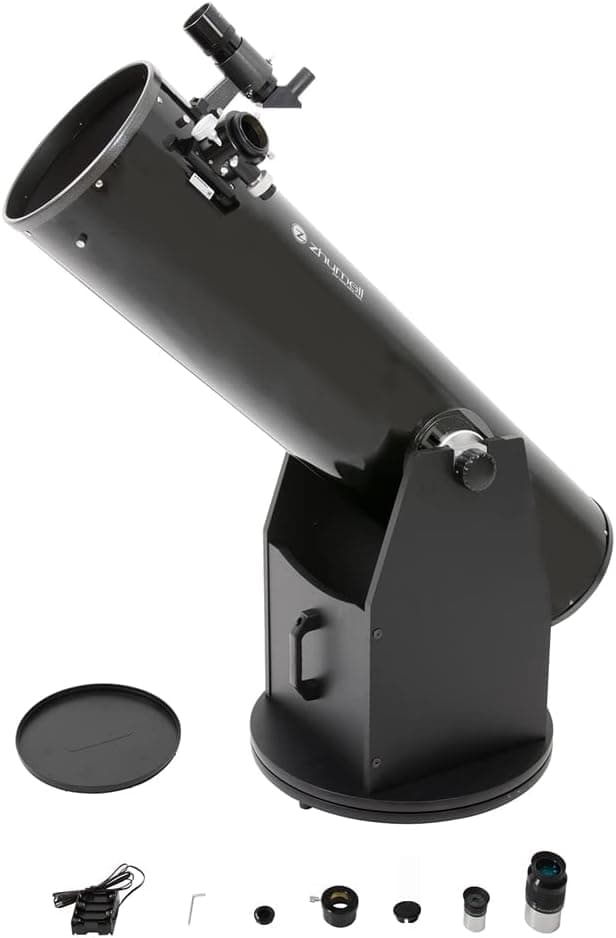
Best Dobsonian Telescopes for Deep-Sky Views (2026)
Compares Dobsonian telescopes by aperture, focal length, and base design for galaxies and nebulae. For beginners and aperture-hungry visual observers.

Best Computerized Telescopes for Easy Finding (2026)
Compares GoTo computerized telescopes by database size, alignment ease, and optics for guided observing. For beginners who want fast object location.
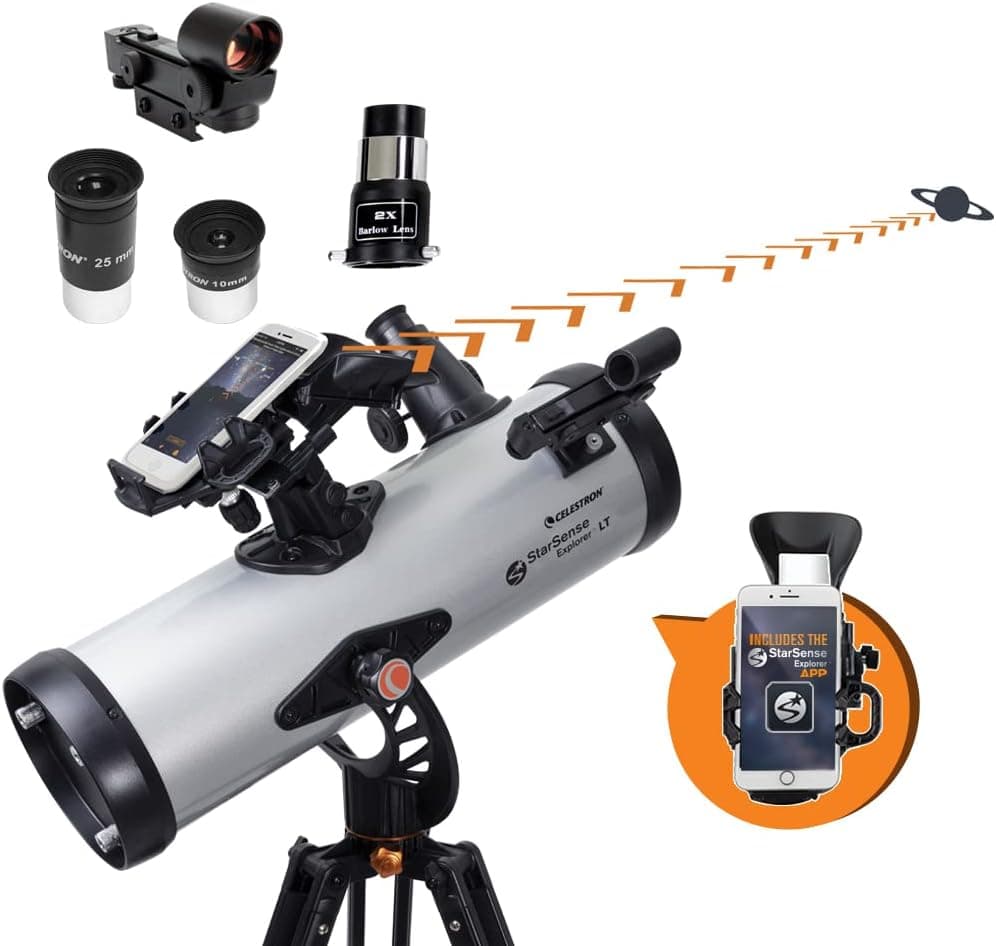
Best Beginner Telescopes for a Great First Night (2026)
Compares beginner telescopes by aperture, mount stability, and ease of use for first-time stargazers. For newcomers wanting clear views without frustration.
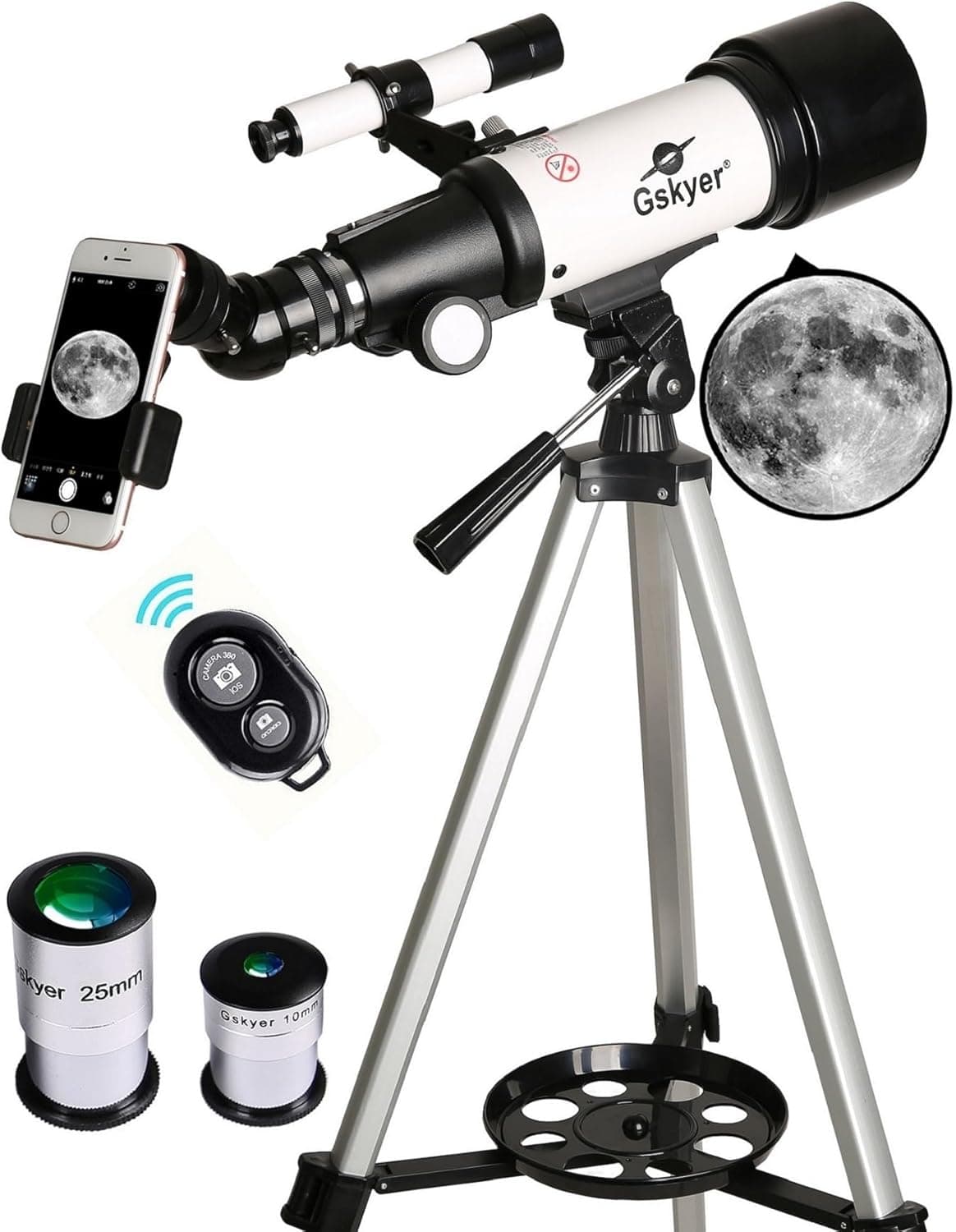
Best Kids Telescopes for Young Stargazers (2026)
Compares kids telescopes by durability, ease of aiming, and safe optics for young observers. For parents seeking a sturdy, simple first scope.

Best Travel Telescopes for Portable Stargazing (2026)
Compares travel telescopes by weight, packed size, and setup speed for observing on the move. For campers, backpackers, and dark-sky trip planners.
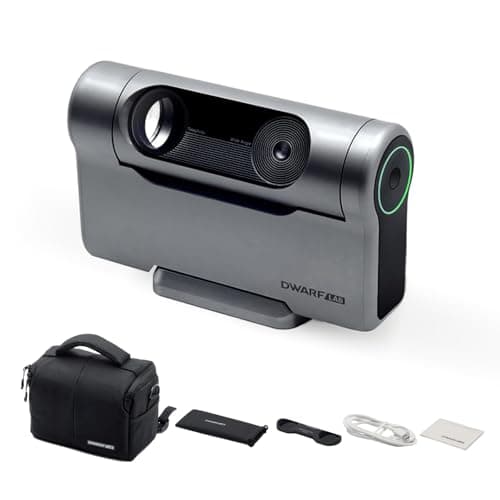
Best Smart Telescopes for Instant Astrophotography (2026)
Compares smart telescopes by sensor, aperture, and app features for app-based imaging. For beginners wanting deep-sky photos without manual setup.

Best Apochromatic Telescopes for True-Color Views (2026)
Compares apochromatic refractors by glass type, aperture, and focuser for imaging and premium visual use. For astrophotographers and demanding observers.

Best Solar Telescopes for Safe Sun Viewing (2026)
Compares dedicated solar telescopes by wavelength, bandwidth, and aperture for prominences and surface detail. For daytime observers and eclipse chasers.
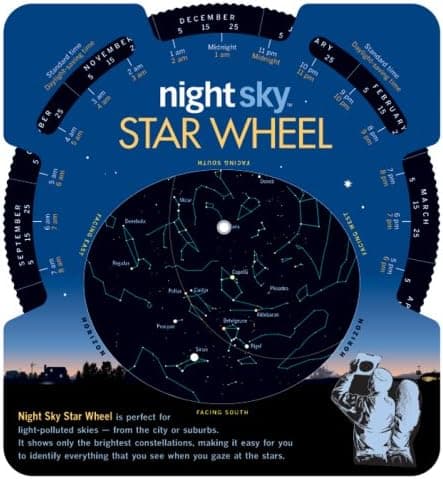
Best Planispheres
Planisphere star wheels compared on latitude band accuracy for your location, large versus small formats, horizon ring readability, and what they cannot show.
How to choose
- Prioritise aperture for faint galaxies and nebulae.
- Choose a portable scope you will actually carry outside.
- Consider GoTo or smart telescopes if finding objects frustrates you.
- Match the design to your targets, planets or deep sky.
Common questions
What telescope is best for beginners?
A 6 or 8 inch Dobsonian gives the most aperture for the money and is simple to use. Smaller tabletop Dobsonians suit limited space.
Can I see planets with a small telescope?
Yes. Even a 70-90 mm telescope shows Saturn's rings, Jupiter's moons and cloud bands, and craters on the Moon.