How to Enjoy Winter Stargazing
Published How we research
Winter offers some of the longest nights and brightest stars of the year. Orion, the Pleiades, bright winter clusters and nebulae are well placed in the Northern Hemisphere evening sky, and darkness arrives early. Cold temperatures, however, test both observers and equipment. Preparing for the cold makes winter sessions comfortable and productive.
Dress for standing still
Stargazing involves little movement, so you get cold faster than on a winter walk. Wear thermal base layers, insulated mid layers, a windproof outer jacket and insulated boots with thick socks.
A warm hat, neck gaiter and gloves are essential. Thin liner gloves under warmer mittens let you adjust eyepieces without exposing bare skin to cold metal.
Keep batteries and electronics working
Cold weather reduces battery capacity in GoTo mounts, cameras, phones and red flashlights. Carry spare batteries in an inside pocket and use a power tank with sufficient capacity for long sessions.
Condensation can form on electronics when bringing them indoors. Let gear warm up gradually in closed cases to reduce moisture.
Handle telescopes safely
Metal tubes and mounts become very cold. Avoid touching metal with bare skin, and add foam grips or tape to frequently touched parts.
Grease in mounts can stiffen, making movements rough. Cool telescopes outdoors before observing, and use dew shields and heaters, since frost can form on optics.
Plan winter targets
Winter evenings in the Northern Hemisphere feature the Orion Nebula, the Pleiades, the Double Cluster, bright star clusters in Auriga and colourful stars such as Betelgeuse and Rigel. Binoculars show many of these beautifully.
Planets visible in winter vary from year to year. Check an astronomy app or sky chart for current planetary positions and moon phases before heading out.
Stay safe
Observe with a friend, tell someone where you are going and check weather forecasts for wind chill and road conditions. Icy observing sites and dark paths increase trip risks.
Bring a thermos of warm drink, hand warmers and a red flashlight. Take breaks to warm up in the car or indoors if you begin shivering or lose dexterity.
Make short sessions count
On bitterly cold nights, plan a short list of three to five targets before going outside rather than wandering the sky. Setting up in a sheltered spot out of the wind, such as beside a wall or hedge, keeps you noticeably warmer and steadies the telescope.
A grab-and-go setup, such as a small refractor on a simple altazimuth mount or a pair of binoculars on a tripod, takes minutes to set up and pack away. It lets you catch clear winter skies on weeknights without committing to a long, cold session.
Products from this article
The highest-scoring picks from the buying guides mentioned above. Scores are our editorial assessment, not customer ratings.
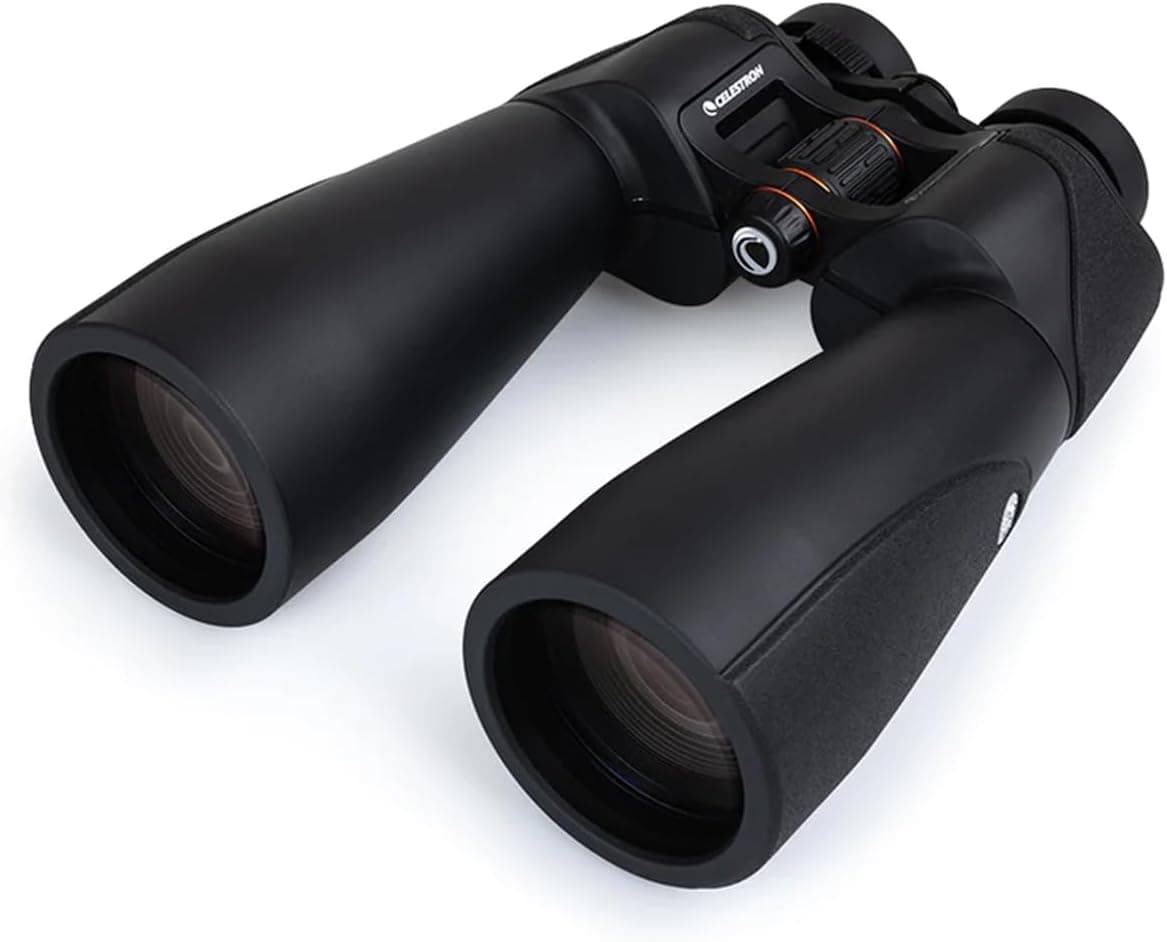
+ ED glass reduces color fringing around the Moon and bright stars
From our guide: Best Astronomy Binoculars for Wide Starfields (2026)
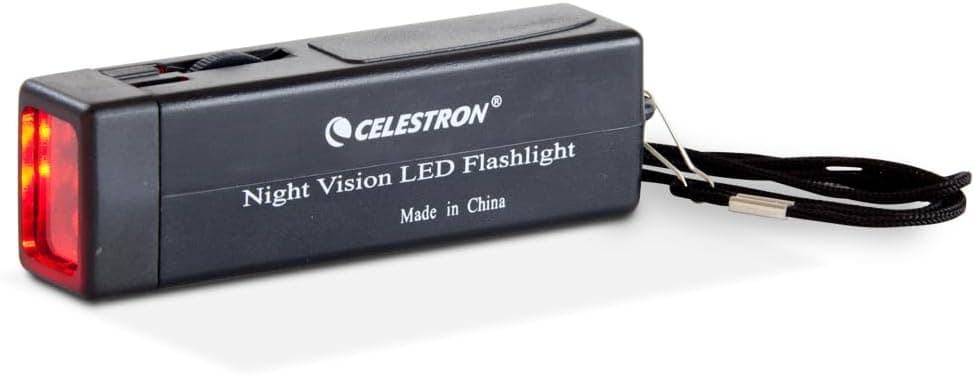
+ Variable red illumination lets you dim light to protect dark adaptation
From our guide: Best Red Flashlights to Protect Night Vision (2026)
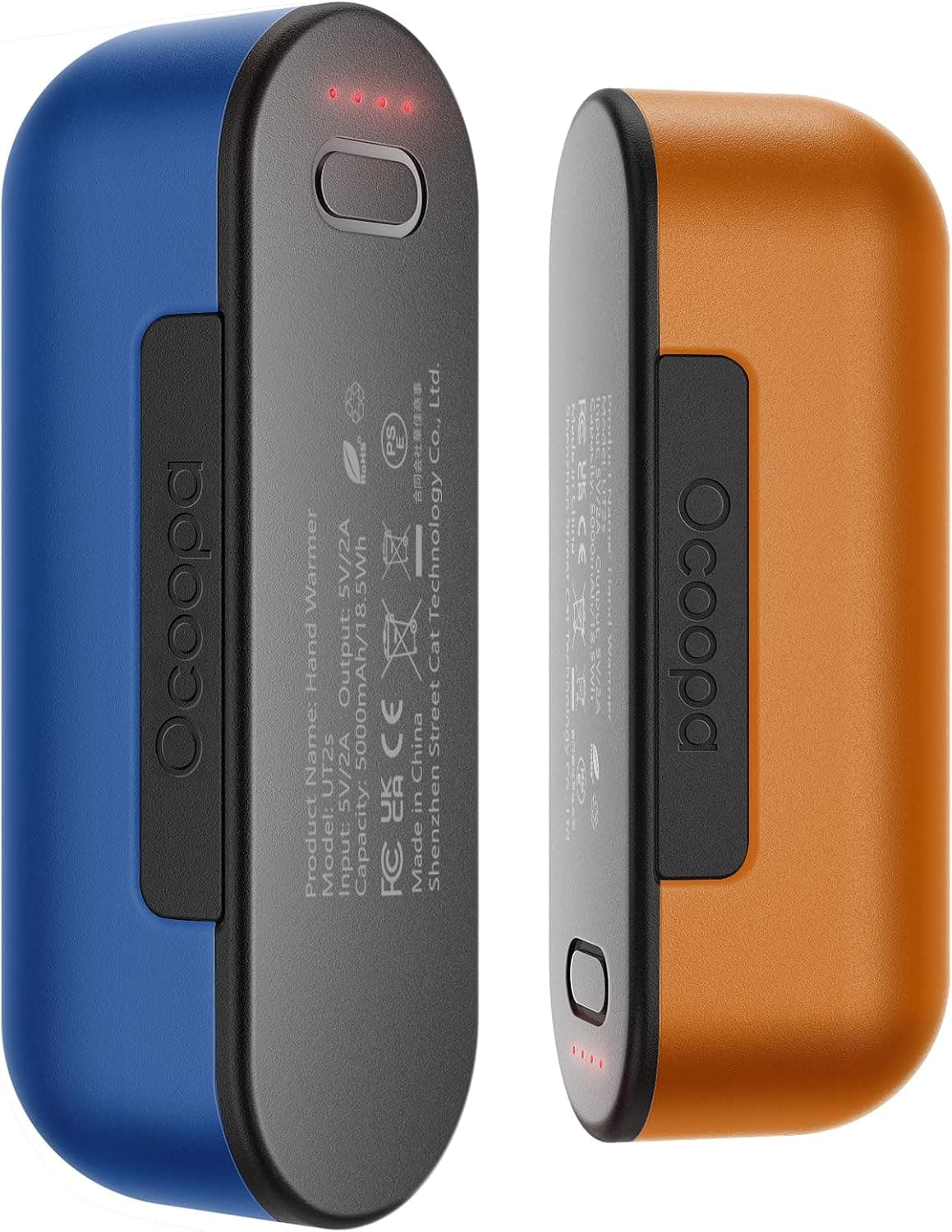
+ 2 Pack magnetic halves let you warm both hands or share with a friend
From our guide: Best Hand Warmers for Cold Observing Nights (2026)
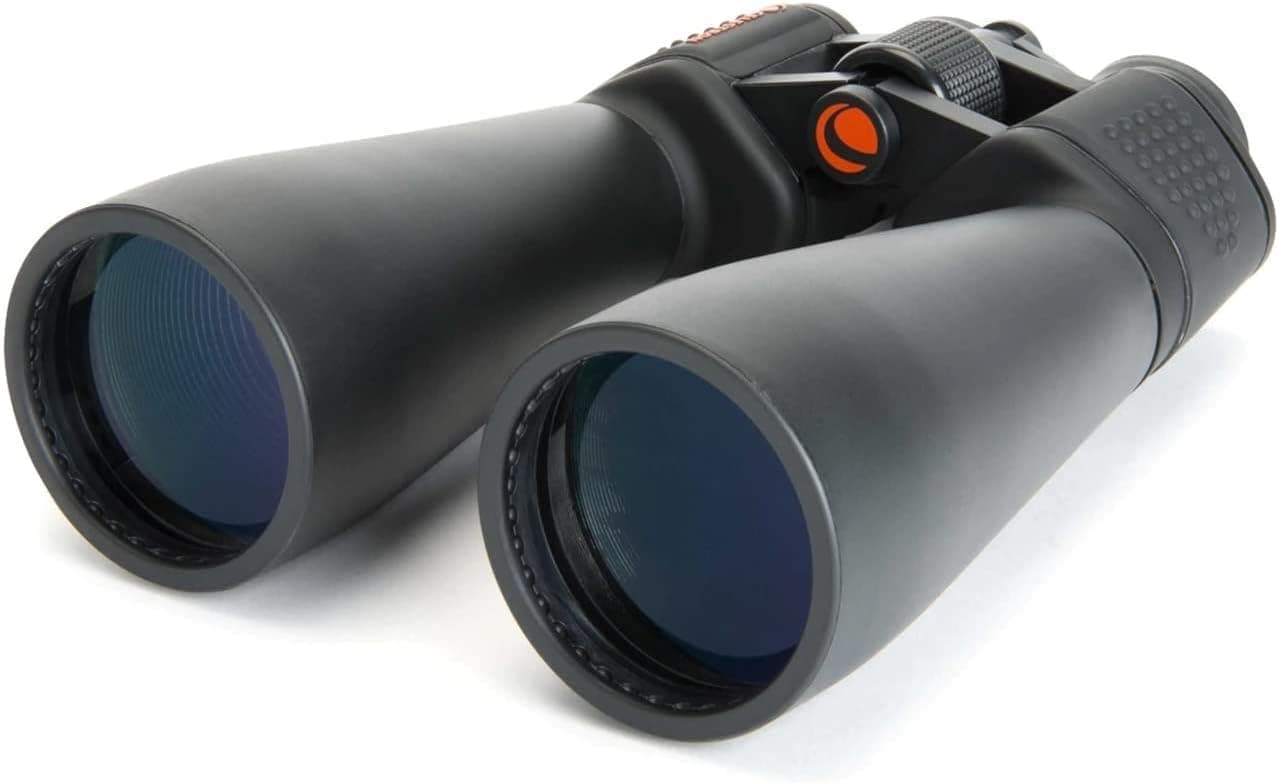
+ 70mm objectives gather lots of light for star clusters and the Milky Way
From our guide: Best Astronomy Binoculars for Wide Starfields (2026)
Popular right now
- Best Intervalometers for Automated Astro Shots (2026)Buying guide
- Best Maksutov Telescopes for Planets and Moon (2026)Buying guide
- Best Compact Binoculars for Grab-and-Go Nights (2026)Buying guide
- Best GoTo Mounts for Automated Object Finding (2026)Buying guide
- Best Refractor Telescopes for Sharp Views (2026)Buying guide
- Telescope Maintenance and CareArticle
Based on the last 28 days of search and visitor data.