How to Choose Binoculars: Size, Power, Prisms and Fit
Published How we research
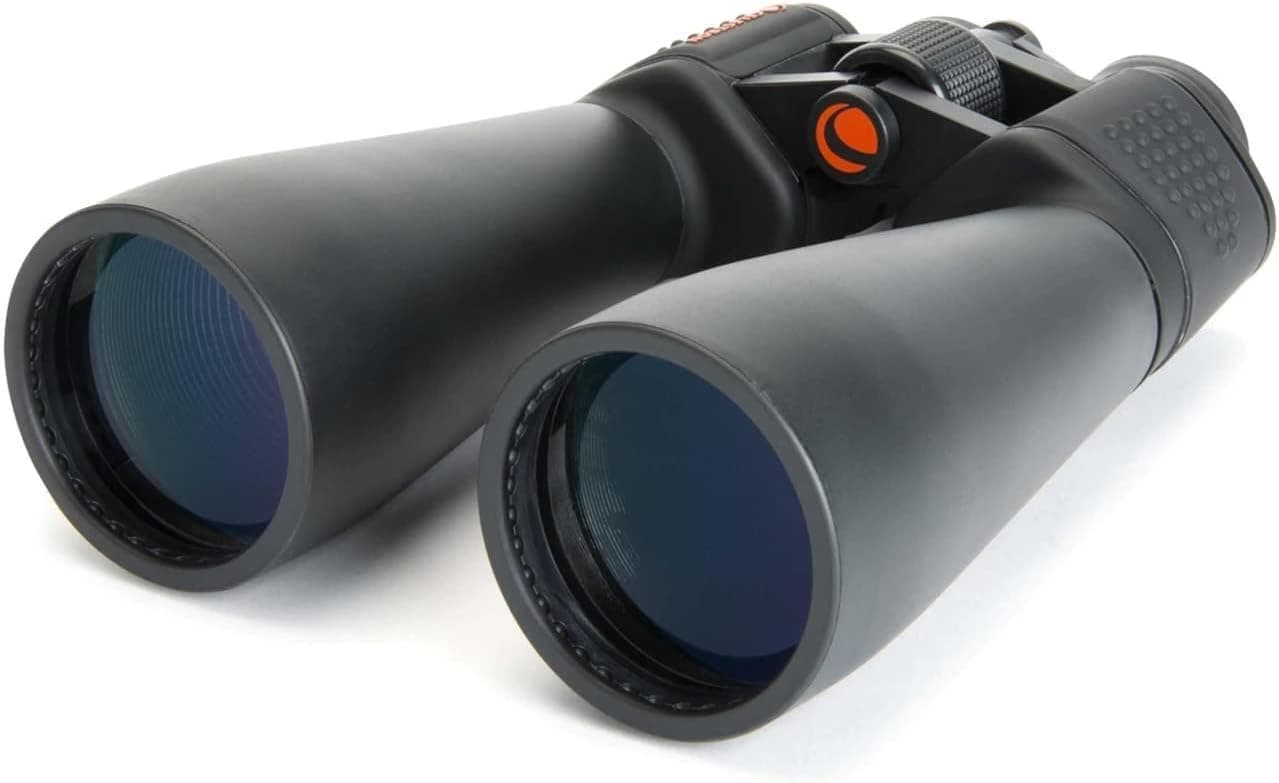
To choose binoculars, start with the two numbers on the barrel, such as 8x42 or 10x50: the first is magnification, the second is the front lens diameter in millimeters. Pick the pair that matches how you will use it, then check weight, eye relief and prism type, because those decide whether you will actually carry and enjoy them. This guide walks through each choice in the order that matters.
Products from this article
The highest-scoring picks from the buying guides this article links to. Scores are our editorial assessment, not customer ratings.
+ ED glass reduces color fringing around the Moon and bright stars
From our guide: Best Astronomy Binoculars for Wide Starfields (2026)
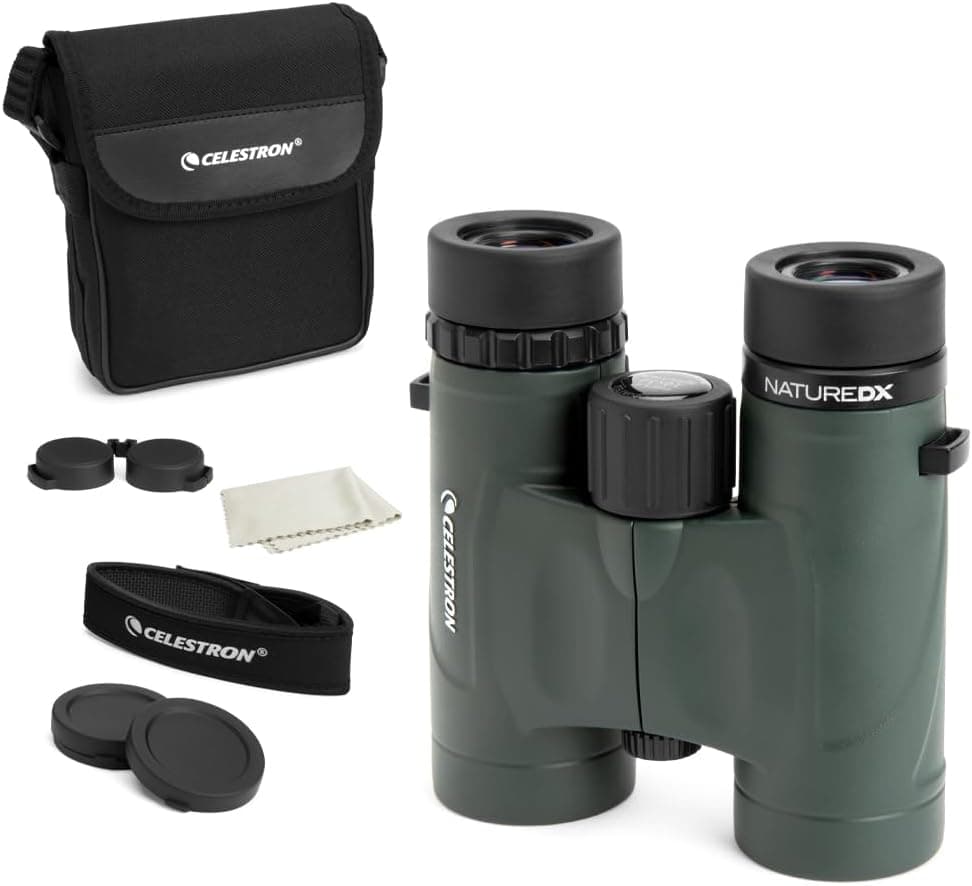
+ 32mm objectives are much brighter than pocket compacts for dusk viewing
From our guide: Best Compact Binoculars for Grab-and-Go Nights (2026)
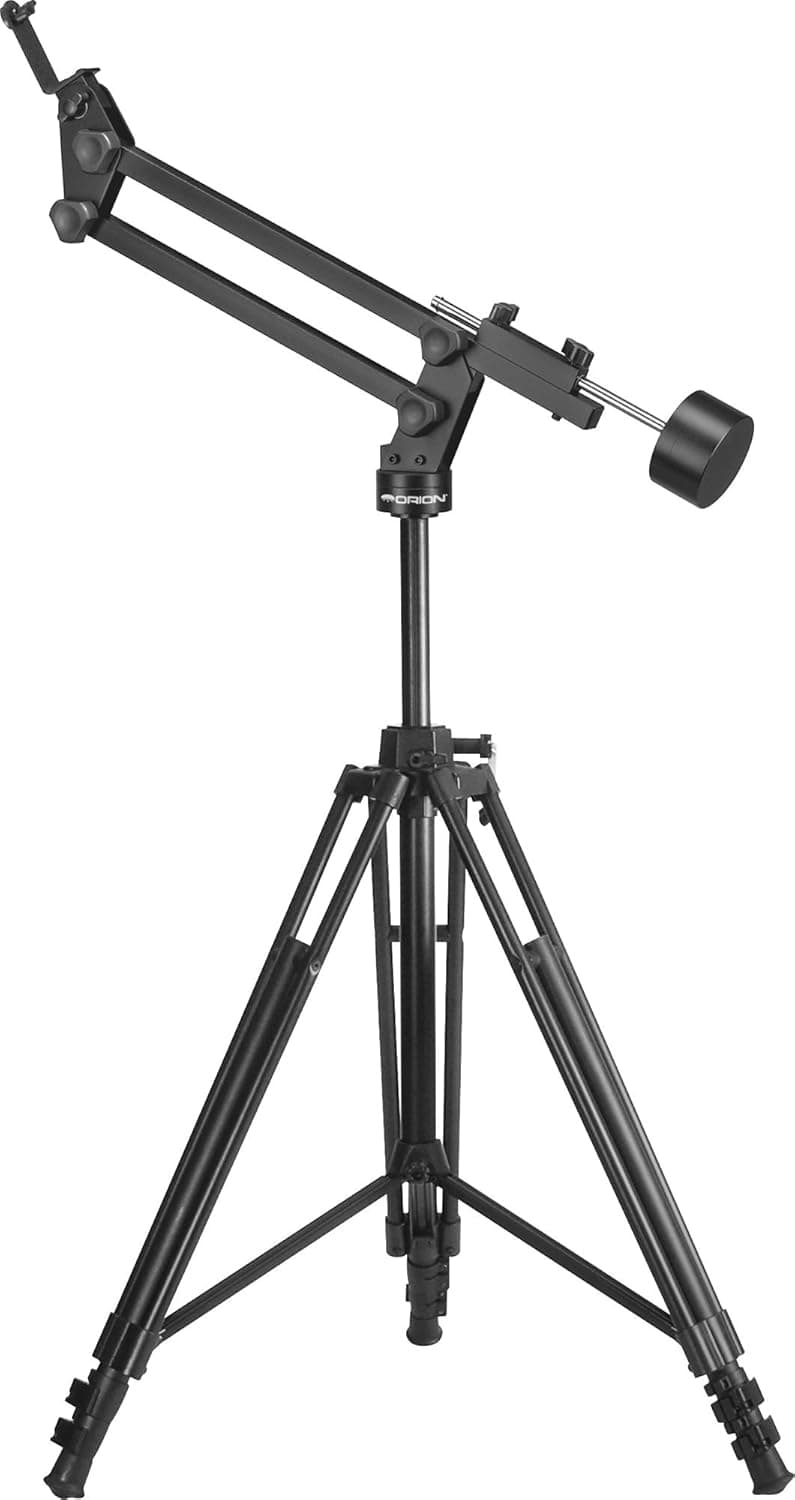
+ Parallelogram-style Paragon-Plus mount keeps binoculars on target as you change height
From our guide: Best Binocular Tripods for Shake-Free Stargazing (2026)
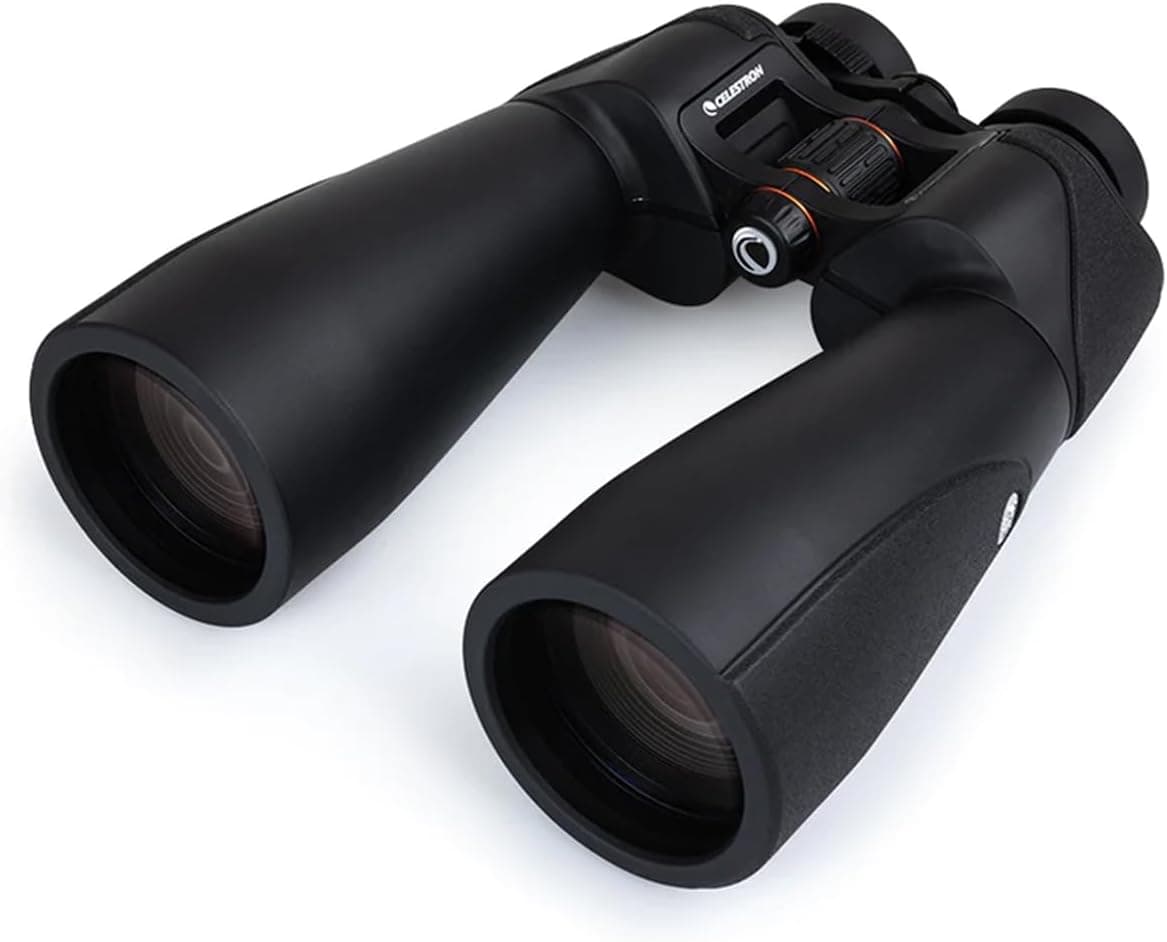
+ 70mm objectives gather lots of light for star clusters and the Milky Way
From our guide: Best Astronomy Binoculars for Wide Starfields (2026)
Read the two numbers: 8x42, 10x50, 15x70
The first number is magnification. An 8x pair makes an object look eight times closer than your naked eye sees it. The second number is the diameter of each front lens (the objective) in millimeters. A larger objective gathers more light, which gives brighter images in dim conditions, but it also adds size and weight.
Divide the objective by the magnification and you get the exit pupil, the width of the light beam leaving the eyepiece. 8x42 gives 5.25 mm, 10x50 gives 5 mm, and 7x50 gives about 7.1 mm. Typical adult pupils open to roughly 5 to 7 mm in the dark, so an exit pupil in that range lets your eye use nearly all the light the binoculars collect. In bright daylight your pupil is only 2 to 3 mm, so a smaller exit pupil costs you nothing by day.
Pick a magnification you can hold steady
Most people hold 7x to 10x steadily by hand. At 8x, hand tremor is small and the image stays calm. At 10x it is noticeable but manageable for many people. At 12x and above, shake becomes obvious, and above about 15x you need a tripod or a solid support to see detail rather than a wobbling circle.
Higher power also shrinks the field of view and the exit pupil, and it makes focusing and finding targets harder. For general use and for a first pair, 8x or 10x is the safe choice. Choose 12x or more only if you know you will brace the binoculars or mount them.
If you want a heavy pair on a tripod, a dedicated mount makes all the difference and the pair needs an L-bracket or tripod adapter socket. See our guide to binocular tripods for options that hold large glass steady.
Choose the objective size for your light and your arms
Binoculars with 25 to 32 mm objectives are compact and light, easy to carry on a hike or a trip, and fine in good daylight. They struggle at dusk because they gather less light and have a small exit pupil. The 40 to 42 mm class is the usual all-rounder for birding, nature and general use, bright enough at dawn and dusk without being heavy.
The 50 mm class and above is where stargazing starts to make sense. A 10x50 pair shows the Moon in detail, the Pleiades, the Orion Nebula and star fields in the Milky Way. Giant models such as 20x80 or 25x100 reach fainter objects but weigh several pounds and need a mount. Compare sizes in our guides to astronomy binoculars, compact binoculars and giant binoculars.
A simple rule: choose the largest objective you will happily carry. A pair that stays in the closet because it is heavy shows you nothing.
Check eye relief, field of view and prism type
Eye relief is the distance from the eyepiece lens at which your eye still sees the full image. If you wear glasses, look for about 15 mm or more and twist-up or fold-down eyecups, so you can see the whole field with your glasses on. If you do not wear glasses, eye relief matters less, but comfortable eyecups still help block stray light.
Field of view is how wide a patch of scene you see, often listed in feet at 1,000 yards or in degrees. A wider field makes tracking moving birds or sweeping star fields easier. It usually falls as magnification rises, so compare pairs at the same power.
Roof prism binoculars have a straight body and are slimmer and more compact. Porro prism binoculars have the offset body shape and often give more depth and brightness for the money at larger sizes, but they are bulkier. Both can be excellent. Look for BaK4 prisms and fully multi-coated lenses, which are the standard markers of a decent pair; the listing should state them rather than just say coated optics.
Match the binoculars to the job
For stargazing, 10x50 is the classic starting point, with 7x50 offering a wider, more relaxed view and 15x70 stepping up for deep-sky objects, usually with a tripod. For birding and wildlife, 8x42 is the standard choice: a wide field, a bright image and manageable weight. For travel and sports, 8x25 or 10x25 compacts fit in a coat pocket.
On a boat the conditions differ: look for waterproof, fog-proof construction and moderate power, since the deck moves. Our marine binoculars guide covers those. If hand shake limits you at higher power, image stabilized binoculars steady the view electronically or optically, at a higher price and weight.
If you also want to compare binoculars with a telescope, read binoculars vs telescopes for beginners. Many observers keep both: binoculars for quick looks and wide sweeps, a telescope for detail.
Budget, accessories and what to skip
Spend on optical quality before extras. Clear lenses, sharp focus to the edge of the field and sturdy focusing wheels matter more than a pile of included accessories. A neck strap is standard; a harness spreads the weight across your shoulders, which makes a pair of 50 mm or larger binoculars far more comfortable on long sessions. See our binocular harnesses guide.
Be wary of listings that promise very high power with a small objective, such as 30x on a 25 mm lens. The exit pupil is tiny, the image is dim, and the field is narrow. Zoom binoculars often trade image quality for flexibility, so a fixed-power pair at the same price usually performs better.
Check the listing for the specifics: magnification, objective size, prism type, coating description, weight, eye relief and whether it is waterproof. If a listing leaves most of these out, pick one that states them.
Frequently asked questions
What is the best all-round binocular size? 8x42 is the most common answer for general use and birding, and 10x50 for casual stargazing. Both balance brightness, steadiness and weight.
Is higher magnification better? No. Higher power narrows the field, amplifies hand shake and shrinks the exit pupil. Most people see more with a steady 8x or 10x than with a shaky 15x.
Do I need a tripod? For 8x and 10x pairs, no, though bracing against a wall or a chair back helps. For 12x and above, and for any giant binoculars, a tripod or mount is strongly advised.
Can I use the same binoculars for birds and stars? Yes, a 10x50 or 8x42 pair does both reasonably well. A dedicated astronomy pair with a larger objective will show more at night, but it is heavier by day.
Popular right now
- Best Intervalometers for Automated Astro Shots (2026)Buying guide
- Best Finder Scopes to Locate Targets Fast (2026)Buying guide
- Telescope Aperture and Magnification ChartArticle
- Best Star Diagonals for Comfortable Viewing (2026)Buying guide
- Best Red Flashlights to Protect Night Vision (2026)Buying guide
- Equatorial mount explainedGlossary
Based on the last 28 days of search and visitor data.