Astrophotography
Astrophotography gear captures what your eyes cannot. Cameras, trackers, intervalometers and optical correctors allow detailed images of the Moon, planets and deep sky.
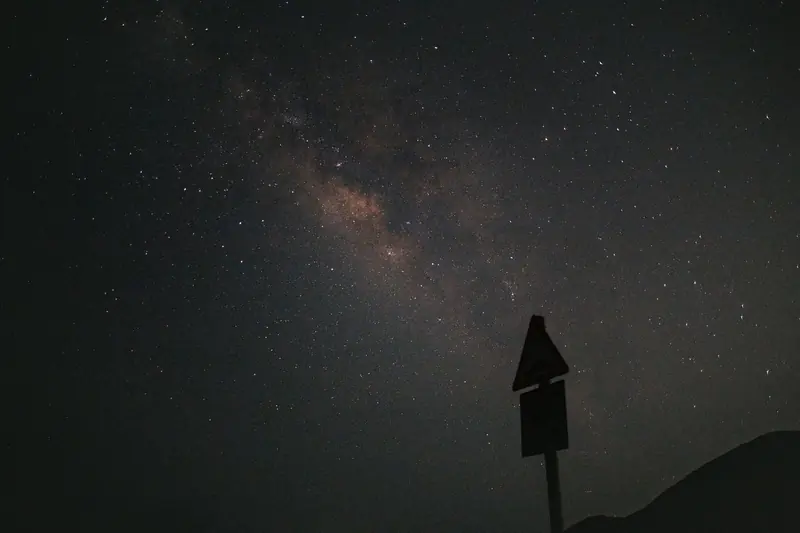

Best Camera T-Rings for a Secure Scope Connection (2026)
Compare T-rings by camera mount, thread quality, and build so your DSLR or mirrorless body couples firmly to telescope adapters.

Best Astro Cameras for Deep-Sky and Planets (2026)
A guide comparing dedicated astronomy cameras by sensor size, pixel scale, and cooling for planetary and deep-sky imaging.
Best DSLR T-Adapters for Prime-Focus Imaging (2026)
Compare T-adapters and prime-focus tubes that connect a DSLR to your telescope so the scope becomes the camera lens.

Best Autoguiders for Pinpoint Long Exposures (2026)
A guide comparing guide cameras and scopes that correct mount tracking errors for round stars in long-exposure astrophotography.

Best Field Flatteners for Edge-to-Edge Stars (2026)
Compare field flatteners and reducer-flatteners that correct curvature so stars stay sharp across the whole camera frame.

Best Coma Correctors for Sharp Newtonian Views (2026)
A guide comparing coma correctors that fix the flared edge stars of fast Newtonian reflectors for visual and imaging use.

Best Intervalometers for Automated Astro Shots (2026)
The best intervalometers for astrophotography, star trails and night-sky time-lapses: wired and wireless remotes compared on bulb exposure, intervals, frame count and camera compatibility.
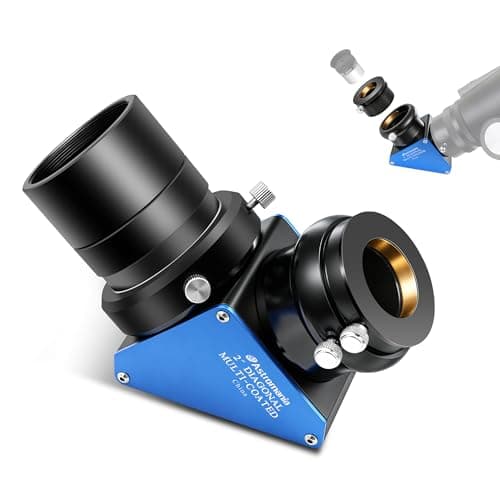
Best Star Diagonals for Comfortable Viewing (2026)
Compare mirror and prism star diagonals by reflectivity, barrel size, and image orientation for refractors and catadioptric scopes.
How to choose
- Start with a camera, wide lens and sturdy tripod.
- Add a star tracker for longer exposures.
- Use an intervalometer for sequences and star trails.
- Consider dedicated astro cameras for deep-sky imaging.
Common questions
Can I do astrophotography with a DSLR or mirrorless camera?
Yes. With a wide, fast lens on a tripod you can capture the Milky Way, and a tracker extends exposure times.
Do I need a tracking mount for astrophotography?
For long exposures of faint objects, yes. Wide-angle Milky Way shots can be taken on a tripod with short exposures.