Observing Gear
Observing comfort keeps sessions going longer. Red flashlights, warm clothing, charts, cases and a chair make cold nights more enjoyable.
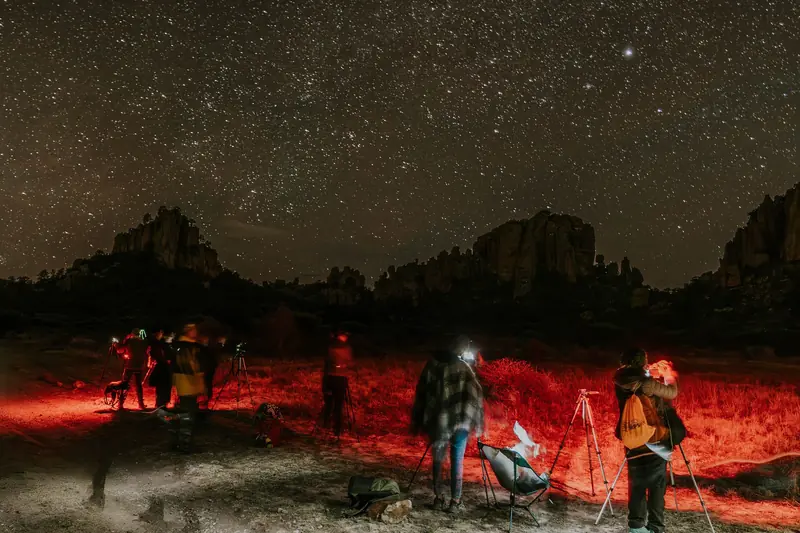
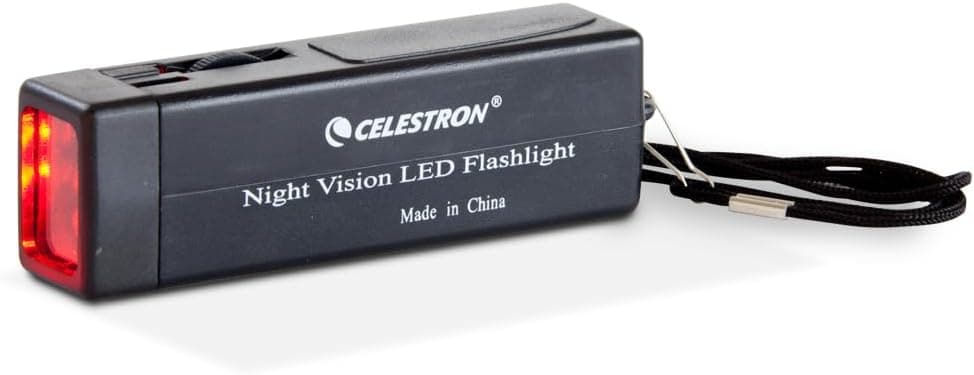
Best Red Flashlights to Protect Night Vision (2026)
A guide comparing red astronomy flashlights and headlamps by brightness control, beam type, and battery life for the observing field.
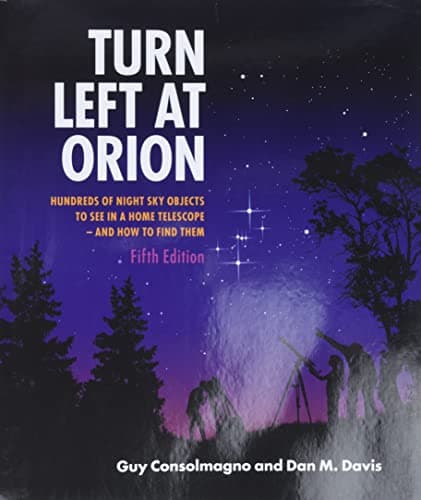
Best Astronomy Books for Beginners and Beyond (2026)
A guide comparing observing guides, reference atlases, and beginner astronomy books to build skills and plan rewarding sessions.
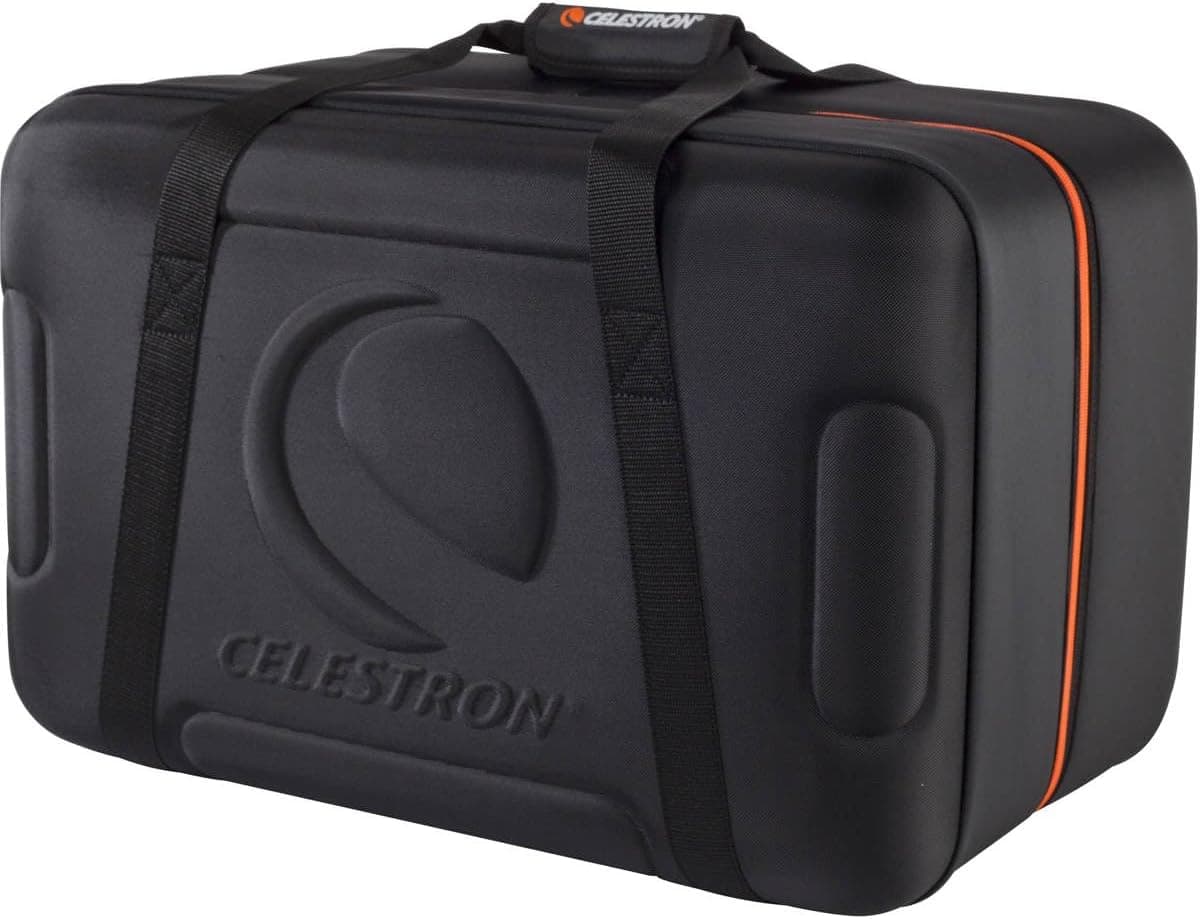
Best Telescope Cases for Safe Transport (2026)
Compare hard cases, padded bags, and foam-lined boxes by fit, protection, and portability to move optics and gear without damage.
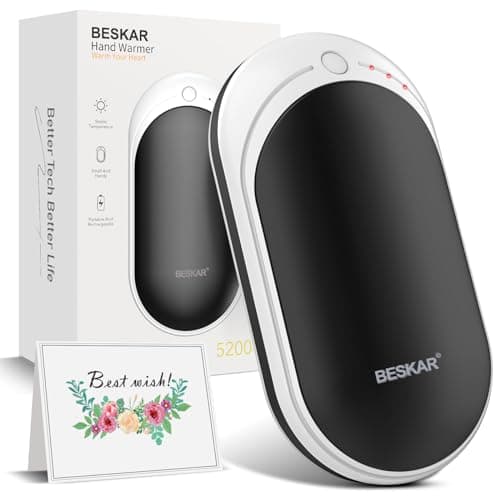
Best Hand Warmers for Cold Observing Nights (2026)
Compare rechargeable and disposable hand warmers by heat duration, size, and reusability to stay out longer on freezing nights.

Best Green Laser Pointers for Sky Tours (2026)
A guide comparing green astronomy laser pointers by output, visibility, and mounting for pointing out stars and aligning finders.

Best Astronomy Observing Chairs
Astronomy observing chairs compared on adjustable seat height range against real eyepiece heights, step versus continuous adjustment, folding bulk and seat comfort.
How to choose
- Use a red flashlight to protect night vision.
- Dress warmer than you expect, including a hat.
- Bring a chair for comfortable viewing at the eyepiece.
- Protect optics in padded cases when travelling.
Common questions
Why use red light when stargazing?
Red light preserves dark adaptation, which takes 20-30 minutes to build and is ruined instantly by white light.
What should I bring for a night of stargazing?
Warm layers, a red flashlight, a star chart or app in night mode, snacks, a chair and your telescope or binoculars.