Telescope Maintenance and Care
Published How we research
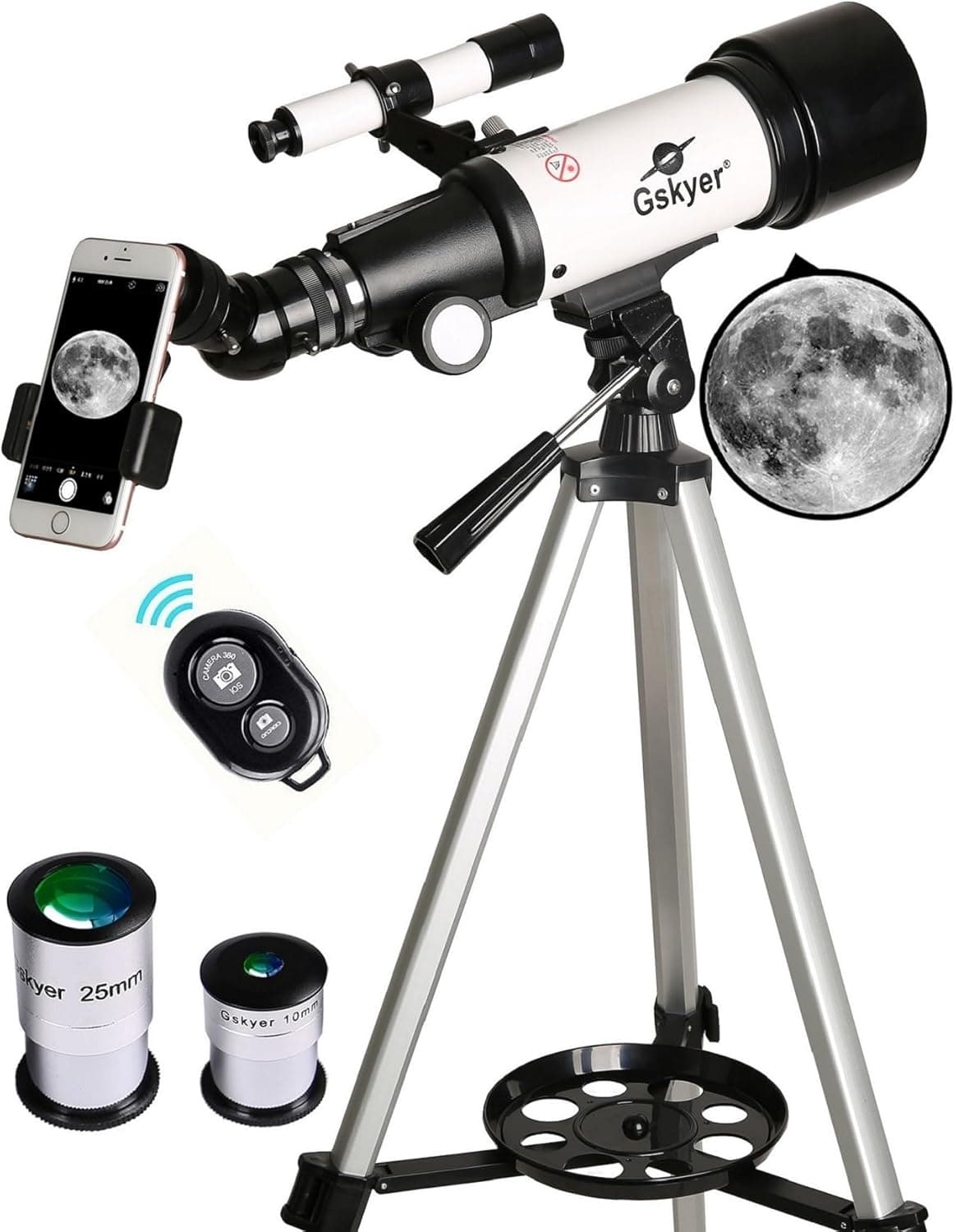
Clean optics as little as possible, since every cleaning risks scratching coatings; blow off loose dust rather than wiping, and use proper lens tissue or microfiber only when genuinely needed. Use a dew shield or heater strip to prevent condensation, and let any dew evaporate before storing, never wipe it off. Store with dust caps on in a dry, stable place, and keep mechanical parts (screws, focusers, mirror collimation) checked occasionally. These modest habits keep a telescope performing for decades. A telescope is a precision instrument, but caring for one is far simpler than many owners fear. With a few sensible habits, your telescope will deliver sharp views for decades. The most common mistakes come from overcleaning and careless storage rather than from neglect, so understanding what to do, and what not to do, protects both your optics and your investment.
Products from this article
The highest-scoring picks from the buying guides this article links to. Scores are our editorial assessment, not customer ratings.
+ Carry bag keeps the scope and parts together for trips and storage
From our guide: Best Kids Telescopes for Young Stargazers (2026)
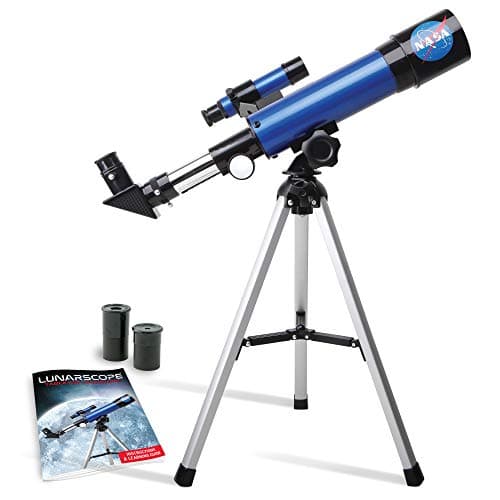
+ Tabletop tripod with a smooth mount makes it simple for a child to scan the Moon's surface
From our guide: Best Kids Telescopes for Young Stargazers (2026)
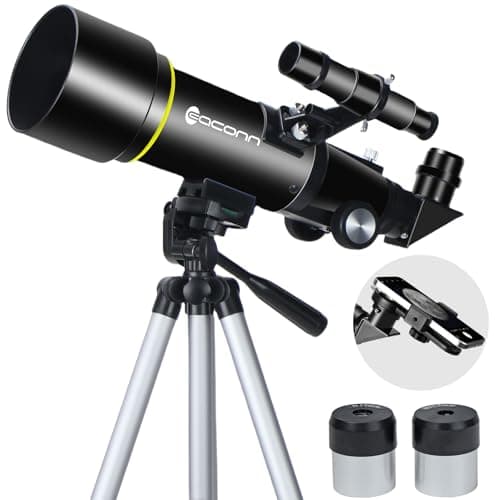
+ 70mm aperture with fully coated glass is bigger than most scopes in this price range
From our guide: Best Kids Telescopes for Young Stargazers (2026)
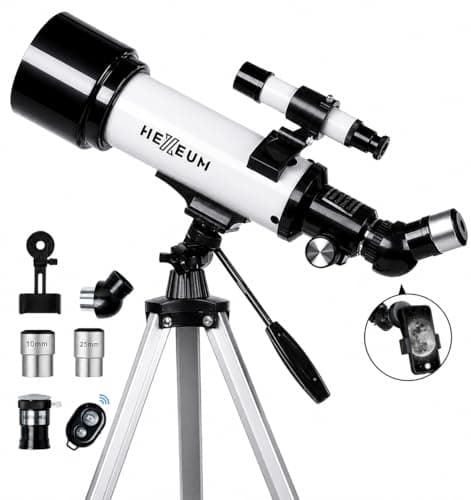
+ 70mm aperture at f/7.1 with a Barlow gives more magnification options than a typical 50mm kids scope
From our guide: Best Kids Telescopes for Young Stargazers (2026)
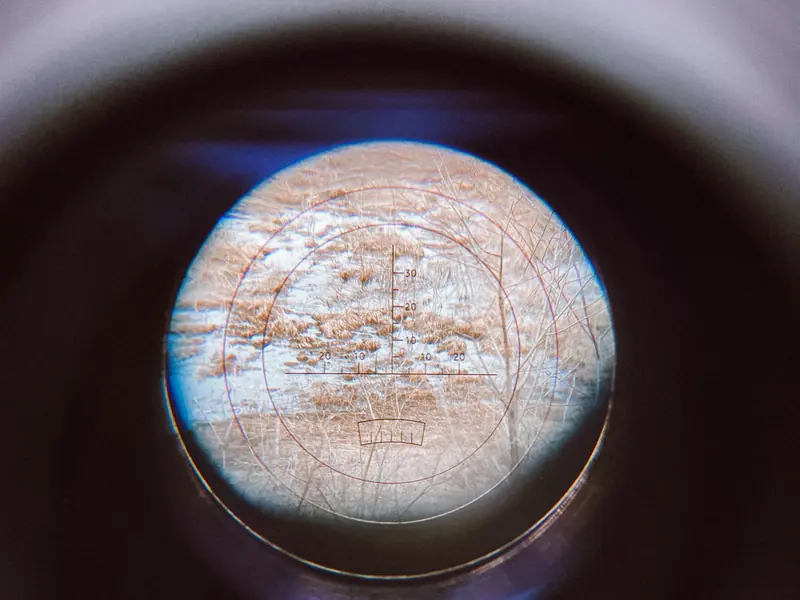
Clean optics as little as possible
The first rule of optics is to clean them as little as possible. Every cleaning risks scratching delicate coatings, so a little dust on a lens or mirror does far less harm than aggressive wiping. A small amount of dust has almost no effect on the view. Only clean when there is genuine, performance-affecting grime, and even then use gentle, proper methods rather than reaching for a household cloth or tissue.
When cleaning is truly needed
When cleaning is truly needed, start by blowing off loose dust with a blower bulb, never by wiping dust across the surface. For a lens, a proper optical cleaning solution and lens tissue or a clean microfiber cloth, used with the lightest touch, will remove smudges. Mirrors are cleaned even more rarely and require careful, well-researched methods since their reflective coating is delicate. When in doubt, leave the optics alone or seek guidance before attempting a mirror cleaning.
Dew: a frequent nuisance with simple fixes
Dew is a frequent nuisance that can end a session early. As surfaces cool below the dew point, moisture condenses on lenses and mirrors, fogging the view. A dew shield, an extension at the front of the tube, delays this by shielding the optics from the open sky. Gentle warmth from a dew heater strip prevents it entirely on humid nights. Never wipe dew off optics; instead, let it evaporate before storing the telescope so moisture does not become trapped.
Storage habits matter as much as cleaning
Storage habits matter as much as cleaning. Always replace dust caps when the telescope is not in use, and store the instrument in a dry place at a stable temperature. Avoid damp basements and unventilated cases where mold or fungus can grow on optical surfaces. If your telescope has been out in humid conditions, let it dry fully before capping and storing it. Keeping eyepieces in a closed case protects them from dust between sessions.
Mechanical parts need occasional attention
Mechanical parts need occasional attention too. Check that screws and fittings are snug but not overtightened, and keep focusers moving smoothly. Reflector owners should learn to collimate, or realign, their mirrors, as this simple adjustment keeps views sharp and is a normal part of ownership. Motorized and GoTo mounts benefit from clean contacts and healthy batteries, and their firmware may need occasional updates.
Modest habits, decades of service
With these modest habits, a telescope asks very little in return for years of service. Resist the urge to overclean, guard against dew and damp, store the instrument properly, and keep the mechanics running smoothly. Treated with this light, sensible care, your telescope will remain a dependable window on the sky, ready whenever a clear night invites you outside.
Frequently asked questions
How often should I clean my telescope's optics? As rarely as possible. A little dust does almost no harm to the view, while every cleaning risks scratching delicate coatings, so clean only when there is genuine, performance-affecting grime.
How do I prevent dew from ruining a telescope session? Use a dew shield to delay condensation or a dew heater strip to prevent it entirely on humid nights, and never wipe dew off optics, let it evaporate before storing.
How should I store a telescope? With dust caps on, in a dry place at a stable temperature, avoiding damp basements or unventilated cases where mold or fungus can grow on optical surfaces.
What mechanical maintenance does a telescope need? Check that screws and fittings are snug but not overtightened, keep focusers moving smoothly, and reflector owners should learn to collimate their mirrors occasionally for sharp views.
Popular right now
- Best Intervalometers for Automated Astro Shots (2026)Buying guide
- Best Finder Scopes to Locate Targets Fast (2026)Buying guide
- Telescope Aperture and Magnification ChartArticle
- Best Star Diagonals for Comfortable Viewing (2026)Buying guide
- Best Red Flashlights to Protect Night Vision (2026)Buying guide
- Equatorial mount explainedGlossary
Based on the last 28 days of search and visitor data.