Binoculars vs Telescopes for Beginners
Published How we research
Many newcomers assume a telescope is the only way to begin astronomy, but a good pair of binoculars is often the smarter first step. Binoculars are affordable, portable, and require no setup, and they reveal far more of the night sky than most people expect. Understanding what each tool does well helps you spend wisely and enjoy the sky sooner.
Products from this article
The highest-scoring picks from the buying guides this article links to. Scores are our editorial assessment, not customer ratings.
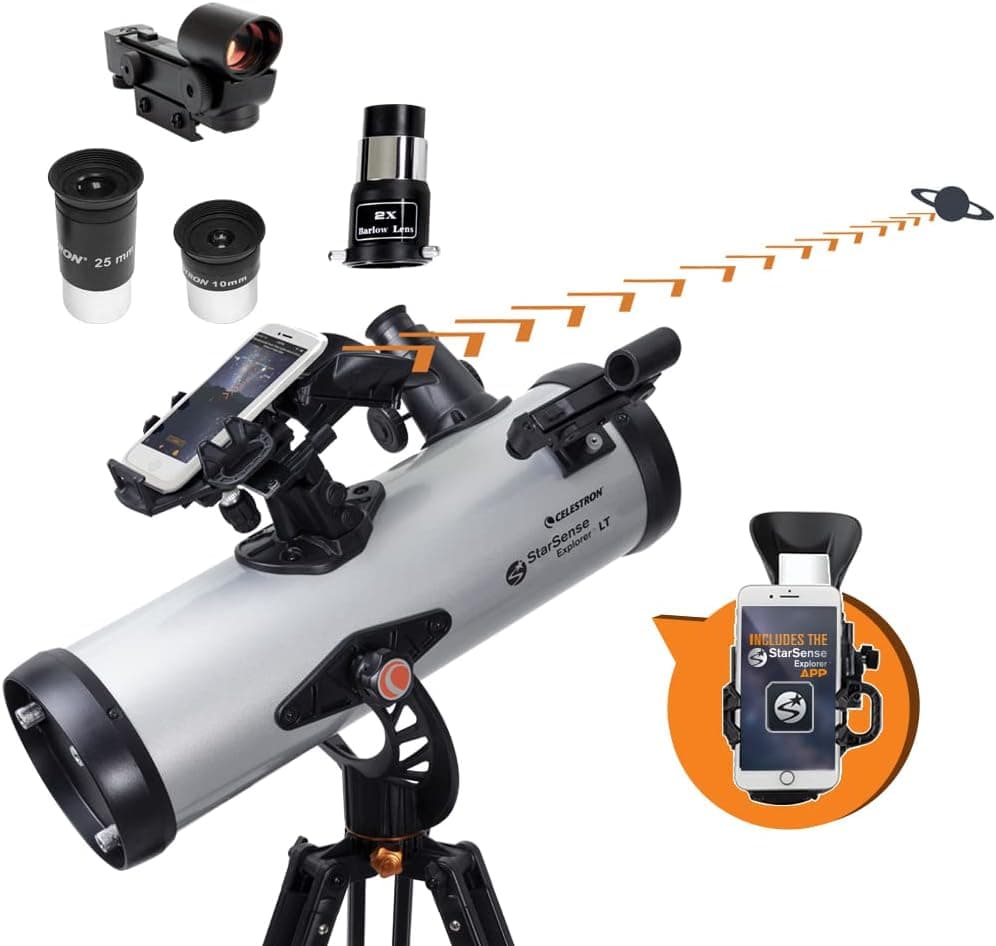
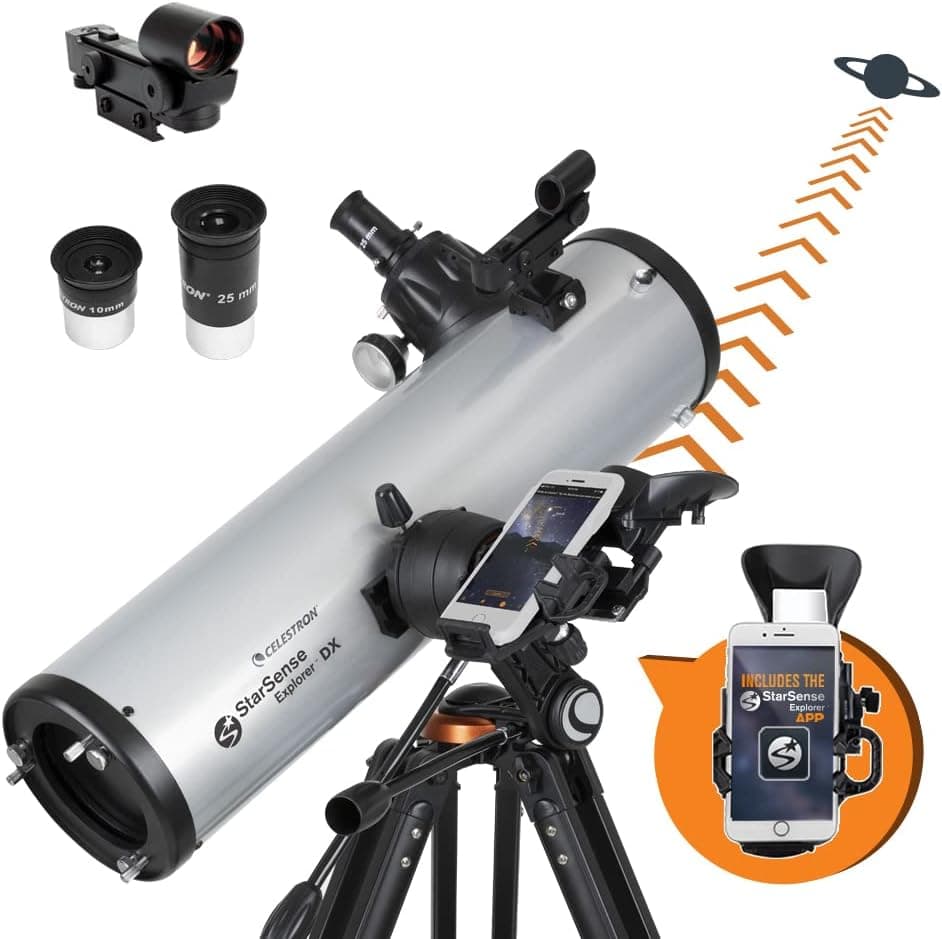
+ DX mount with slow-motion controls is steadier than the LT line
From our guide: Best Beginner Telescopes for a Great First Night (2026)
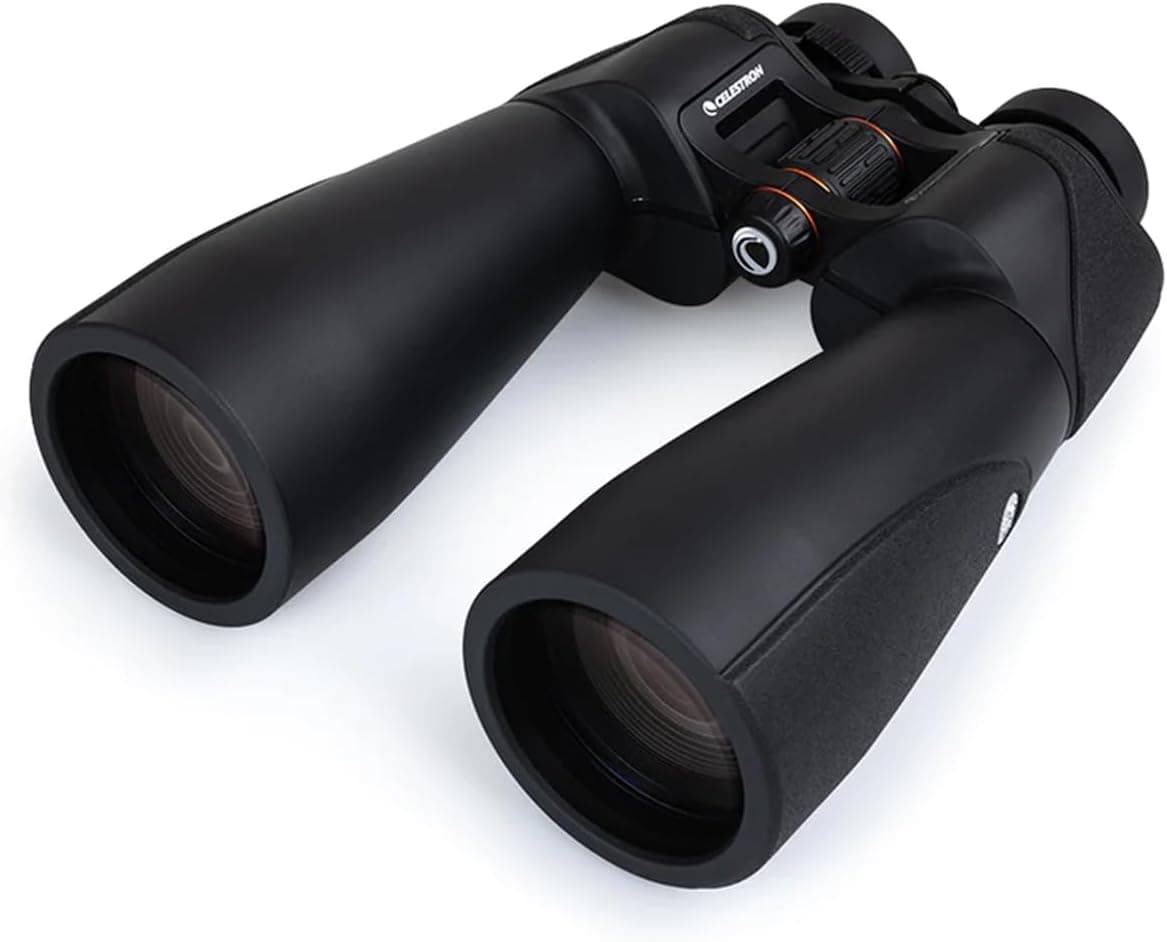
+ ED glass reduces color fringing around the Moon and bright stars
From our guide: Best Astronomy Binoculars for Wide Starfields (2026)
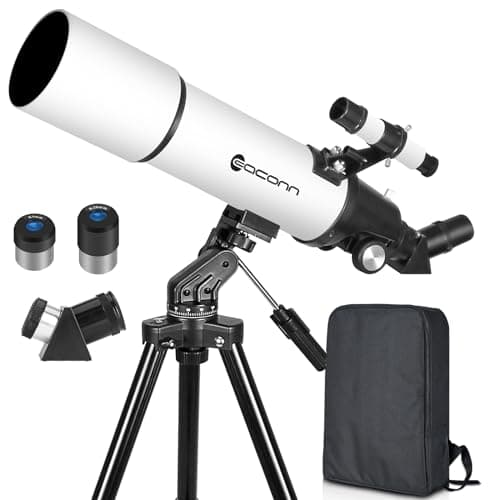
+ 80mm aperture with a fully coated glass lens, a step up in light gathering from 70mm travel scopes
From our guide: Best Travel Telescopes for Portable Stargazing (2026)
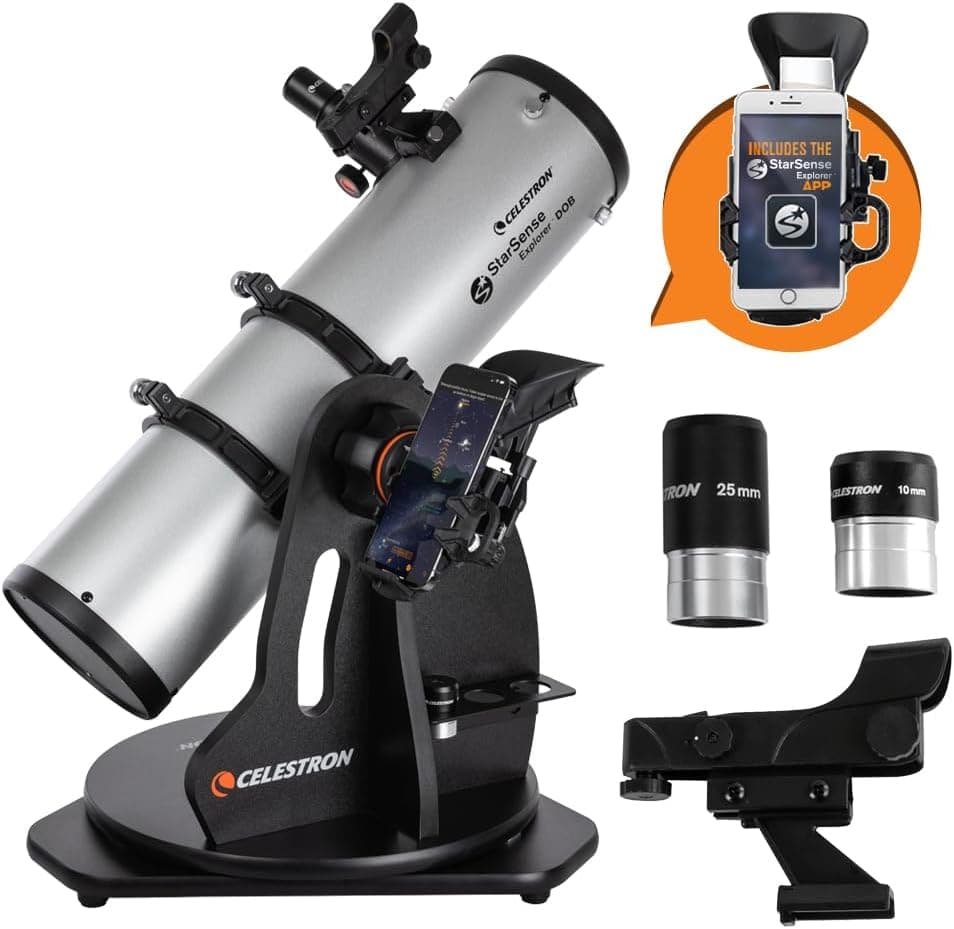
+ Tabletop Dobsonian base is extremely stable and quick to aim
From our guide: Best Beginner Telescopes for a Great First Night (2026)
Binoculars offer a wide field of view, which makes them wonderful for sweeping across the Milky Way, scanning large star clusters, and learning the constellations. Because both eyes are used, the view feels natural and comfortable, and objects are easy to locate. A common recommendation is a 7x50 or 10x50 pair, meaning seven or ten times magnification with 50mm lenses. This combination balances brightness, steadiness, and portability nicely.
With binoculars you can already see a great deal. The four largest moons of Jupiter appear as tiny points beside the planet, the craters along the Moon's terminator stand out in relief, and star fields resolve into countless pinpoints. Bright deep-sky objects like the Pleiades, the Andromeda Galaxy, and the Orion Nebula are within reach from a reasonably dark site. This is enough to keep a curious observer busy for many nights.
Telescopes take over where binoculars leave off. Their greater aperture and higher magnification reveal Saturn's rings, cloud belts on Jupiter, and structure in fainter galaxies and nebulae. If your goal is to study planets closely or to hunt down dim objects, a telescope is the right tool. The cost is greater complexity: telescopes need mounts, take time to set up, and have a learning curve for aiming and focusing.
Ease of use is where binoculars shine for beginners. You can grab them on impulse when a clear sky appears, and there is nothing to align or assemble. This low friction matters enormously, because the best instrument is the one you actually use. A telescope that feels like a chore to set up often ends up unused, while binoculars invite frequent, casual observing that builds real familiarity with the sky.
The two tools also complement each other rather than compete. Even seasoned observers keep binoculars handy for wide sweeps and for finding targets before zooming in with a telescope. Learning the sky with binoculars first makes a later telescope far more rewarding, because you will already know where things are and how to star-hop between them.
For most beginners, a sensible path is to start with a decent pair of 10x50 binoculars and a good star atlas. Spend a few months learning the constellations and finding bright objects. If your interest deepens and you crave more detail on planets and faint targets, add a telescope with confidence, knowing you already have the sky-reading skills to use it well.
At a glance: Telescope vs Binoculars
| Telescope | Binoculars | |
|---|---|---|
| Magnification | High, adjustable with eyepieces | Fixed, usually 7-15x |
| Field of view | Narrow | Wide |
| Detail on planets | Rings and cloud bands | Only moons of Jupiter as points |
| Setup | Minutes to align and cool | None |
| Learning the sky | Harder to point | Easy |
| Cost | Higher | Lower |
Choose Telescope if
- You want to see Saturn's rings and planetary detail
- You have a place to set up
- You are sure the hobby will stick
Choose Binoculars if
- You are learning constellations
- You want instant, portable views
- You want a low-cost start
Bottom line: Start with binoculars if you are new to the sky, then add a telescope once you know what you want to see. Binoculars stay useful even after you own a telescope.
Popular right now
- Best Intervalometers for Automated Astro Shots (2026)Buying guide
- Best Finder Scopes to Locate Targets Fast (2026)Buying guide
- Telescope Aperture and Magnification ChartArticle
- Best Star Diagonals for Comfortable Viewing (2026)Buying guide
- Best Red Flashlights to Protect Night Vision (2026)Buying guide
- Equatorial mount explainedGlossary
Based on the last 28 days of search and visitor data.