Telescope Magnification Myths
Published How we research
Few topics cause more confusion for telescope buyers than magnification. Boxes shout claims of 400x or 600x power, leading beginners to believe that more magnification means better views. In reality, magnification is one of the most misunderstood specifications in astronomy, and chasing high numbers leads straight to disappointment. Understanding the truth will make you a smarter buyer and a happier observer.
Products from this article
The highest-scoring picks from the buying guides this article links to. Scores are our editorial assessment, not customer ratings.
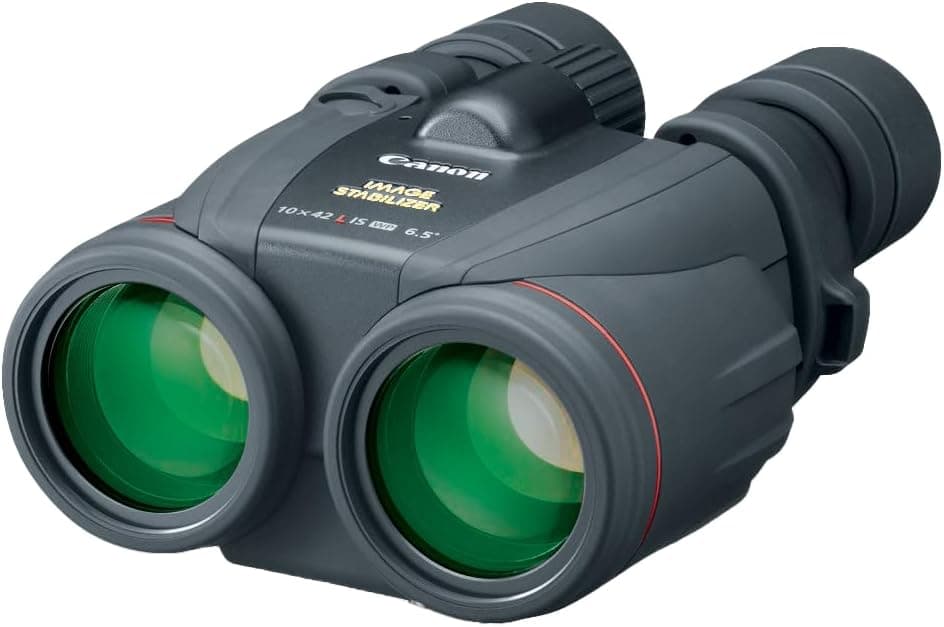
+ Image stabilization removes hand shake, revealing more stars and lunar detail
From our guide: Best Image-Stabilized Binoculars for Steady Views (2026)
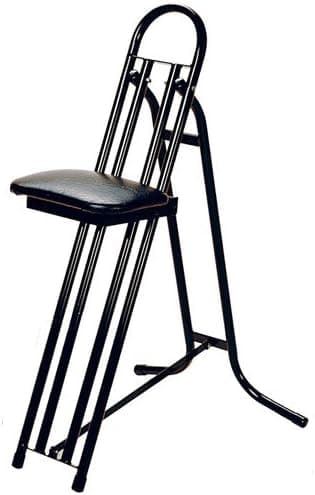
+ 8 to 34 inches range covers low Dobsonian eyepieces and tall refractors
From our guide: Best Astronomy Observing Chairs
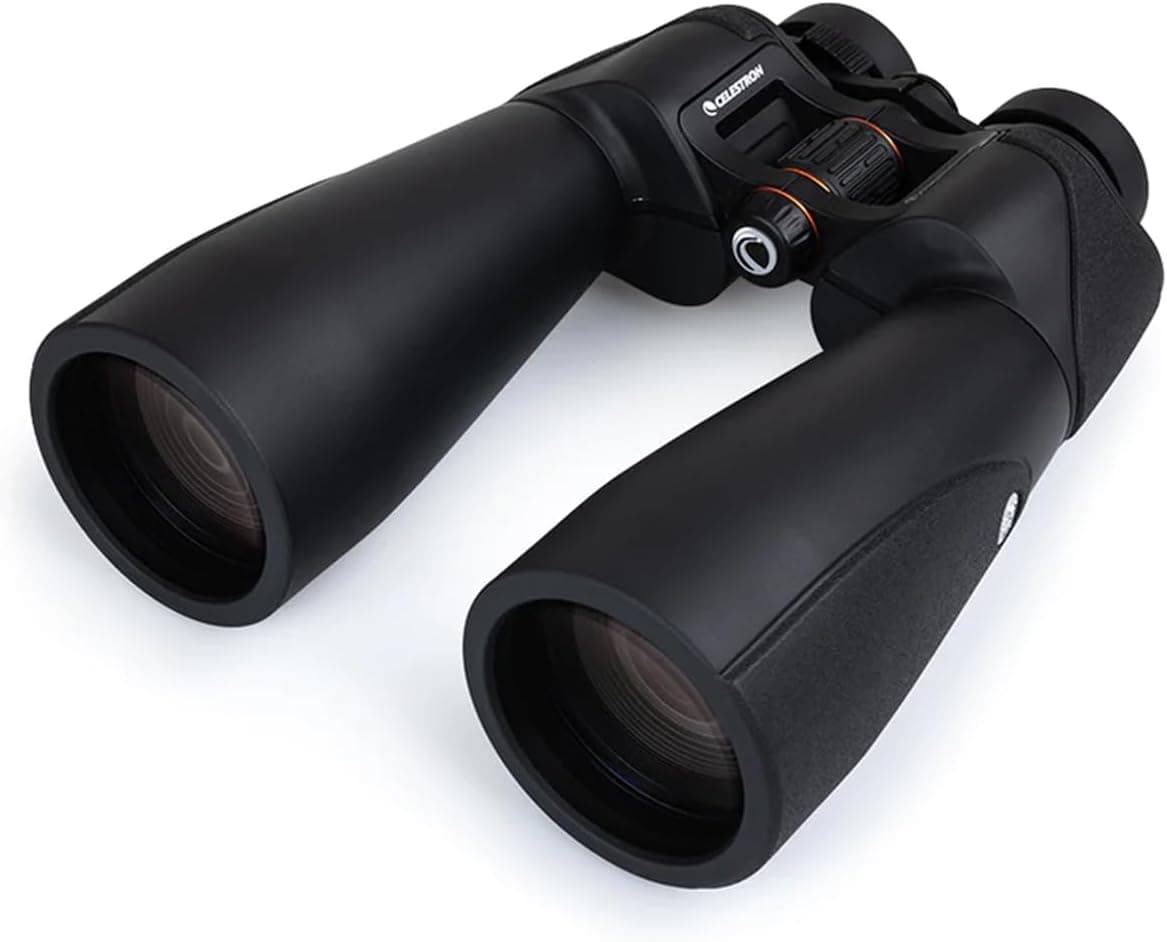
+ ED glass reduces color fringing around the Moon and bright stars
From our guide: Best Astronomy Binoculars for Wide Starfields (2026)
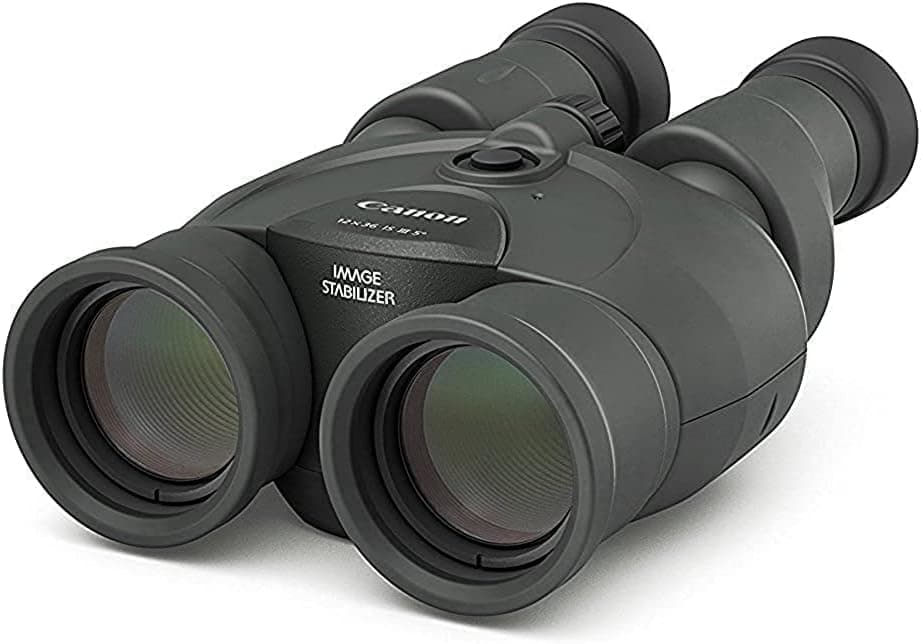
+ 12x power becomes usable handheld thanks to image stabilization
From our guide: Best Image-Stabilized Binoculars for Steady Views (2026)
Magnification simply describes how much larger an object appears, and it is set by the combination of telescope and eyepiece, not by the telescope alone. By swapping eyepieces, you can achieve almost any magnification on any telescope. That is precisely why the big numbers on cheap scopes are meaningless: the instrument can technically produce them, but the image will be a useless blur. Magnification without the aperture to support it is empty.
The real limit is set by aperture and by the atmosphere. A telescope can only resolve so much detail based on the diameter of its optics, and pushing magnification beyond that point enlarges the image without adding information. A common guideline is a maximum useful magnification of about two times the aperture in millimeters. So a 100mm telescope tops out near 200x under ideal conditions, and often less.
The atmosphere imposes its own ceiling regardless of your equipment. Air is constantly moving, and turbulence blurs and shimmers the image, an effect astronomers call seeing. On many nights, seeing limits useful magnification to well below the theoretical maximum of your scope. This is why professional observatories are built on high mountains with stable air, and why even superb telescopes sometimes deliver soft views from ordinary backyards.
High magnification also carries practical penalties. As power increases, the field of view shrinks, the image dims, and any vibration or tracking error becomes more obvious. Objects drift out of view faster, and a shaky mount turns the picture into a jittering mess. Lower magnification often produces a brighter, steadier, more pleasing image that reveals more real detail than an overpowered view ever could.
Different targets call for different magnifications. Wide objects like large star clusters and nebulae look best at low power, where the whole object fits in a generous field. The Moon and planets reward higher power, but only up to the point where the atmosphere allows. Learning to match magnification to the target and the night's conditions is a skill that separates experienced observers from frustrated beginners.
The practical takeaway is to ignore magnification claims when shopping and focus on aperture and mount quality instead. Own a small range of eyepieces so you can adjust power to suit each object and each night. Most of the time, moderate magnification serves you best. Treating magnification as a tool to be applied thoughtfully, rather than a score to be maximized, is the key to consistently rewarding views.
Popular right now
- Best Intervalometers for Automated Astro Shots (2026)Buying guide
- Best Finder Scopes to Locate Targets Fast (2026)Buying guide
- Telescope Aperture and Magnification ChartArticle
- Best Star Diagonals for Comfortable Viewing (2026)Buying guide
- Best Red Flashlights to Protect Night Vision (2026)Buying guide
- Equatorial mount explainedGlossary
Based on the last 28 days of search and visitor data.