What You Can See With a Small Telescope
Published How we research
A small telescope (60mm to 100mm aperture) shows far more than skeptics assume: hundreds of lunar craters and mountain ranges, Saturn's rings, Jupiter's four moons and two cloud belts on steady nights, the phases of Venus, bright star clusters like the Pleiades, and the Orion Nebula's structure. What it cannot do is show the vivid, detailed images of photographs, which need large apertures and long exposures; nebulae and galaxies appear as faint grey smudges, not colour. A small telescope, meaning one with an aperture around 60mm to 100mm, is capable of far more than skeptics assume yet also has honest limits. Knowing what such an instrument can genuinely deliver prevents disappointment and helps you get the most from it. The rewards are real, provided your expectations match the physics of a modest aperture.
Products from this article
The highest-scoring picks from the buying guides this article links to. Scores are our editorial assessment, not customer ratings.
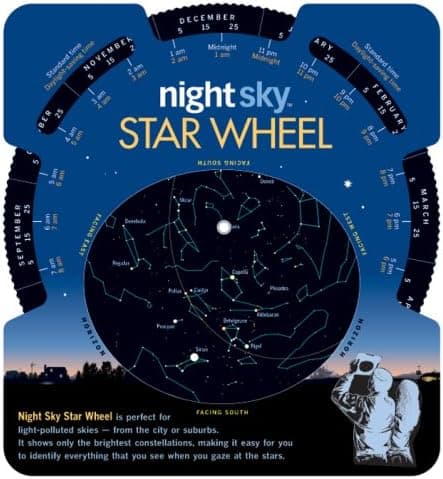
+ Rotating wheel shows visible constellations for any date and time
From our guide: Best Planispheres
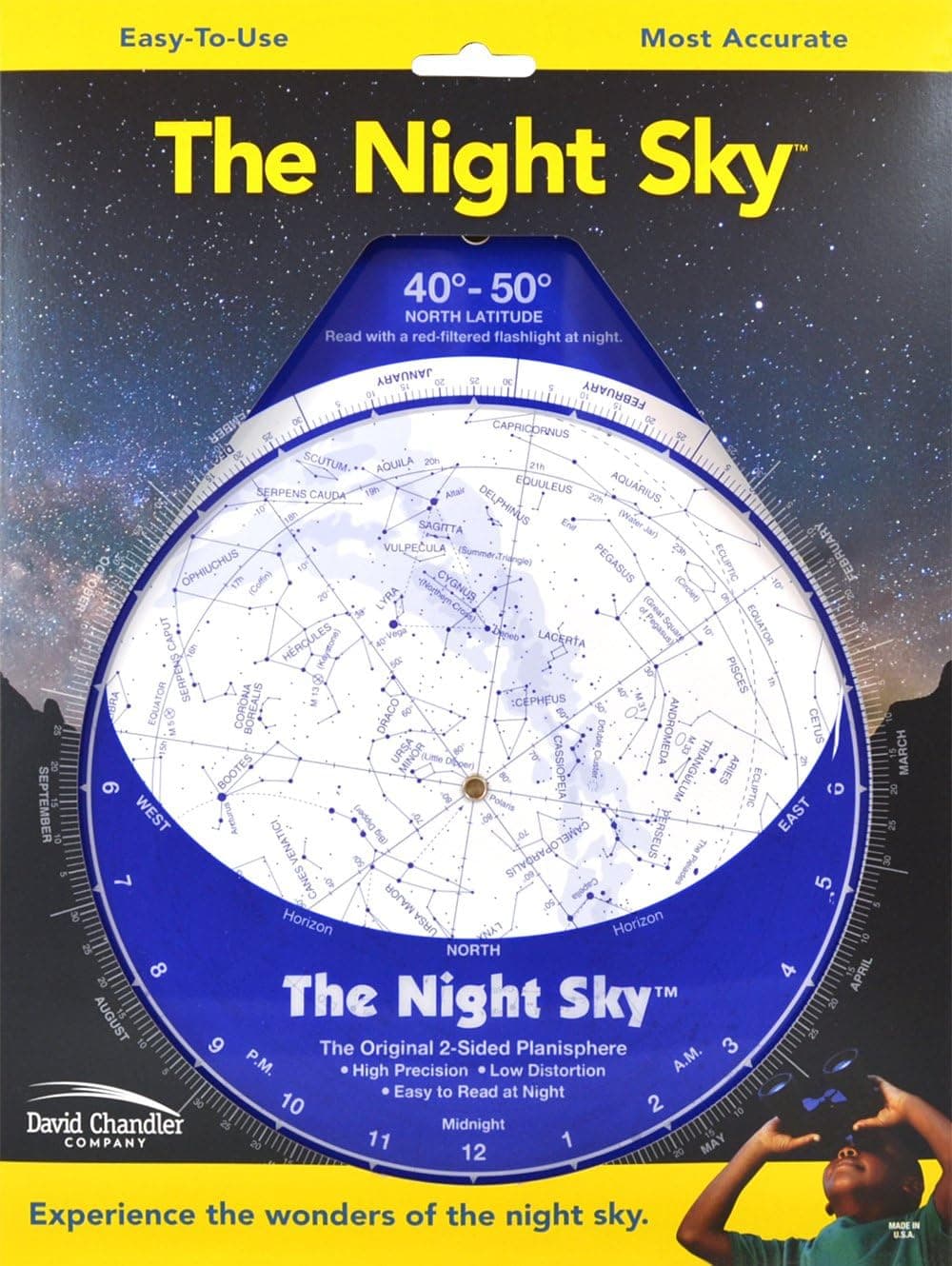
+ 40 to 50 degrees range suits much of the northern US and Europe
From our guide: Best Planispheres
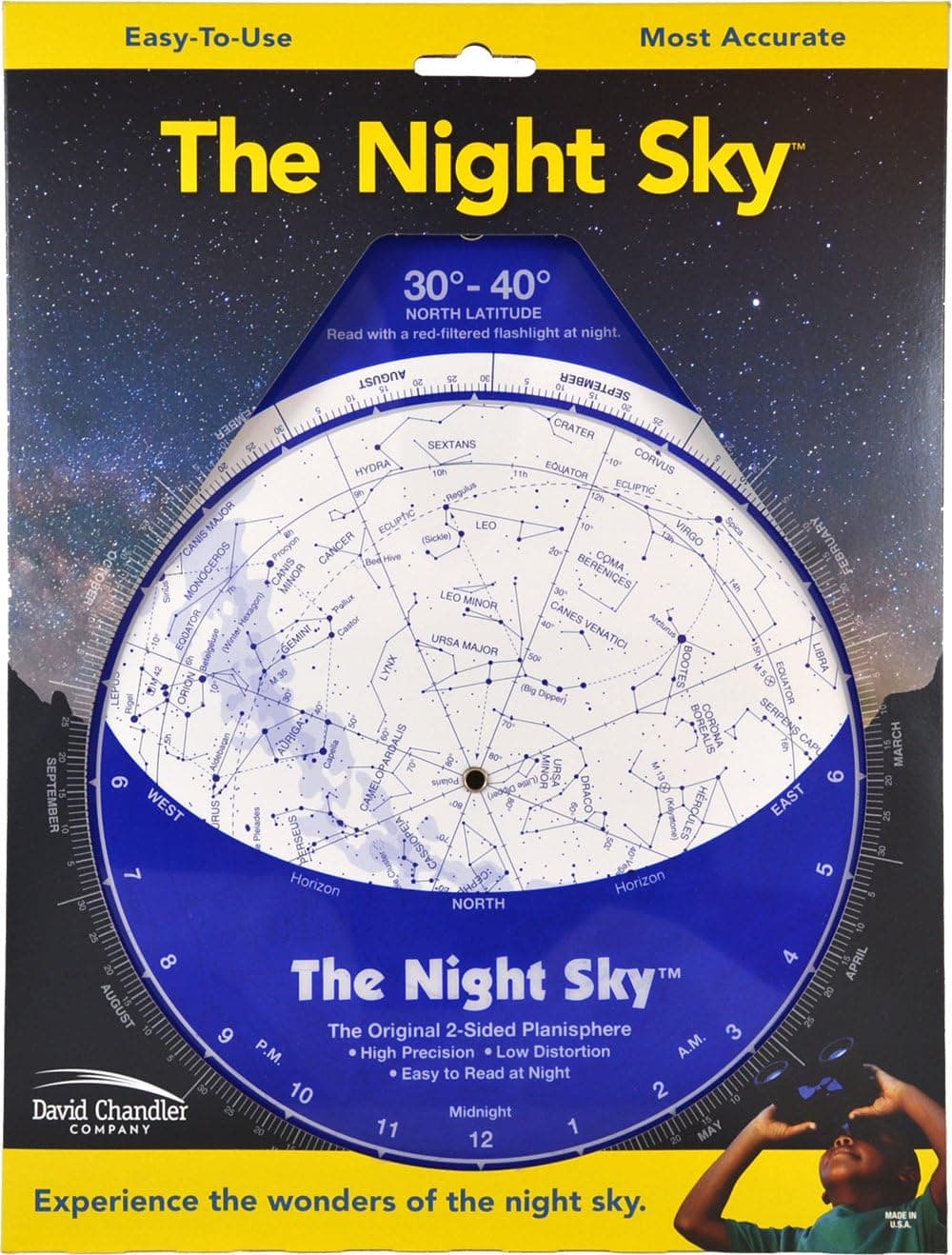
+ 30 to 40 degrees range suits southern US and similar latitudes
From our guide: Best Planispheres
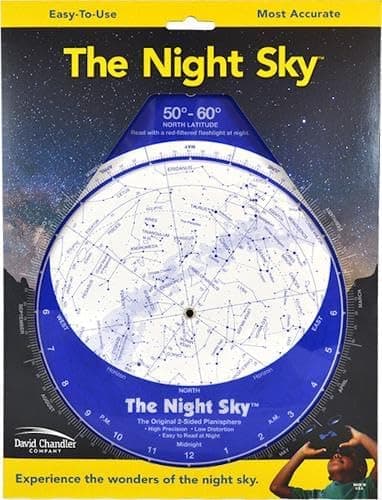
+ 50 to 60 degrees band suits Canada, northern Europe and similar high latitudes
From our guide: Best Planispheres
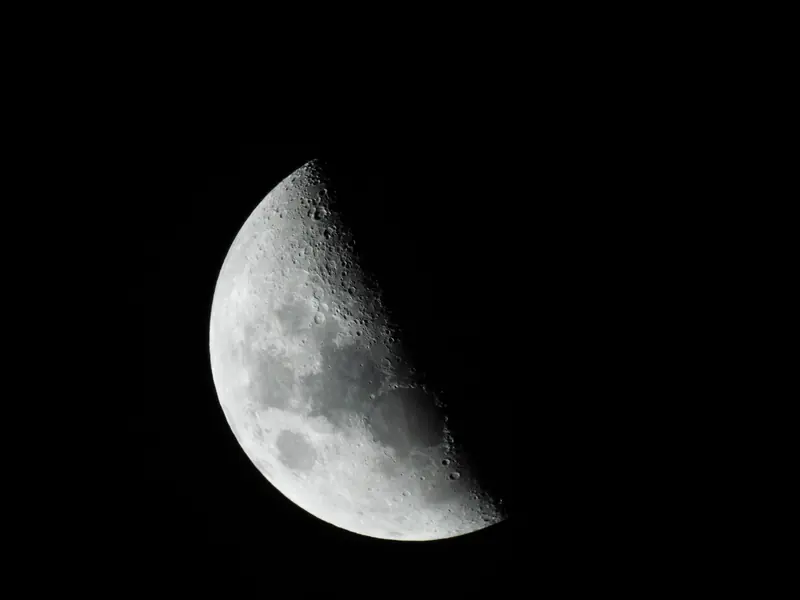
The Moon is where small telescopes shine
The Moon is where small telescopes truly shine. Even a 60mm scope reveals hundreds of craters, mountain ranges, and the dark lava plains called maria. Watching shadows shift along the terminator from one night to the next offers endless variety. The Moon is bright enough that light pollution barely matters, making it the perfect target from a city balcony.
The planets show genuine detail
Among the planets, small scopes show genuine detail. Saturn's rings are clearly visible and never fail to impress first-time viewers. Jupiter displays its four Galilean moons as points of light and, on nights of steady air, its two main cloud belts. Venus reveals its phases, and Mars shows a small orange disk that hints at surface markings when it is near Earth. These sights, while small, are unmistakably the real thing.
Bright star clusters are well within reach
Bright star clusters are well within reach and often look their best in small, wide-field instruments. The Pleiades, the Beehive, and the Double Cluster resolve into glittering fields of stars. Because clusters are relatively bright, they tolerate suburban skies reasonably well. Their generous size means a small telescope's wider field can frame them beautifully, sometimes better than a large scope with a narrow view.
Nebulae and galaxies as faint grey smudges
A few nebulae and galaxies are visible, though they appear as faint gray smudges rather than colorful clouds. The Orion Nebula shows clear structure and is a highlight of winter skies. The Andromeda Galaxy appears as an elongated glow, its true scale hinted at rather than fully seen. Under dark skies, a small scope reveals more of these objects than most beginners expect, but color and fine detail remain the domain of larger apertures and cameras.
Double stars are excellent small-scope targets
Double stars are excellent small-scope targets. Splitting close pairs like Albireo or Mizar demonstrates the instrument's resolving power and delivers striking color contrasts. Because double stars are bright, they are immune to light pollution and reward observers who lack access to dark rural skies. Hunting them down is a satisfying and skill-building pursuit.
What a small telescope cannot do
What a small telescope cannot do is show the vivid, detailed images seen in photographs, which require large apertures, long exposures, and image processing. Fainter galaxies will remain dim smudges or stay invisible entirely. Accepting these limits frees you to appreciate what is genuinely on offer: sharp lunar landscapes, ringed Saturn, dancing Jovian moons, sparkling clusters, and the quiet thrill of ancient light reaching your eye directly through a modest but capable instrument.
Frequently asked questions
Can you see Saturn's rings with a small telescope? Yes, clearly, even in a 60mm to 100mm scope. They never fail to impress first-time viewers. Jupiter's four Galilean moons and Venus's phases are also easily visible.
Can a small telescope show galaxies and nebulae? A few, but as faint grey smudges rather than colourful clouds. The Orion Nebula shows real structure and the Andromeda Galaxy appears as an elongated glow. Colour and fine detail need larger apertures and cameras.
What is the best target for a beginner telescope? The Moon. Even a 60mm scope reveals hundreds of craters and mountain ranges, it is bright enough that light pollution barely matters, and the view changes every night as shadows shift along the terminator.
Why don't the views match the photos? Photographs require large apertures, long exposures, and image processing to build up faint light and colour. Through the eyepiece you see the object directly and instantly, so it is fainter and monochrome.
Popular right now
- Best Intervalometers for Automated Astro Shots (2026)Buying guide
- Best Finder Scopes to Locate Targets Fast (2026)Buying guide
- Telescope Aperture and Magnification ChartArticle
- Best Star Diagonals for Comfortable Viewing (2026)Buying guide
- Best Red Flashlights to Protect Night Vision (2026)Buying guide
- Equatorial mount explainedGlossary
Based on the last 28 days of search and visitor data.