How to Star Hop
Published How we research
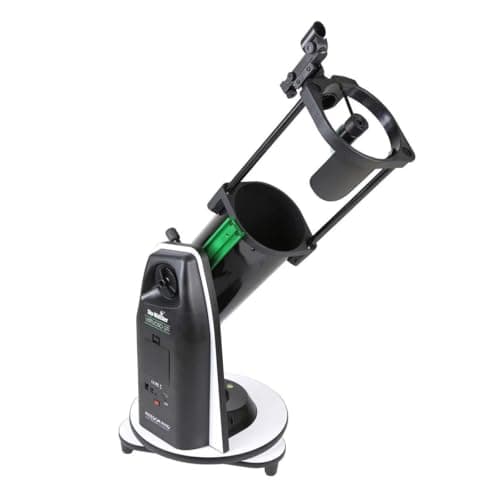
Star hopping is the traditional technique for finding objects in the night sky using nothing but charts, a finder, and patience. Long before computerized mounts existed, observers used this method to track down faint galaxies, nebulae, and clusters, and it remains a deeply satisfying skill. Learning to star hop connects you to the sky in a way that automated pointing cannot.
Products from this article
The highest-scoring picks from the buying guides this article links to. Scores are our editorial assessment, not customer ratings.
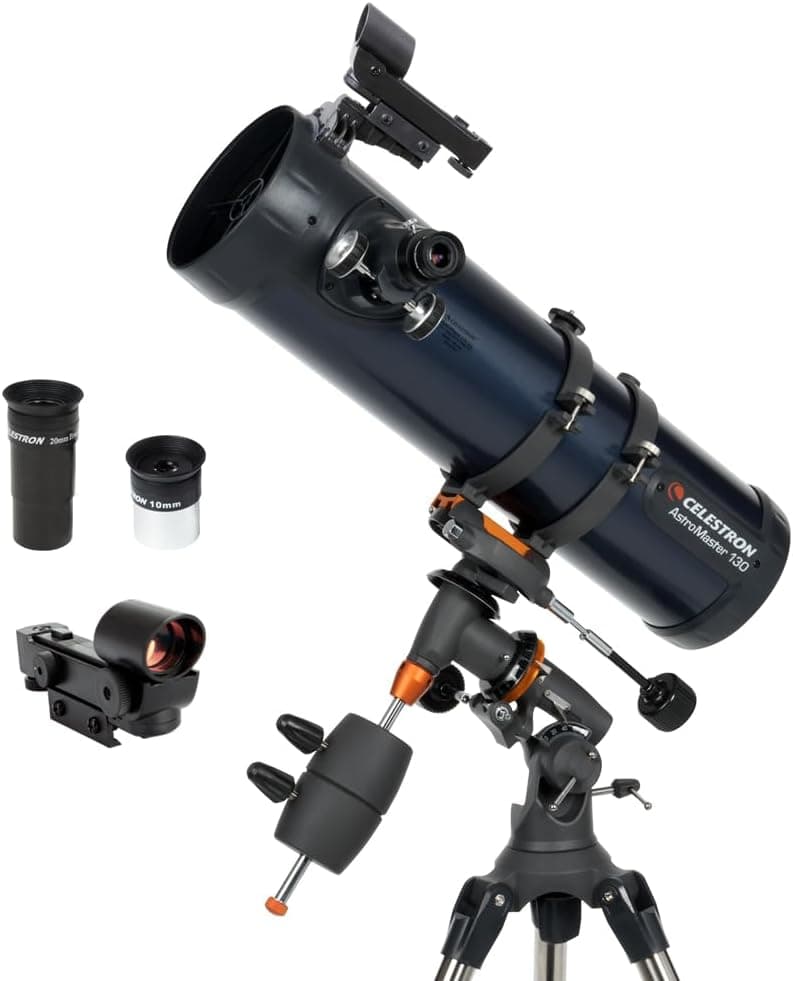
+ 130mm aperture with fast f/5 optics and a 650mm focal length for the Moon, planets, galaxies and nebulae
From our guide: Best Reflector Telescopes for Deep-Sky (2026)
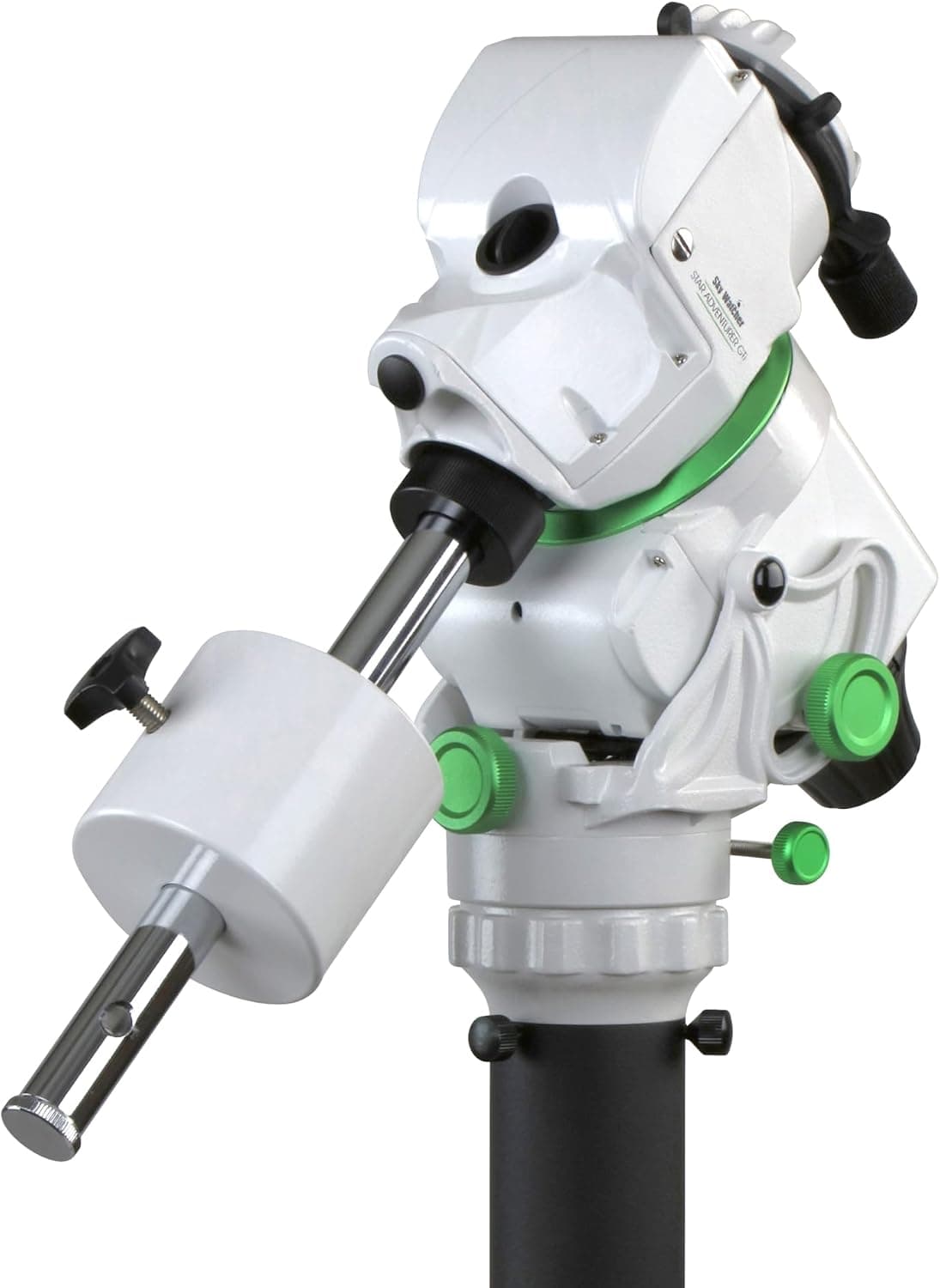
+ Full GoTo EQ tracking in a portable star tracker-sized package
From our guide: Best GoTo Mounts for Automated Object Finding (2026)
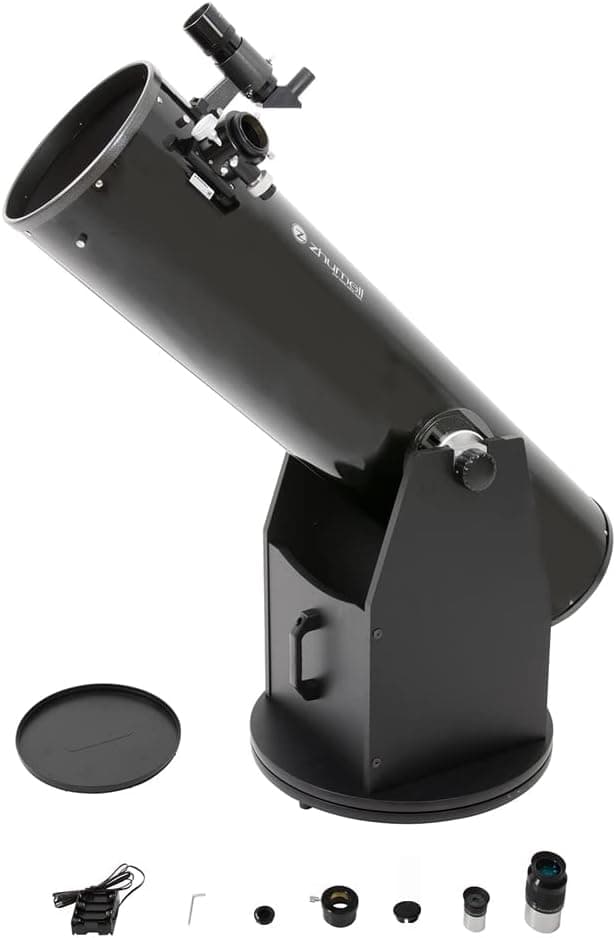
+ 10-inch aperture reveals globular clusters as stars and shows galaxy structure
From our guide: Best Dobsonian Telescopes for Deep-Sky Views (2026)
+ 130mm aluminized mirror shows bright galaxies, nebulae and star clusters
From our guide: Best Reflector Telescopes for Deep-Sky (2026)
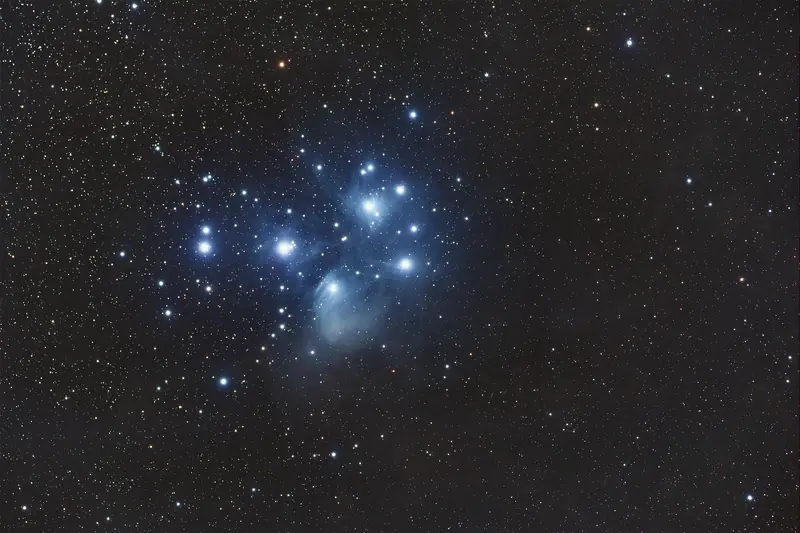
The idea is simple: you navigate from a bright, easily found star to your faint target by hopping along a chain of recognizable stars, matching the patterns you see to a chart. Because many deep-sky objects are too faint to see directly, you cannot just point at them. Instead, you find their location relative to stars you can see, then look there once your telescope is aimed at the right spot.
Start by identifying a bright anchor star near your target, ideally one visible to the unaided eye. Center it in your finder scope or low-power eyepiece. Then, using a detailed star chart, plan a route of intermediate stars that leads step by step toward the object. Good charts show stars down to the magnitudes visible in your finder, so you can match the on-paper pattern to what you actually see.
A low-power, wide-field eyepiece is your best friend when star hopping, because it shows a large patch of sky and makes patterns easy to recognize. A finder scope or a red-dot finder helps you aim roughly, and then the wide-field eyepiece confirms you are in the right area. Distinctive shapes, like small triangles or curved chains of stars, act as signposts that tell you exactly where you are along your route.
Think of star hopping like navigating with a map on a road trip. You move from one landmark to the next, checking each against the chart, until you arrive. If the pattern in the eyepiece does not match the chart, you have drifted off course and can backtrack to the last recognizable landmark. With practice, you develop a feel for the scale of your finder and eyepiece fields, which speeds the whole process.
Several practical tips smooth the learning curve. Observe from as dark a site as you can, since more visible stars make hopping easier. Protect your dark adaptation and use a dim red light to read charts. Be aware that many telescopes present a flipped or rotated view, so learn how your instrument orients the sky and account for it when matching charts. Start with easy, brighter targets before attempting faint, challenging ones.
Star hopping rewards patience, but the payoff is real independence. You will be able to find objects anywhere, anytime, without batteries or software, and you will learn the geography of the sky in a way that automated observers never do. Each successful hop to a faint galaxy or nebula carries a sense of accomplishment, and over time the sky becomes familiar territory you can navigate with quiet confidence.
Popular right now
- Best Intervalometers for Automated Astro Shots (2026)Buying guide
- Best Finder Scopes to Locate Targets Fast (2026)Buying guide
- Telescope Aperture and Magnification ChartArticle
- Best Star Diagonals for Comfortable Viewing (2026)Buying guide
- Best Red Flashlights to Protect Night Vision (2026)Buying guide
- Equatorial mount explainedGlossary
Based on the last 28 days of search and visitor data.