How to Choose Your First Telescope
Published How we research
Choosing a first telescope can feel overwhelming because the market is full of confusing specifications and inflated magnification claims. The good news is that a handful of practical factors matter far more than the marketing on the box. Focusing on aperture, mount stability, portability, and honest expectations will lead to a purchase that actually gets used rather than gathering dust in a closet.
Products from this article
The highest-scoring picks from the buying guides this article links to. Scores are our editorial assessment, not customer ratings.
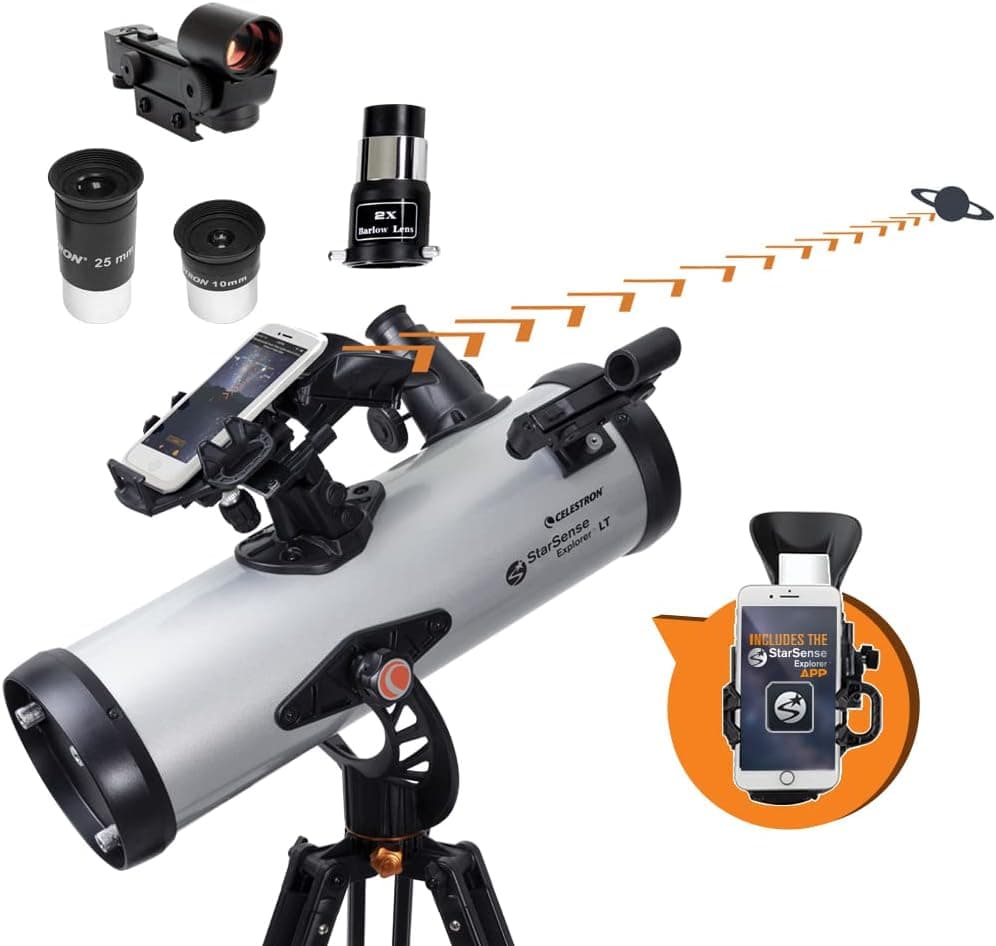
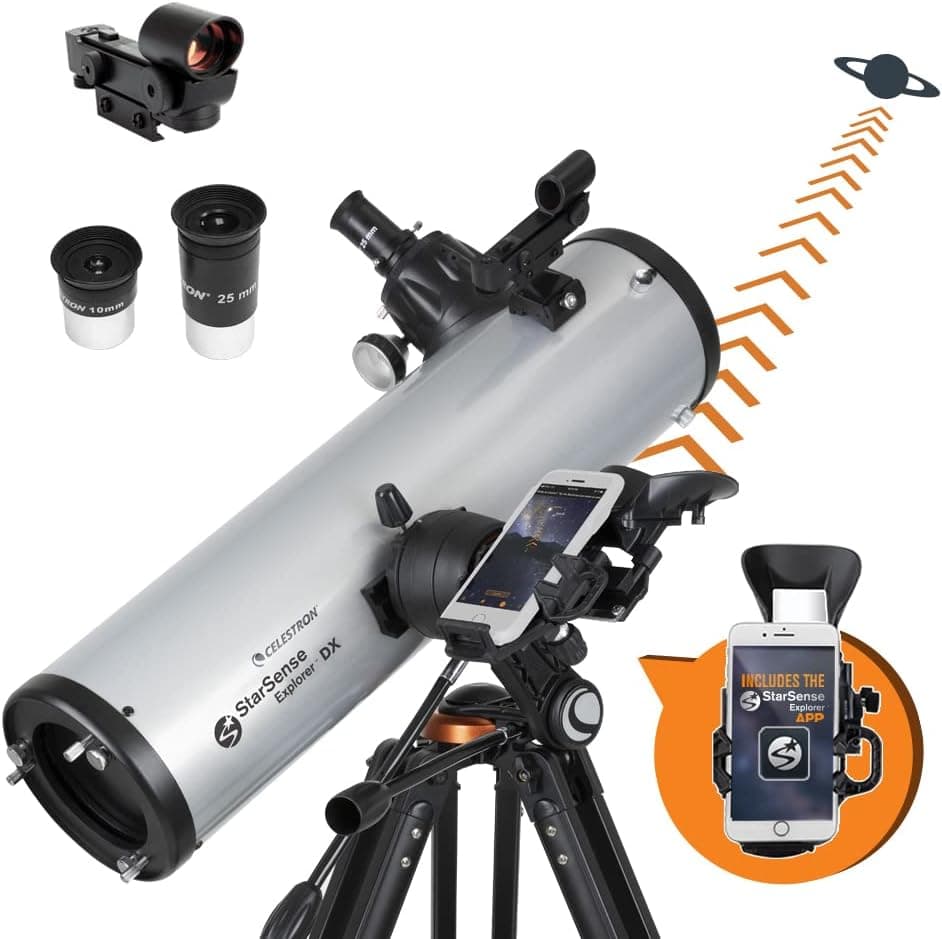
+ DX mount with slow-motion controls is steadier than the LT line
From our guide: Best Beginner Telescopes for a Great First Night (2026)
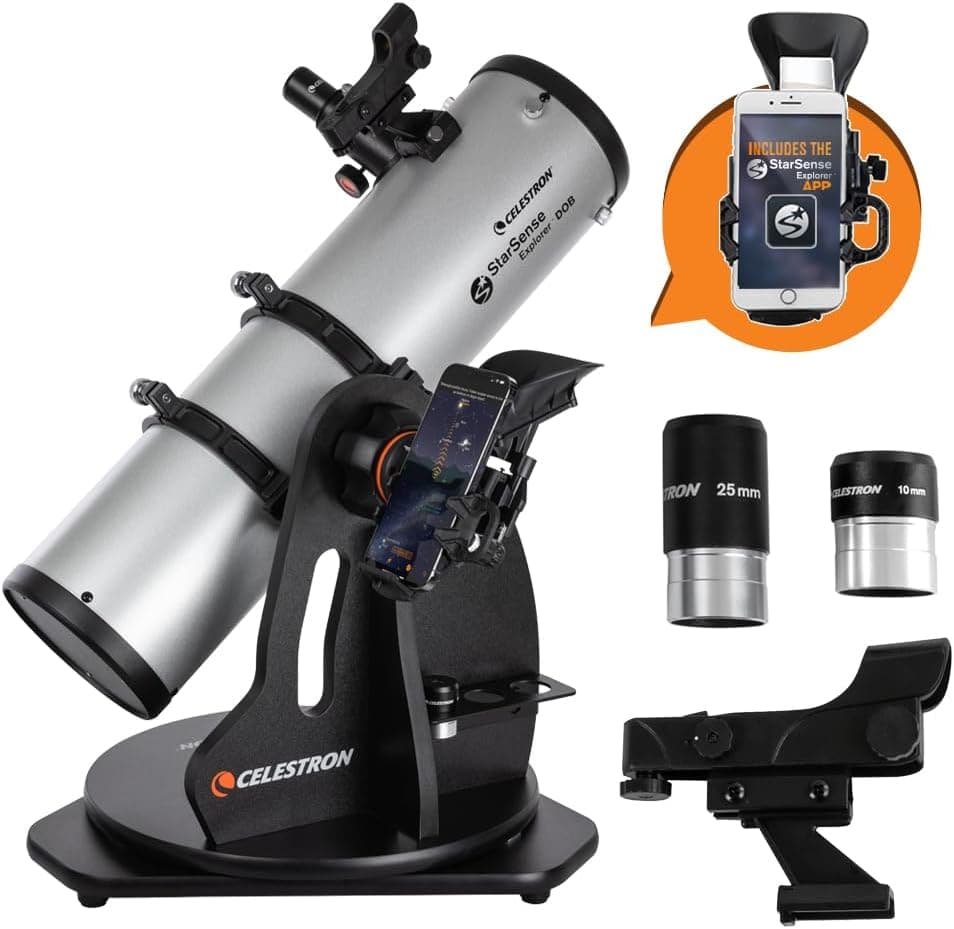
+ Tabletop Dobsonian base is extremely stable and quick to aim
From our guide: Best Beginner Telescopes for a Great First Night (2026)
+ Smartphone dock and app show exactly where to push the tube to find a target
From our guide: Best Beginner Telescopes for a Great First Night (2026)
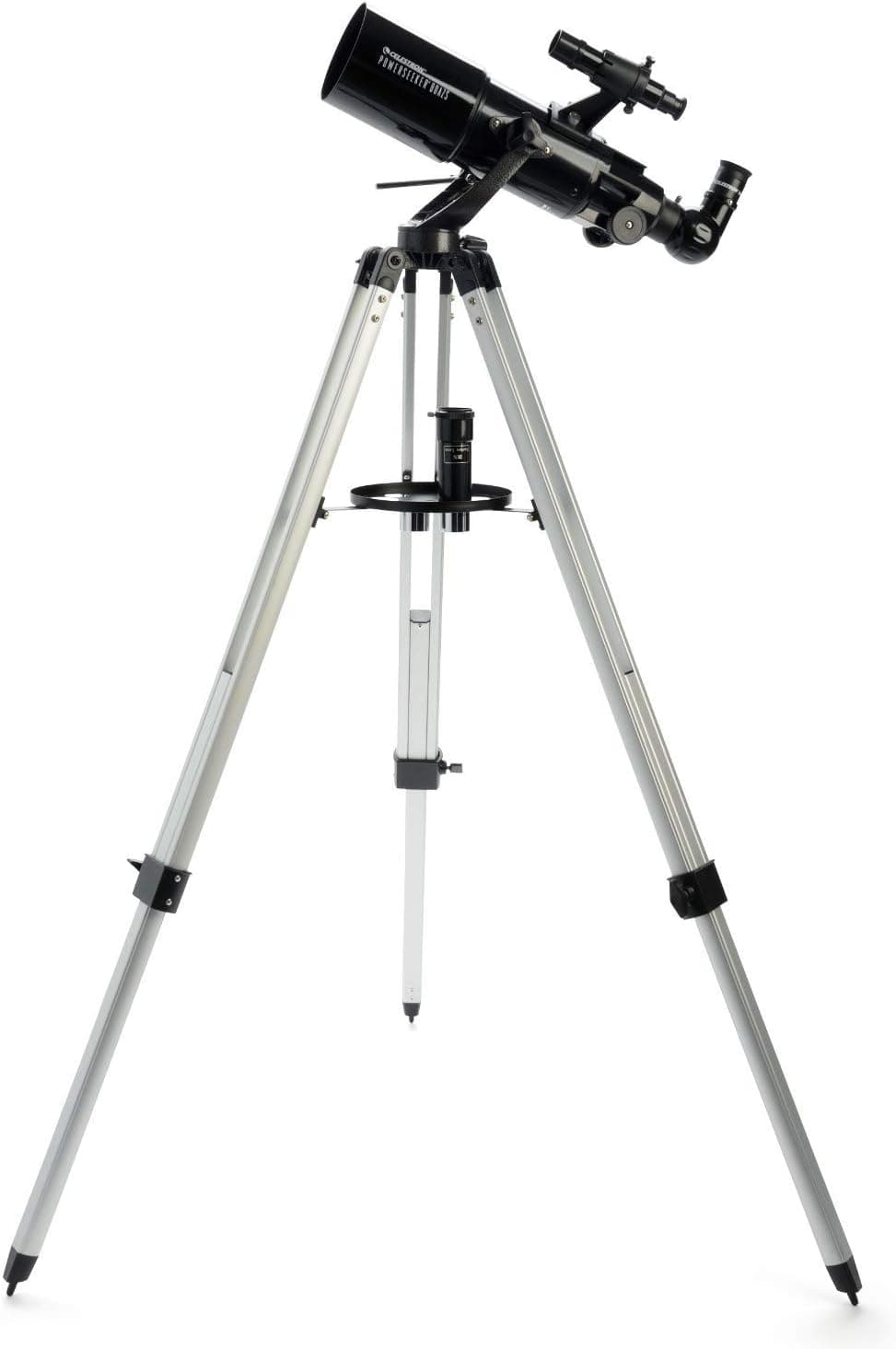
+ Alt-azimuth mount is the easiest style for beginners to understand
From our guide: Best Beginner Telescopes for a Great First Night (2026)
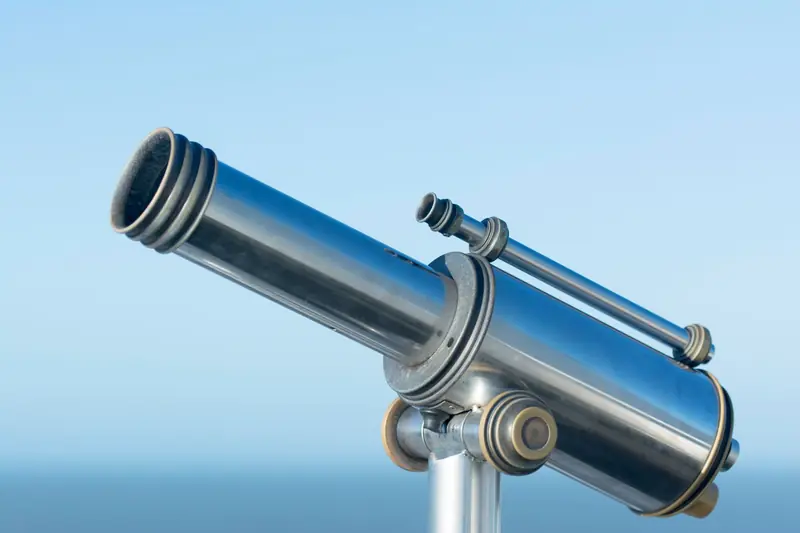
Aperture, the diameter of the main lens or mirror, is the single most important number. A larger aperture gathers more light, revealing fainter objects and finer detail. For a first instrument, something in the range of 100mm to 150mm offers a strong balance between capability and manageable size. Anything smaller can still show the Moon and bright planets, but you will quickly wish for more reach on deep-sky targets.
The mount is just as important as the optics, and beginners often overlook it. A shaky mount ruins the view because every small touch sends the image trembling. Dobsonian mounts, which sit on the ground and swivel smoothly, give you the most stable aperture for your money. Equatorial mounts help with tracking objects as the sky rotates, but they carry a learning curve that can frustrate newcomers.
Budget realistically and buy from a dedicated telescope retailer rather than a department store. A common trap is the cheap tripod-mounted refractor advertised with claims like 600x magnification. Such instruments have tiny apertures and wobbly mounts, so they disappoint almost everyone. A solid entry-level scope usually costs a moderate amount, and spending a little more on quality often means the difference between a lifelong hobby and abandoned gear.
Think hard about portability and where you will actually observe. A large scope that lives in a garage and never comes out is worse than a modest one you grab on a clear evening. If you live in a city and must drive to darker skies, weight and setup time become critical. Handling a display model in a shop, if possible, tells you more than any spec sheet.
Finally, set expectations that match reality. Views through the eyepiece will not look like the colorful long-exposure photographs seen online, which are the product of specialized cameras and processing. What you will see instead is the crisp texture of lunar craters, the rings of Saturn, the moons of Jupiter, and soft glowing smudges of distant clusters and nebulae. That direct connection to real light from real objects is the reward, and a well-chosen first telescope delivers it night after night.
A sensible starting point for many people is a 130mm or 150mm Dobsonian reflector paired with a good beginner star atlas or a planetarium app. It requires no batteries, sets up in seconds, and shows a genuinely impressive slice of the night sky. From there you can add eyepieces and accessories as your interests sharpen, letting the hobby grow with you rather than forcing every decision on day one.
Popular right now
- Best Intervalometers for Automated Astro Shots (2026)Buying guide
- Best Finder Scopes to Locate Targets Fast (2026)Buying guide
- Telescope Aperture and Magnification ChartArticle
- Best Star Diagonals for Comfortable Viewing (2026)Buying guide
- Best Red Flashlights to Protect Night Vision (2026)Buying guide
- Equatorial mount explainedGlossary
Based on the last 28 days of search and visitor data.