Deep-Sky Observing Basics
Published How we research
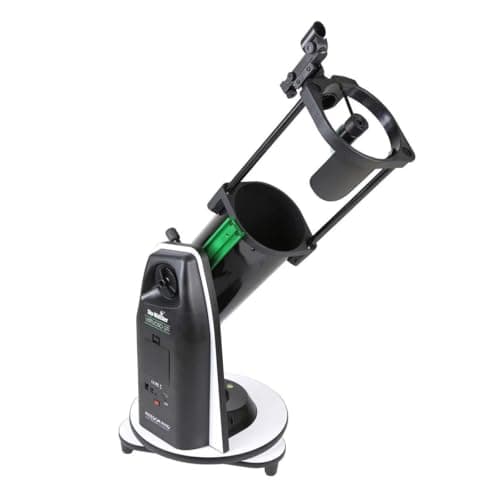
Deep-sky objects are everything beyond our solar system: distant galaxies, glowing nebulae, and sparkling star clusters. They are among the most awe-inspiring targets because their light has traveled thousands or even millions of years to reach your eye. Observing them well requires a different approach than planets or the Moon, and understanding that approach unlocks a vast new realm of the sky.
Products from this article
The highest-scoring picks from the buying guides this article links to. Scores are our editorial assessment, not customer ratings.
+ 130mm aperture with fast f/5 optics and a 650mm focal length for the Moon, planets, galaxies and nebulae
From our guide: Best Reflector Telescopes for Deep-Sky (2026)
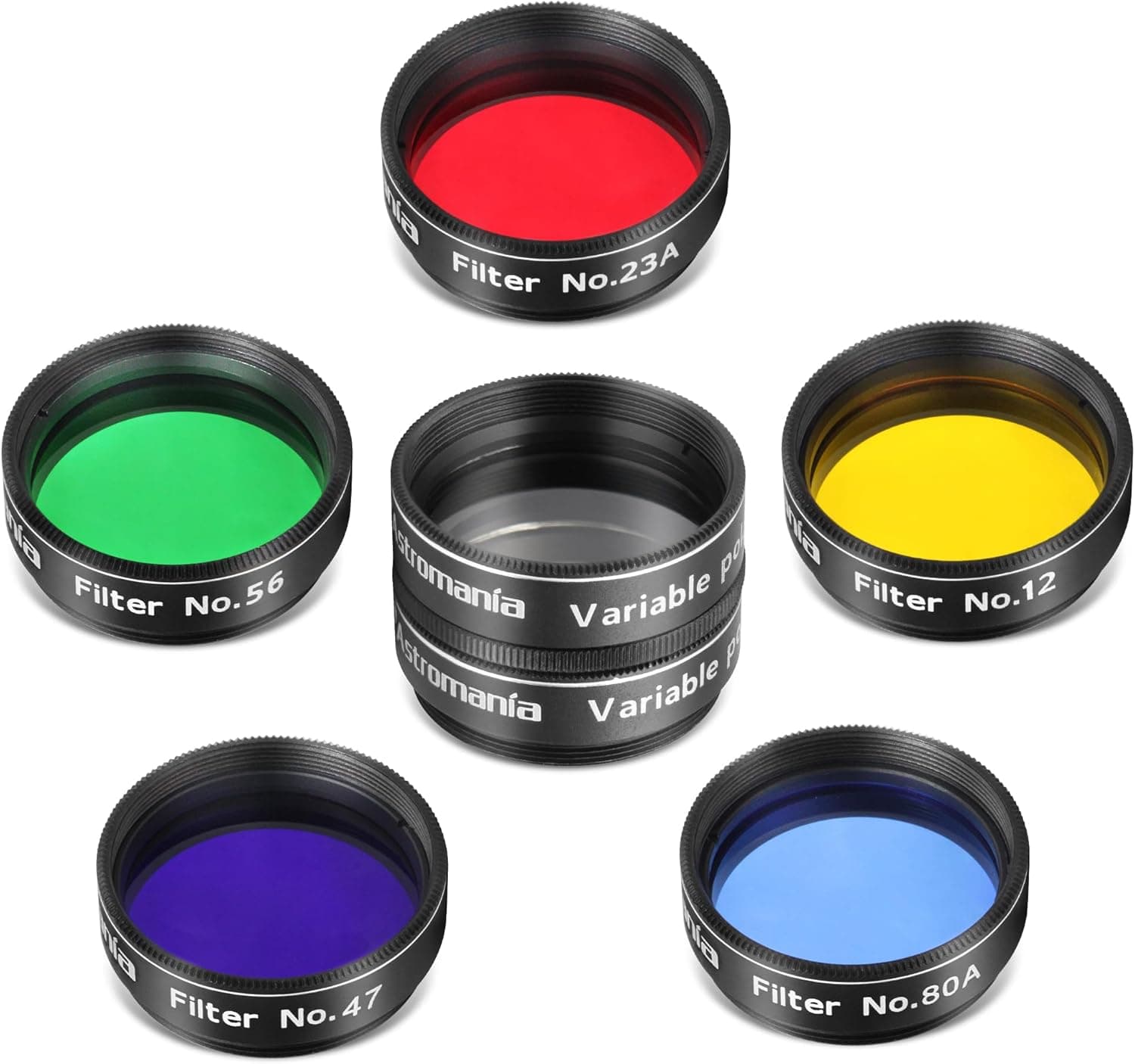
+ Variable grey polarizing filter adjusts brightness for bright lunar views
From our guide: Best Eyepiece Filters to Sharpen Every View (2026)
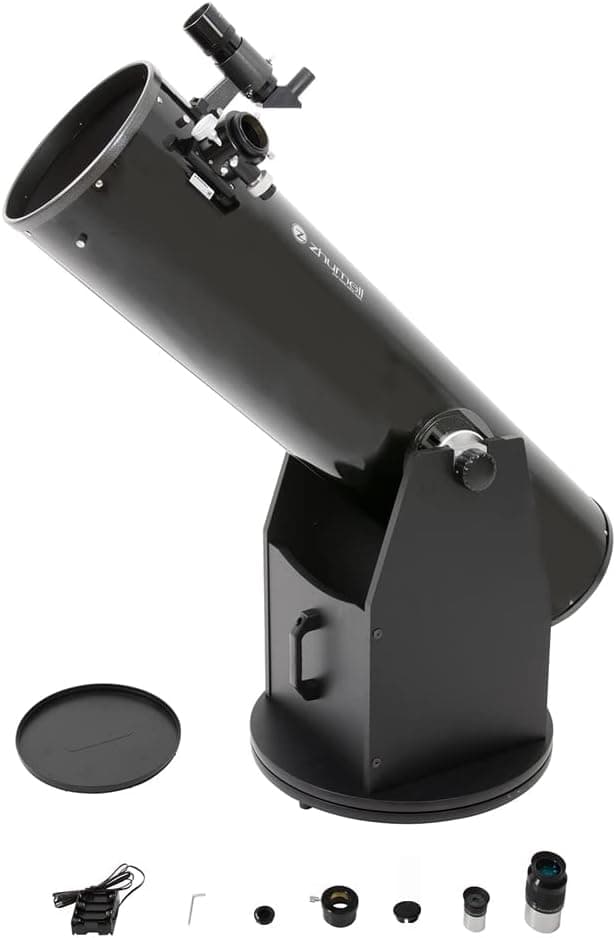
+ 10-inch aperture reveals globular clusters as stars and shows galaxy structure
From our guide: Best Dobsonian Telescopes for Deep-Sky Views (2026)
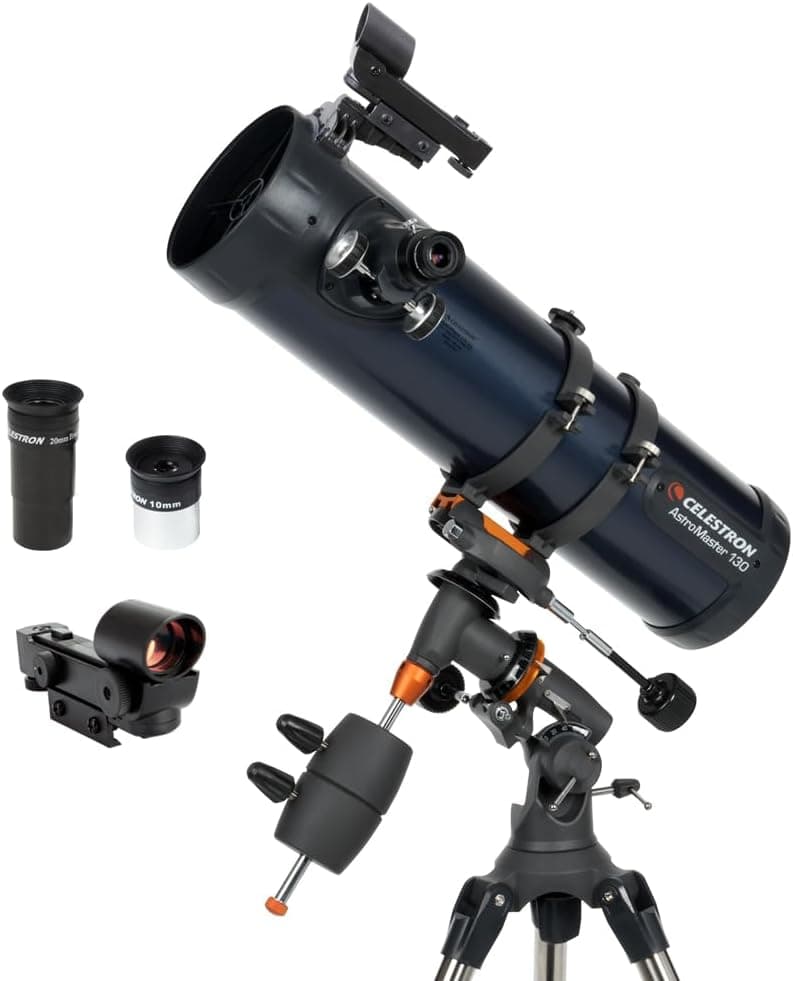
+ 130mm aluminized mirror shows bright galaxies, nebulae and star clusters
From our guide: Best Reflector Telescopes for Deep-Sky (2026)
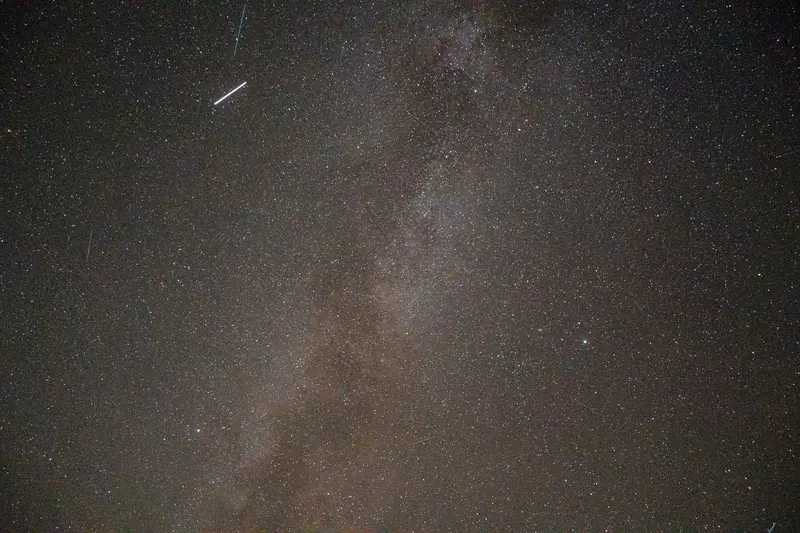
The first thing to understand is what these objects actually look like through a telescope. Unlike the vivid, colorful photographs seen online, most deep-sky objects appear as soft, grayish glows to the eye. This is because our eyes cannot gather light over time the way a camera does. Accepting this reality is important, because the subtle beauty of a faint galaxy or nebula, seen with your own eye in real time, has a quiet magic that photographs cannot replicate.
Star clusters are the most forgiving deep-sky targets. Open clusters like the Pleiades and the Double Cluster are bright, large, and resolve into pinpoints of light even in small instruments. Globular clusters, dense spherical swarms of ancient stars, appear as fuzzy balls that larger apertures can resolve into countless individual points. Clusters tolerate light pollution reasonably well, making them a great starting point for deep-sky beginners.
Nebulae are clouds of gas and dust, some glowing from the energy of nearby stars and others reflecting starlight. The Orion Nebula is the showpiece of the winter sky, revealing structure and the young stars forming within it. Emission nebulae respond well to narrowband filters, which boost their contrast against the sky. Nebulae generally demand darker skies than clusters, so a trip away from city lights greatly improves the view.
Galaxies are the most distant and often the most challenging targets. The Andromeda Galaxy is the brightest and largest, appearing as an elongated glow that hints at its true scale. Most other galaxies are faint smudges that require dark skies and patience to appreciate. Larger apertures reveal more galaxies and more of their structure, but even then, galaxies reward the observer who has learned to see subtle detail.
Finding deep-sky objects is a skill in itself. Many are too faint to see directly, so observers use star hopping, tracing a path from a bright, known star through fainter stars to the target's location. A good star atlas or app is essential. A technique called averted vision also helps: looking slightly to the side of a faint object lets the more sensitive part of your eye detect it, often revealing detail that vanishes when you look directly.
Success with deep-sky observing depends heavily on dark, transparent skies and well-adapted eyes. Give your eyes at least twenty minutes to adjust to darkness, use only dim red light, and travel to darker sites when you can. With patience, good technique, and realistic expectations, the deep sky opens into an endless collection of galaxies, nebulae, and clusters, each a distant island of light waiting to be found.
Popular right now
- Best Intervalometers for Automated Astro Shots (2026)Buying guide
- Best Finder Scopes to Locate Targets Fast (2026)Buying guide
- Telescope Aperture and Magnification ChartArticle
- Best Star Diagonals for Comfortable Viewing (2026)Buying guide
- Best Red Flashlights to Protect Night Vision (2026)Buying guide
- Equatorial mount explainedGlossary
Based on the last 28 days of search and visitor data.