Best Autoguiders for Pinpoint Long Exposures (2026)
Updated How we research
ZWO ASI120MM-Mini 1.2MP Monochrome Astronomy Camera 1280x960 CMOS USB2.0 Type-C ST4 Port
ZWO ASI120MM-Mini 1.2MP monochrome camera, 1280x960 CMOS, USB2.0 Type-C with ST4 port for autoguiding.
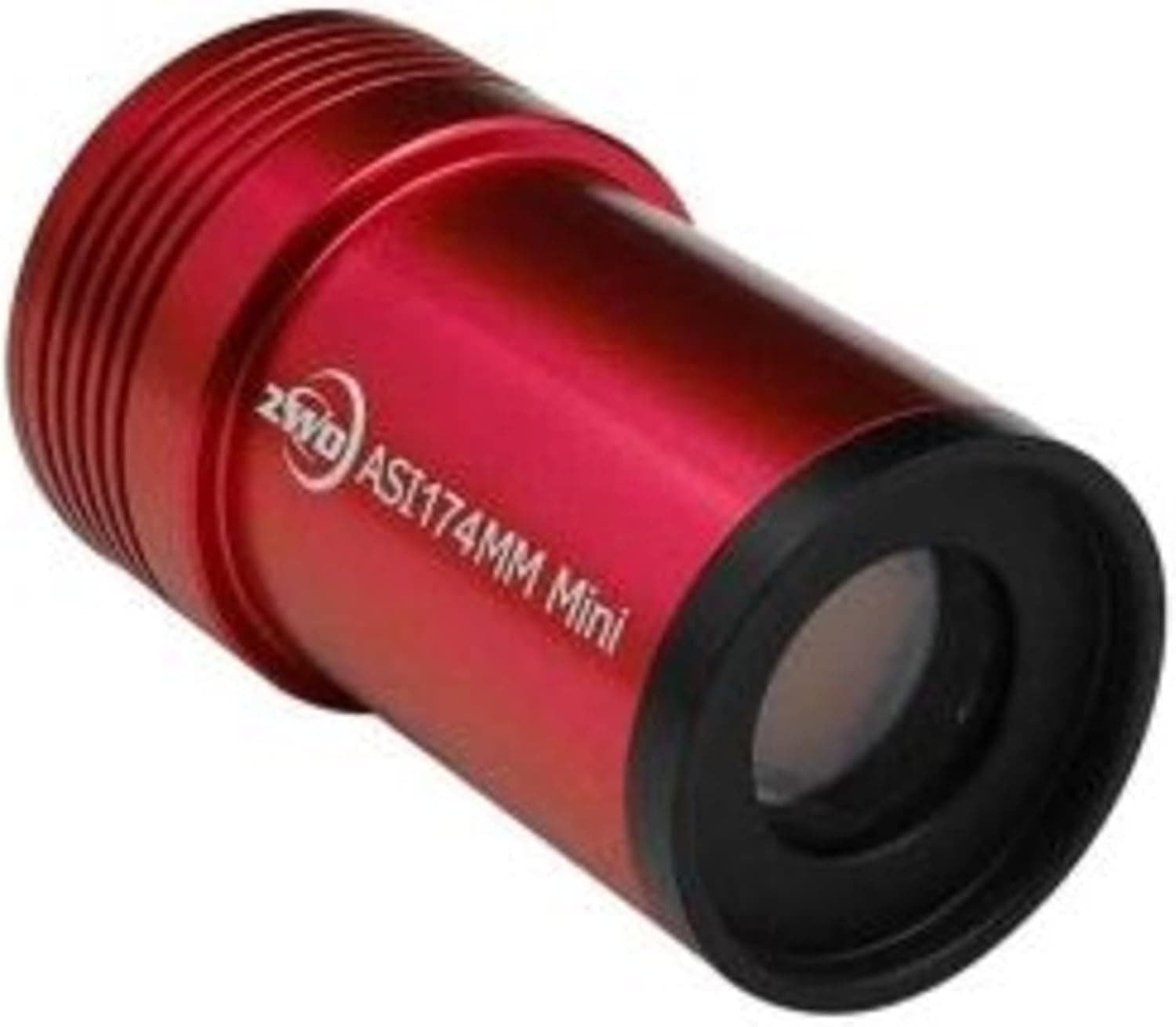
ZWO ASI174MM-MINI 2.1 MP CMOS Monochrome Astronomy Camera with USB 2.0 Autoguider
ZWO ASI174MM-MINI 2.1 MP CMOS monochrome camera with USB 2.0, built as a sensitive autoguider.
An autoguider watches a star and sends tiny corrections to your mount, canceling the small tracking errors that turn stars into streaks during long exposures. A typical setup pairs a small, sensitive guide camera with either a separate guide scope or an off-axis guider that pulls light from the main optics. Key points are the camera's sensitivity and pixel size, the guide scope's focal length relative to your imaging scope, and that the mount has an autoguider port or pulse-guiding support over USB. Autoguiders suit deep-sky imagers pushing past exposures of a minute or two, where even a good mount drifts. A practical tip: a compact guide scope and small guide camera handle most refractor and short-focal setups, while long focal lengths above about 1000mm benefit from an off-axis guider, which shares the main optics and avoids the flexure that ruins guiding between two separate tubes.
The short version
We compared 7 picks. Our scores range from 7.8 to 8.9 out of 10.
- Best overall:ZWO ASI120MM-Mini 1.2MP Monochrome Astronomy Camera 1280x960 CMOS USB2.0 Type-C ST4 Port. Highest overall score in this guide at 8.9/10.
- Also great value:SVBONY SV165 Mini Guide Scope 30mm F4 Finder for ZWO QHY Orion Auto Guiding Cameras Deep Sky. Value score of 9/10, overall 8.6/10.
- Solid build:ZWO ASI174MM-MINI 2.1 MP CMOS Monochrome Astronomy Camera with USB 2.0 Autoguider. Build and materials score of 8/10, overall 8.7/10.
- Feature-rich:SVBONY SV305M Pro Astronomy Camera 2MP USB3.0 Telescope and Guide Camera for Astrophotography. Features score of 8/10, overall 8.0/10.
Scores are our editorial assessment, not customer ratings. How we score
- 1.ZWO ASI120MM-Mini 1.2MP Monochrome Astronomy Camera 1280x960 CMOS USB2.0 Type-C ST4 Port8.9/10See on AmazonCheck price
- 2.ZWO ASI174MM-MINI 2.1 MP CMOS Monochrome Astronomy Camera with USB 2.0 Autoguider8.7/10See on AmazonCheck price
- 3.SVBONY SV165 Mini Guide Scope 30mm F4 Finder for ZWO QHY Orion Auto Guiding Cameras Deep Sky8.6/10See on AmazonCheck price
- 4.ZWO ASI120MM-MINI (Mono) 1.2 MP CMOS Monochrome Astronomy Camera with USB 2.08.3/10See on AmazonCheck price
- 5.ZWO ASI120MM Mini (Mono) USB 2.0 Monochrome CMOS Camera for Planetary Imaging and Guiding8.3/10See on AmazonCheck price
- 6.SVBONY SV305M Pro Astronomy Camera 2MP USB3.0 Telescope and Guide Camera for Astrophotography8.0/10See on AmazonCheck price
- 7.ZWO ASI120MM 1.2 Megapixel USB 2.0 Monochrome Astronomy Camera for Astrophotography and Guiding7.8/10See on AmazonCheck price
 #1
ZWO ASI120MM-Mini 1.2MP monochrome camera, 1280x960 CMOS, USB2.0 Type-C with ST4 port for autoguiding.
Fit for the job 10/10 · Features and specs 8/10 · Build and materials 8/10 · Value 9/10
- + ST4 port allows direct guide pulses to mounts without an ASCOM connection
- + Monochrome 1280x960 sensor is sensitive enough to find guide stars easily
- + Mini body slips into guide scopes and finder brackets
- - USB2.0 speed is slow for planetary imaging compared with USB3 cameras
- - Small sensor field can make finding guide stars harder in sparse areas
 #2
ZWO ASI174MM-MINI 2.1 MP CMOS monochrome camera with USB 2.0, built as a sensitive autoguider.
Fit for the job 10/10 · Features and specs 8/10 · Build and materials 8/10 · Value 8/10
- + Larger sensor than entry mini guide cams finds guide stars more easily
- + Monochrome sensor offers high sensitivity for off-axis guiding
- + Mini form fits compact guide scopes and OAG setups
- - Costs more than basic guide cameras that handle simple guiding fine
- - USB 2.0 is not suited for high-speed imaging
 #3
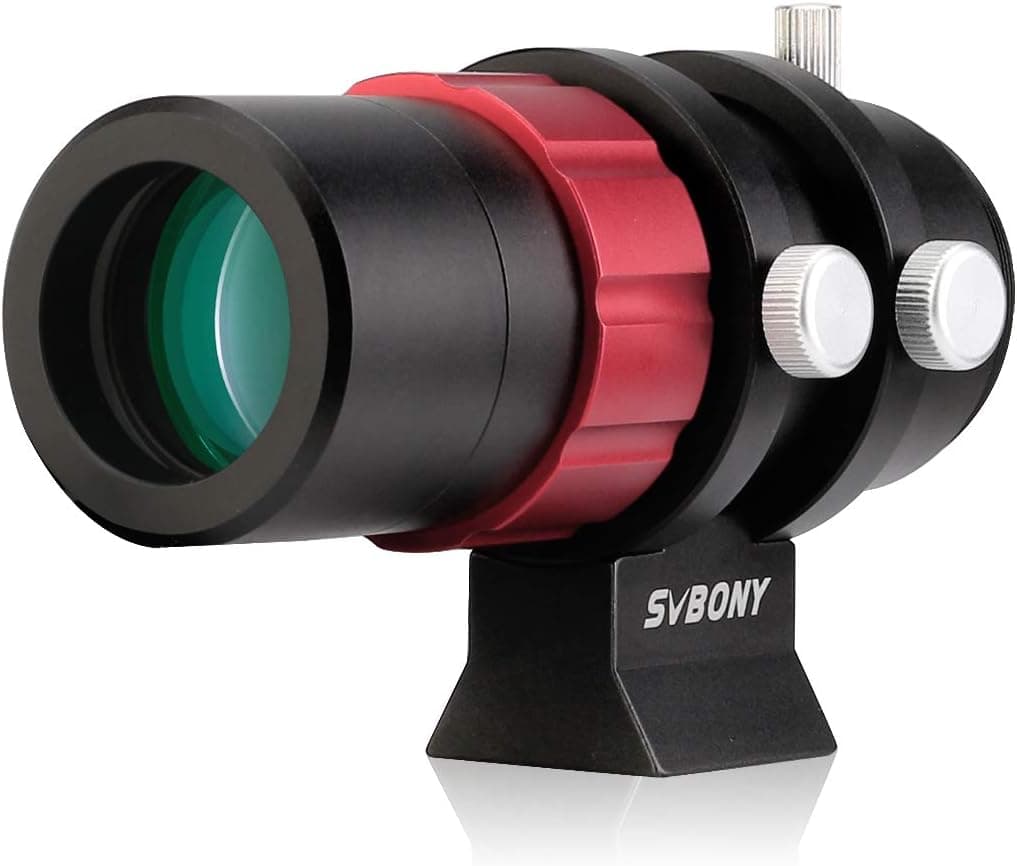
SVBONY SV165 mini guide scope, 30mm F4 finder for ZWO, QHY and Orion autoguiding cameras in deep-sky setups.
Fit for the job 9/10 · Features and specs 8/10 · Build and materials 8/10 · Value 9/10
- + 30mm F4 optics give a wide field for easy guide star selection
- + Compatible with ZWO, QHY and Orion guide cameras
- + Doubles as a finder scope to save weight on the telescope
- - Guide camera is not included, so it needs a separate purchase
- - Short focal length gives less guiding precision for long focal length imaging
 #4
ZWO ASI120MM-MINI mono 1.2 MP CMOS monochrome astronomy camera with USB 2.0 for guiding.
Fit for the job 9/10 · Features and specs 7/10 · Build and materials 8/10 · Value 9/10
- + Proven guide camera widely supported by PHD2 and other guiding software
- + Compact form fits neatly into mini guide scopes
- + Monochrome sensor maximizes sensitivity for faint guide stars
- - Check guiding connection options if you plan to autoguide
- - USB 2.0 limits its use for high-speed planetary capture
 #5
ZWO ASI120MM Mini mono USB 2.0 monochrome CMOS camera for planetary imaging and guiding.
Fit for the job 9/10 · Features and specs 7/10 · Build and materials 8/10 · Value 9/10
- + Mini form factor fits standard small-barrel guide scope drawtubes
- + Monochrome CMOS sensor is ideal for sensitive guiding
- + Can also capture basic lunar and planetary images
- - USB 2.0 limits frame rates for serious planetary work
- - Small sensor offers a narrow field for guide star selection
 #6
SVBONY SV305M Pro 2MP USB3.0 camera for telescope imaging and autoguiding in astrophotography.
Fit for the job 8/10 · Features and specs 8/10 · Build and materials 7/10 · Value 9/10
- + USB3.0 speed supports both guiding and planetary video capture
- + Monochrome version gives good sensitivity for guide stars
- + Budget-friendly dual-purpose camera for guiding now and planets later
- - Software support may be less mature than ZWO's ecosystem
- - Small sensor limits deep-sky imaging uses
 #7
ZWO ASI120MM 1.2 megapixel USB 2.0 monochrome astronomy camera for astrophotography and guiding.
Fit for the job 8/10 · Features and specs 7/10 · Build and materials 8/10 · Value 8/10
- + Doubles as a guide camera and a basic planetary imager
- + Monochrome sensor is sensitive for guiding and filtered imaging
- + Long-standing model with extensive community support
- - Larger body than the Mini version for guide scope mounting
- - Older USB 2.0 design is slow for modern planetary imaging
Before you buy: trade-offs we flagged
No pick is perfect. These are the main compromises we noted for the top products in this guide, so you can check they will not matter for you.
- USB2.0 speed is slow for planetary imaging compared with USB3 cameras (ZWO ASI120MM-Mini 1.2MP Monochrome Astronomy...)
- Costs more than basic guide cameras that handle simple guiding fine (ZWO ASI174MM-MINI 2.1 MP CMOS Monochrome...)
- Guide camera is not included, so it needs a separate purchase (SVBONY SV165 Mini Guide Scope 30mm F4 Finder...)
- Check guiding connection options if you plan to autoguide (ZWO ASI120MM-MINI (Mono) 1.2 MP CMOS...)
- USB 2.0 limits frame rates for serious planetary work (ZWO ASI120MM Mini (Mono) USB 2.0 Monochrome...)
- Software support may be less mature than ZWO's ecosystem (SVBONY SV305M Pro Astronomy Camera 2MP USB3.0...)
Frequently asked questions
›What is the best choice among autoguiders for pinpoint long exposures (2026)?
ZWO ASI120MM-Mini 1.2MP Monochrome Astronomy Camera 1280x960 CMOS USB2.0 Type-C ST4 Port is our top overall pick. ZWO ASI120MM-Mini 1.2MP monochrome camera, 1280x960 CMOS, USB2.0 Type-C with ST4 port for autoguiding. It earns our score of 8.9/10, based on fit for the job, features, build and value.
›What is a good budget option?
ZWO ASI174MM-MINI 2.1 MP CMOS Monochrome Astronomy Camera with USB 2.0 Autoguider is the strongest low-cost pick in this guide. ZWO ASI174MM-MINI 2.1 MP CMOS monochrome camera with USB 2.0, built as a sensitive autoguider.
›How much should I expect to spend?
Picks in this guide span See on Amazon price bands (roughly: $ = under $30, $$ = $30 to $100, $$$ = over $100). We never display exact prices because they change constantly, so the buttons above always show Amazon's current price.
›How were these products chosen?
We shortlist products that fit the job this guide solves and compare their published specifications, such as size, capacity, materials and what is included. Each pick gets an editorial score out of 10 for fit, features, build and value, and we write the pros and cons from those details. Our score is not an Amazon customer rating. We earn a commission if you buy through our links, which never affects the ranking.
Stargazer Nest independently selects every product; we may earn a commission from links above.
Popular right now
- Best Intervalometers for Automated Astro Shots (2026)Buying guide
- Best Finder Scopes to Locate Targets Fast (2026)Buying guide
- Telescope Aperture and Magnification ChartArticle
- Best Star Diagonals for Comfortable Viewing (2026)Buying guide
- Best Red Flashlights to Protect Night Vision (2026)Buying guide
- Equatorial mount explainedGlossary
Based on the last 28 days of search and visitor data.