Understanding Telescope Aperture and Why It Matters Most
Published How we research
Aperture, the diameter of the main lens or mirror, matters more than magnification because it governs light-gathering: doubling aperture roughly quadruples light-gathering area. More light means brighter faint objects and sharper resolving power for fine detail. It also sets a practical ceiling on useful magnification, roughly two times the aperture in millimeters. Bigger apertures cost more, cool slower, and are harder to transport, so for beginners 100-200mm hits the productive sweet spot between capability and portability. If you learn only one telescope concept before buying, make it aperture. Aperture is the diameter of the main light-gathering element, either the front lens of a refractor or the primary mirror of a reflector. It is usually given in millimeters or inches, and it governs almost everything a telescope can and cannot do. Magnification gets the marketing attention, but aperture is what truly determines performance.
Products from this article
The highest-scoring picks from the buying guides this article links to. Scores are our editorial assessment, not customer ratings.
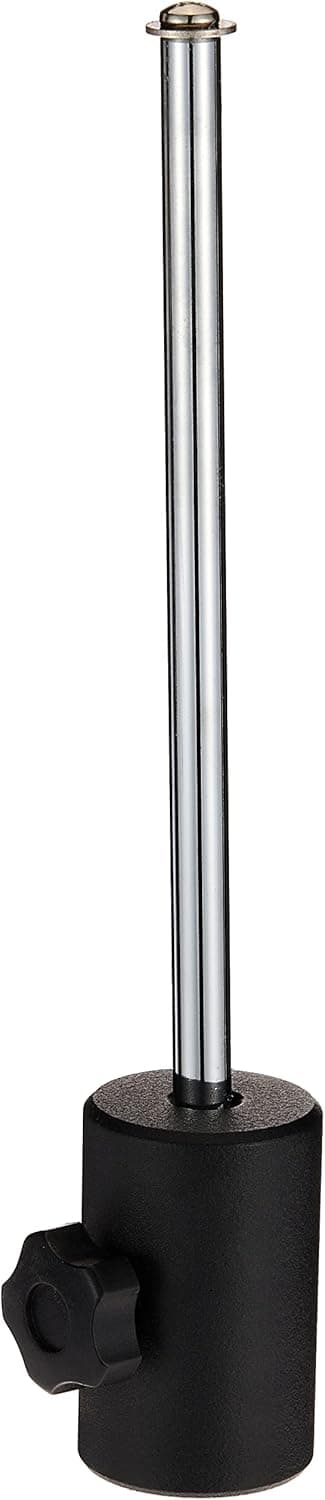
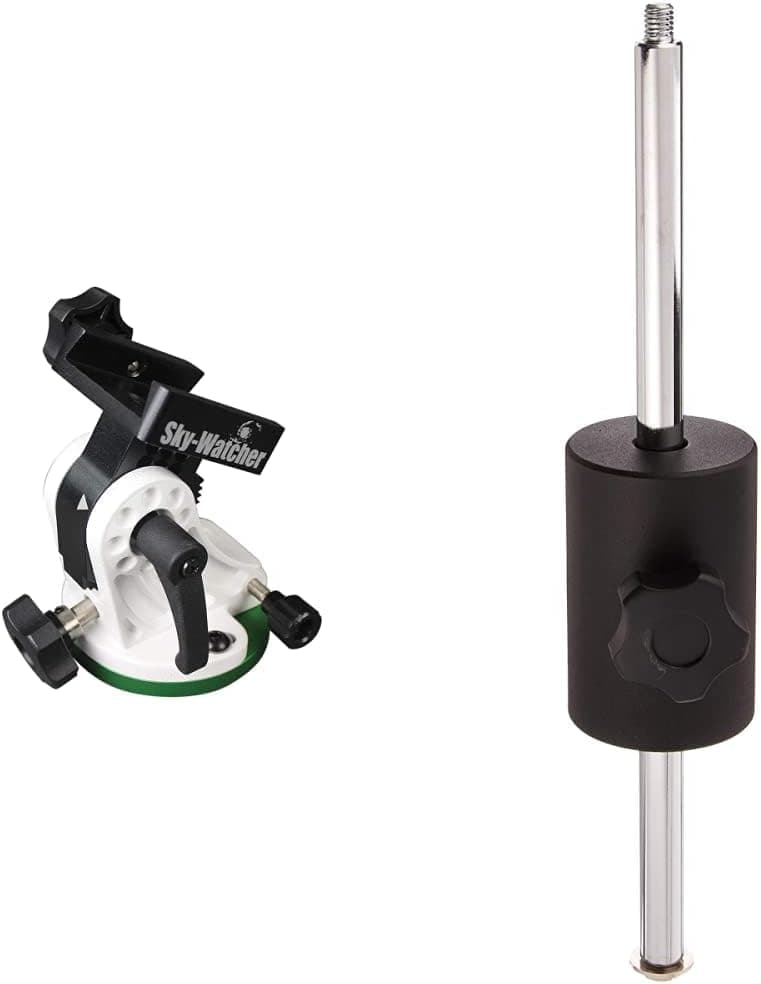
+ Latitude EQ base makes polar alignment adjustments much easier
From our guide: Best Counterweights for Balanced Equatorial Mounts (2026)
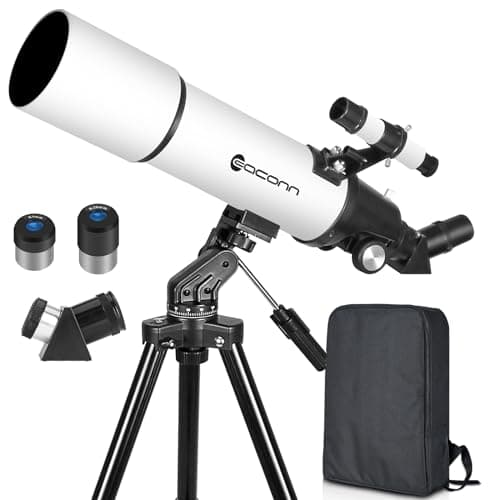
+ 80mm aperture with a fully coated glass lens, a step up in light gathering from 70mm travel scopes
From our guide: Best Refractor Telescopes for Sharp Views (2026)
+ Balances camera and lens loads for smoother Star Adventurer tracking
From our guide: Best Counterweights for Balanced Equatorial Mounts (2026)
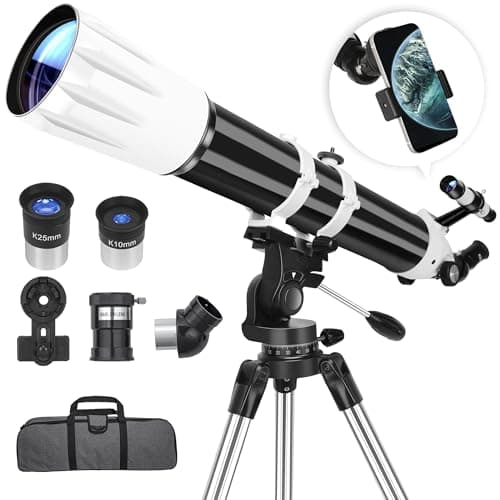
+ 90mm aperture with full multi-layer coatings gathers noticeably more light than the 70mm and 80mm refractors
From our guide: Best Refractor Telescopes for Sharp Views (2026)
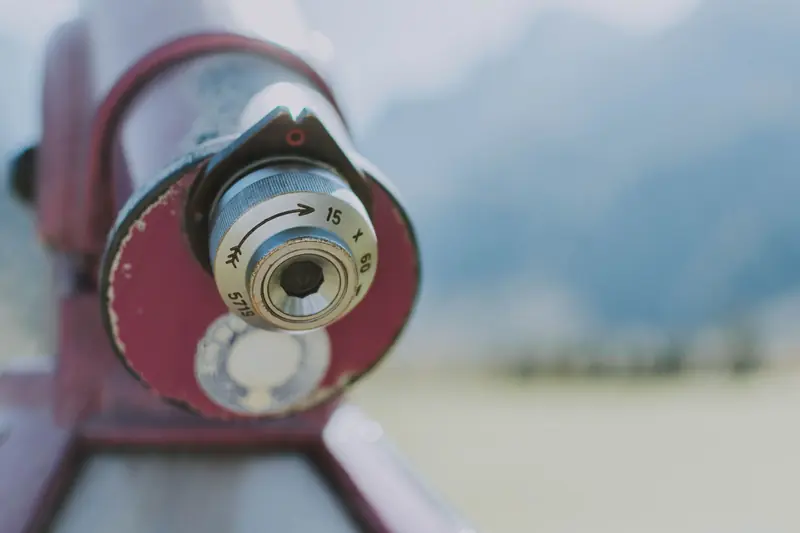
Why aperture matters: gathering light
A telescope works by collecting light and bringing it to a focus. The wider the aperture, the more light it captures, in the same way a larger bucket catches more rain. Doubling the aperture roughly quadruples the light-gathering area, because area grows with the square of the diameter. This is why a jump from a 70mm to a 140mm instrument is not a modest upgrade but a dramatic one, opening up objects that were simply invisible before.
More light does two things
More light does two things. First, it makes faint objects brighter, letting you see distant galaxies, nebulae, and star clusters that a small scope cannot reveal at all. Second, greater aperture increases resolving power, the ability to separate fine detail. That means sharper lunar craters, cleaner separation of close double stars, and more visible structure in the belts of Jupiter or the rings of Saturn.
Aperture sets a ceiling on useful magnification
Aperture also sets a practical ceiling on useful magnification. A common guideline is that a telescope can deliver roughly two times its aperture in millimeters as maximum useful power under good conditions, though the atmosphere often limits you well below that. Pushing beyond this just enlarges a blurry image without adding real detail. So the inflated magnification numbers printed on cheap telescope boxes are meaningless without the aperture to support them.
Bigger is not automatically better
Of course, bigger is not automatically better for every observer. Large apertures come in heavier, bulkier tubes that cost more, take longer to cool to the outside temperature, and demand darker skies to reach their potential. A giant telescope that stays indoors because it is a chore to move helps no one. The best aperture is the largest one you will comfortably transport and set up on a regular basis.
The beginner sweet spot: 100mm to 200mm
For beginners, an aperture somewhere between 100mm and 200mm hits a productive sweet spot. It gathers enough light to show hundreds of deep-sky objects and rich planetary detail, yet remains affordable and reasonably portable, especially in a Dobsonian mount. Smaller scopes still serve well for the Moon and bright planets or for travel, while larger ones suit dedicated observers with dark skies and storage space.
Look past the flashy power claims
When comparing telescopes, look past the flashy power claims and check the aperture first. It reliably predicts what you will actually see through the eyepiece. Once you have chosen a satisfying aperture within your budget and lifestyle, the other details fall more easily into place.
Frequently asked questions
What is telescope aperture? The diameter of the main light-gathering element, the front lens of a refractor or the primary mirror of a reflector, usually given in millimeters or inches. It is the single most important telescope specification.
Does doubling telescope aperture make a big difference? Yes, dramatically. Because area grows with the square of the diameter, doubling aperture roughly quadruples the light-gathering area, opening up objects invisible at the smaller size.
How much magnification can a telescope actually use? A common guideline is roughly two times the aperture in millimeters as maximum useful power under good conditions, though the atmosphere often limits you well below that.
What aperture is best for a beginner telescope? Somewhere between 100mm and 200mm, which gathers enough light for hundreds of deep-sky objects and rich planetary detail while staying affordable and reasonably portable.
Popular right now
- Best Intervalometers for Automated Astro Shots (2026)Buying guide
- Best Finder Scopes to Locate Targets Fast (2026)Buying guide
- Telescope Aperture and Magnification ChartArticle
- Best Star Diagonals for Comfortable Viewing (2026)Buying guide
- Best Red Flashlights to Protect Night Vision (2026)Buying guide
- Equatorial mount explainedGlossary
Based on the last 28 days of search and visitor data.