Stargazing With Kids
Published How we research
Sharing the night sky with children can spark a lifelong sense of wonder, but it works best with a little planning and realistic expectations. Kids have short attention spans, get cold quickly, and lose interest if the first views are underwhelming. Structuring a session around their needs turns stargazing into a joyful family activity rather than a test of patience.
Products from this article
The highest-scoring picks from the buying guides this article links to. Scores are our editorial assessment, not customer ratings.
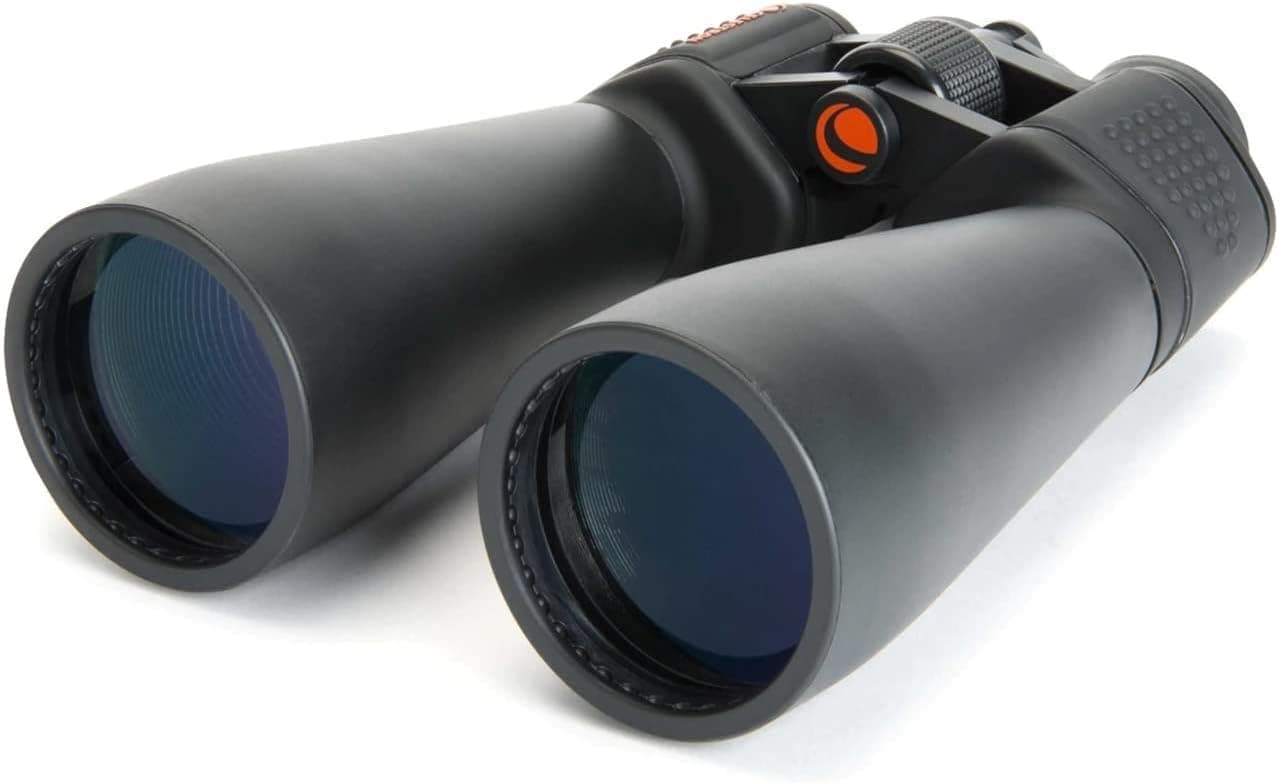
+ 80mm fully multi-coated objectives give bright, high-contrast deep-sky views
From our guide: Best Giant Binoculars for Deep-Sky Sweeps (2026)
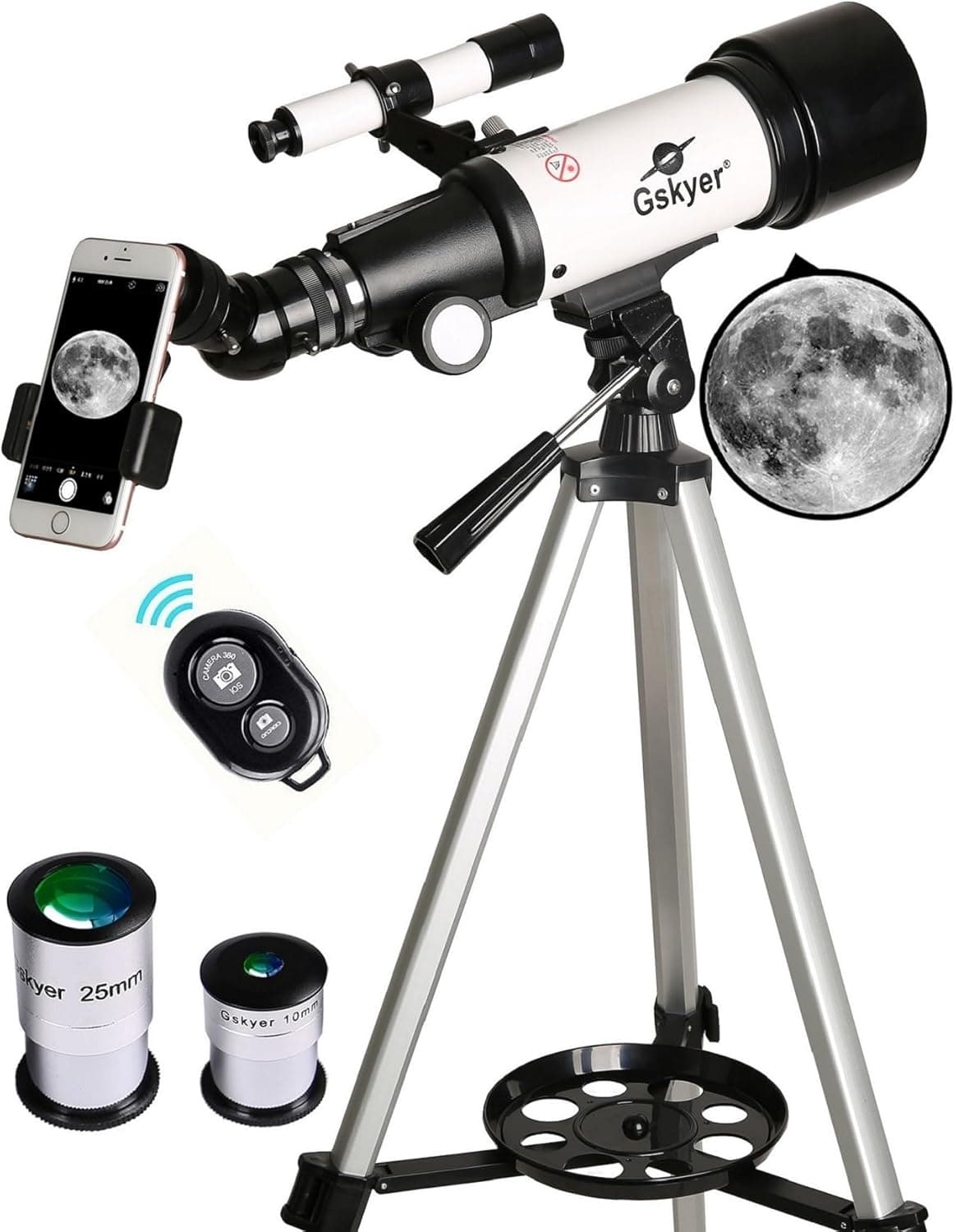
+ Carry bag keeps the scope and parts together for trips and storage
From our guide: Best Kids Telescopes for Young Stargazers (2026)
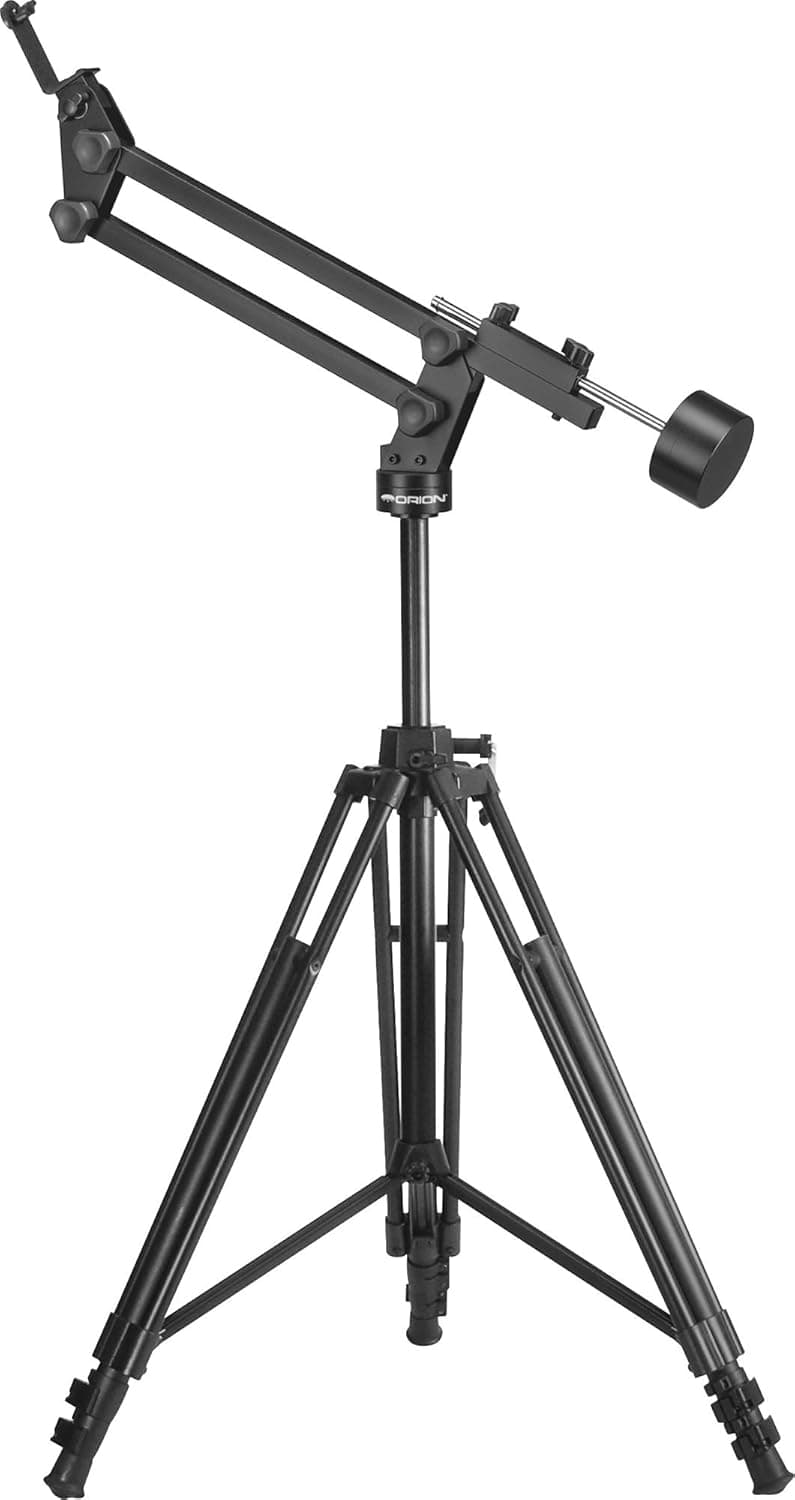
+ Parallelogram-style Paragon-Plus mount keeps binoculars on target as you change height
From our guide: Best Binocular Tripods for Shake-Free Stargazing (2026)
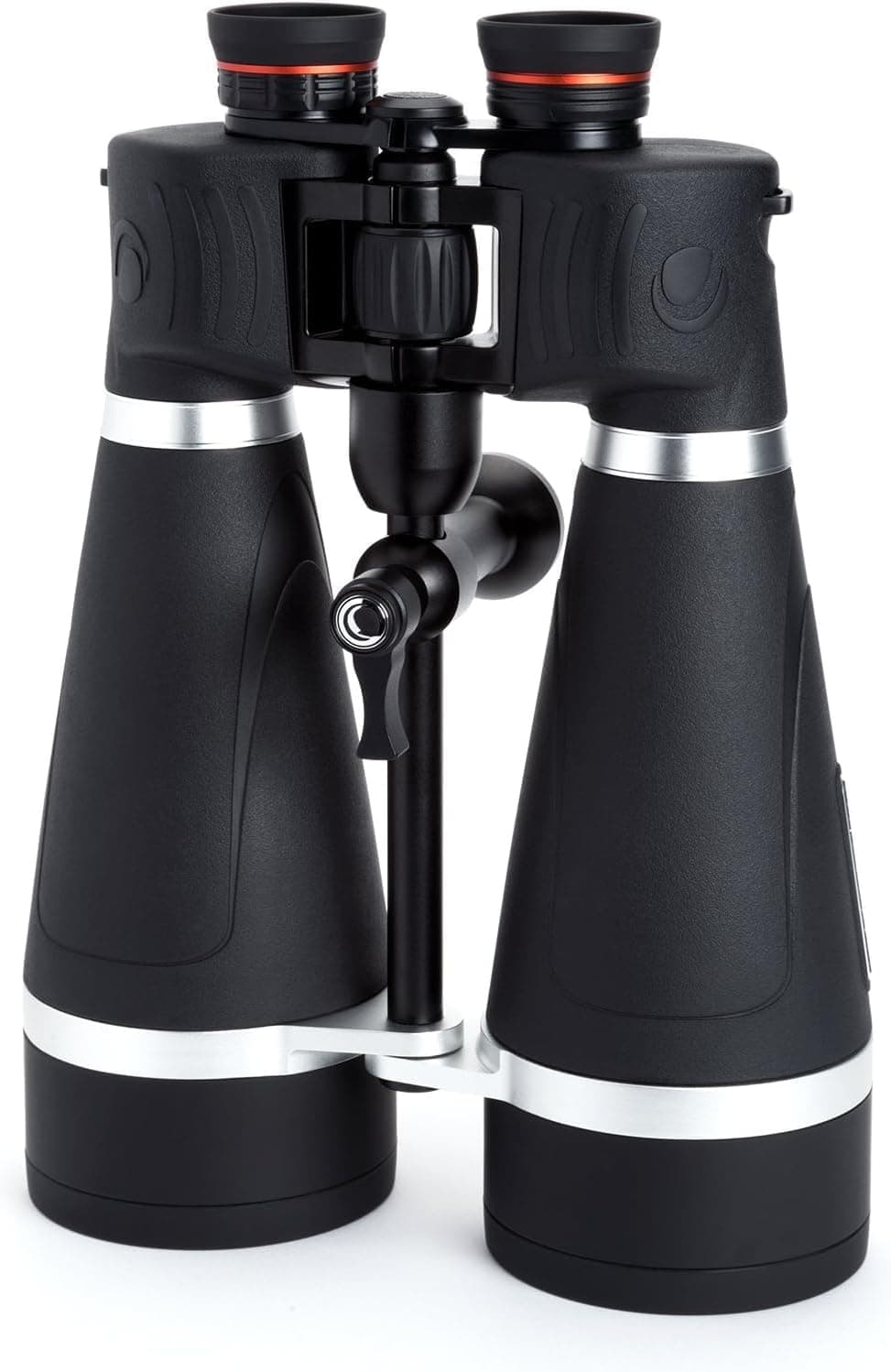
+ 70mm objectives gather lots of light for star clusters and the Milky Way
From our guide: Best Giant Binoculars for Deep-Sky Sweeps (2026)
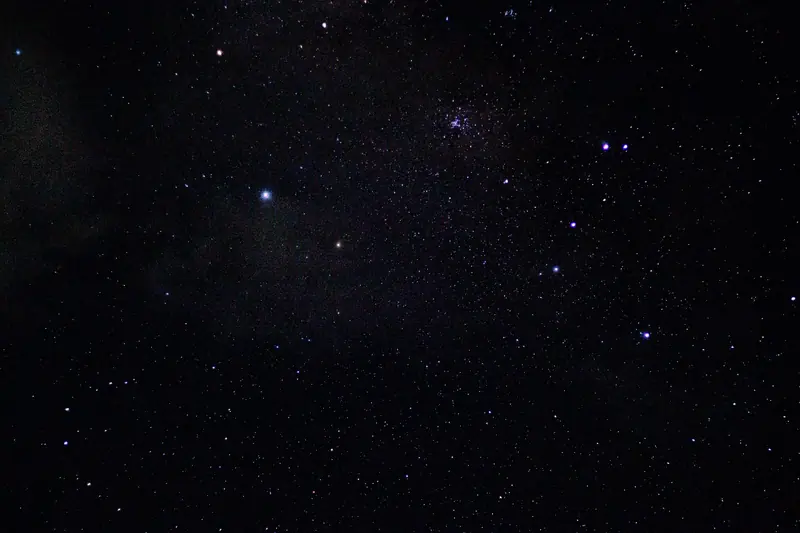
Start with the most rewarding targets, because first impressions matter enormously for young observers. The Moon is the ideal beginning: bright, detailed, and instantly recognizable, it never fails to draw an excited reaction. Saturn's rings and Jupiter's moons are also crowd-pleasers that hold real magic for children. Save faint, subtle objects for later or skip them entirely, since a fuzzy gray smudge rarely captivates a young mind the way a crisp Moon or ringed planet does.
Keep sessions short and comfortable. A child who is cold, tired, or bored will not enjoy the experience no matter how spectacular the sky. Dress everyone in more layers than seem necessary, since standing still at night gets cold fast. Bring warm drinks and something to sit on. Plan for a short session of perhaps twenty or thirty minutes rather than an ambitious marathon, and end while enthusiasm is still high so they look forward to next time.
Involve children actively rather than making them passive spectators. Let them help point the telescope, turn the focus knob, and find constellations with a simple star map or app. Binoculars are wonderful for kids because they are easy to use, show a wide view, and let children explore at their own pace. Giving them a role and a sense of discovery keeps them engaged far longer than simply telling them to look through the eyepiece.
Storytelling brings the sky to life for young minds. The constellations are full of myths and characters, and connecting patterns of stars to stories makes them memorable. Explaining that the light from a star left it long ago, or that Jupiter's moons are whole worlds, sparks the imagination. Keep explanations simple and full of wonder rather than dense with facts, and follow the child's curiosity wherever it leads.
Manage expectations and be flexible. Young children may lose interest quickly, want to look at the same object repeatedly, or suddenly be more excited by a passing satellite than by a planet. That is all fine. The goal is not a rigorous observing program but a positive, memorable experience. Meteor showers, bright passes of the space station, and simply lying back to watch for shooting stars can be more thrilling for kids than any telescope view.
Above all, keep it fun and pressure-free. Not every session needs a telescope, and some of the best family nights involve nothing more than a blanket and a dark sky. By focusing on comfort, bright targets, active involvement, and a sense of wonder, you give children a warm association with the night sky that can grow into a lasting love of astronomy.
Popular right now
- Best Intervalometers for Automated Astro Shots (2026)Buying guide
- Best Finder Scopes to Locate Targets Fast (2026)Buying guide
- Telescope Aperture and Magnification ChartArticle
- Best Star Diagonals for Comfortable Viewing (2026)Buying guide
- Best Red Flashlights to Protect Night Vision (2026)Buying guide
- Equatorial mount explainedGlossary
Based on the last 28 days of search and visitor data.