Dark Adaptation and Red Light
Published How we research
One of the most powerful tools in astronomy costs nothing: your own dark-adapted eyes. Dark adaptation is the process by which your vision becomes dramatically more sensitive in darkness, and protecting it lets you see faint objects that are otherwise invisible. Understanding how it works, and how easily it is lost, transforms what you can observe on any given night.
Products from this article
The highest-scoring picks from the buying guides this article links to. Scores are our editorial assessment, not customer ratings.
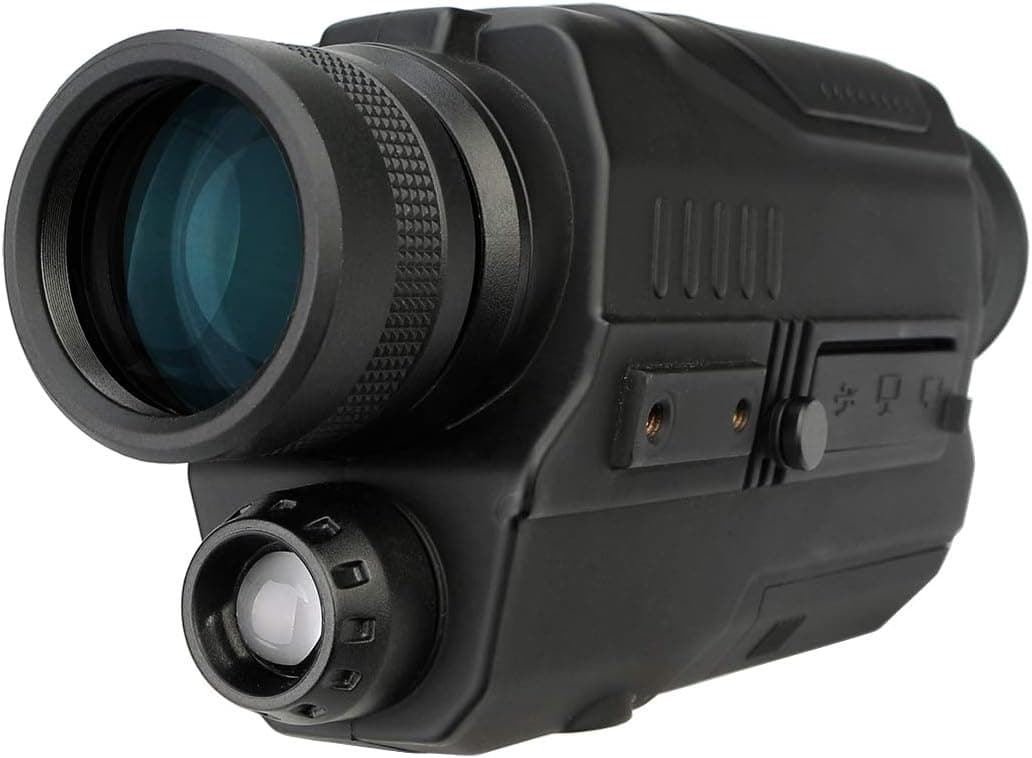
+ IP65 waterproof rating copes with rain and dewy nights outdoors
From our guide: Best Night Vision Monoculars for After-Dark Use (2026)
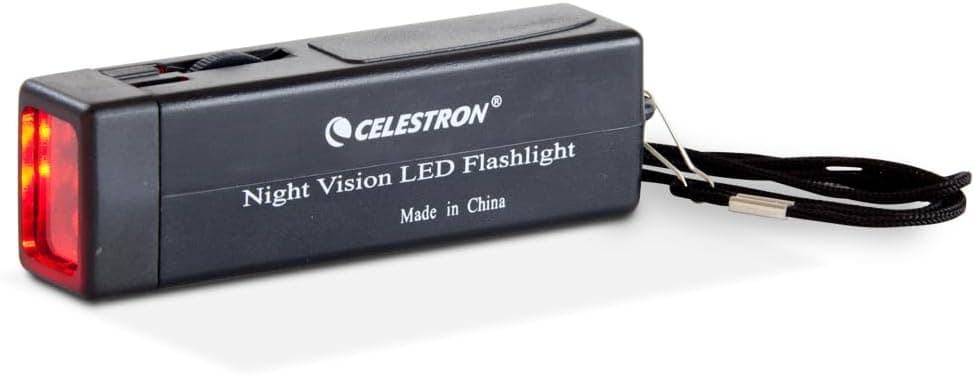
+ Variable red illumination lets you dim light to protect dark adaptation
From our guide: Best Red Flashlights to Protect Night Vision (2026)
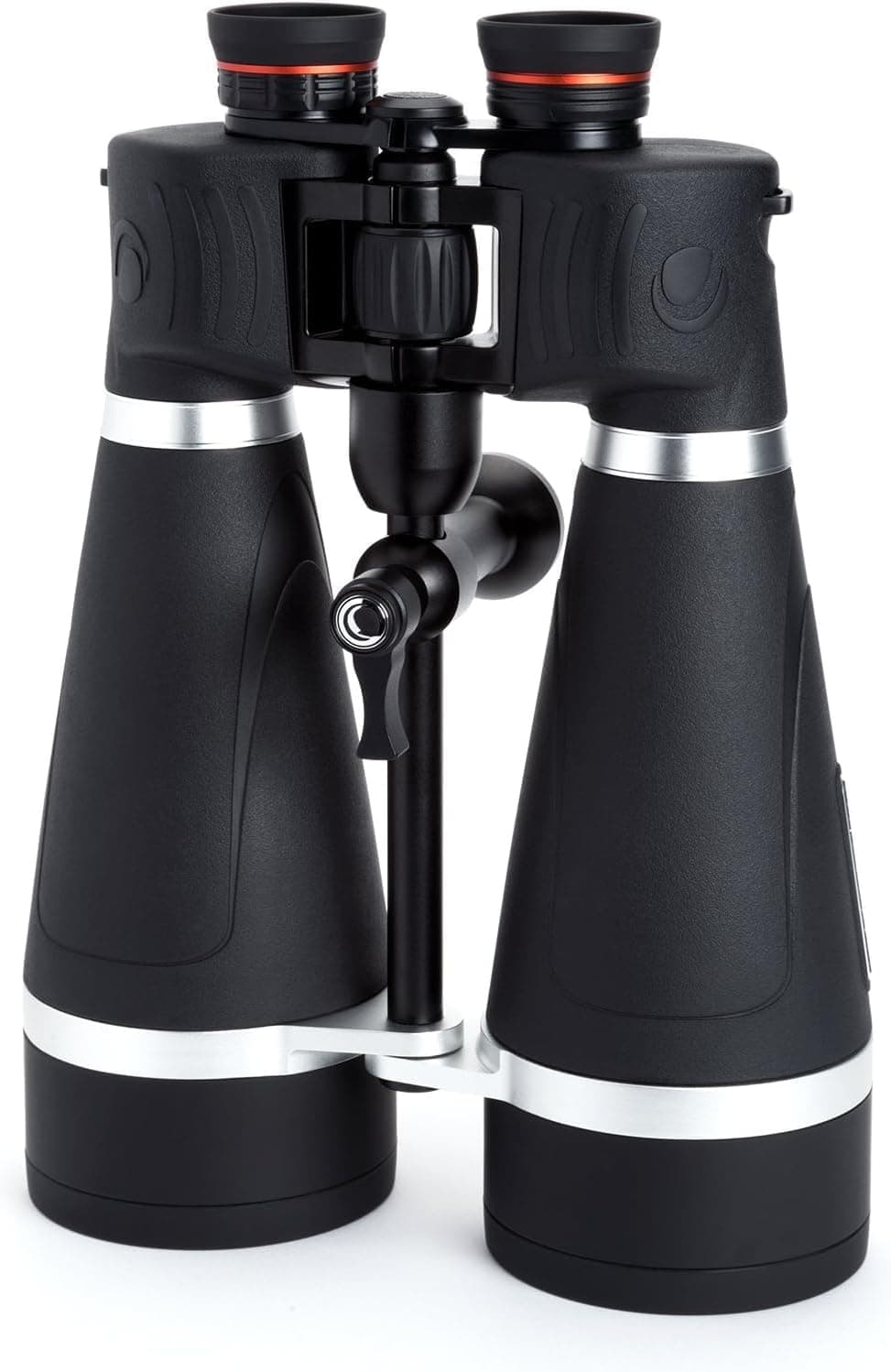
+ 80mm fully multi-coated objectives give bright, high-contrast deep-sky views
From our guide: Best Giant Binoculars for Deep-Sky Sweeps (2026)
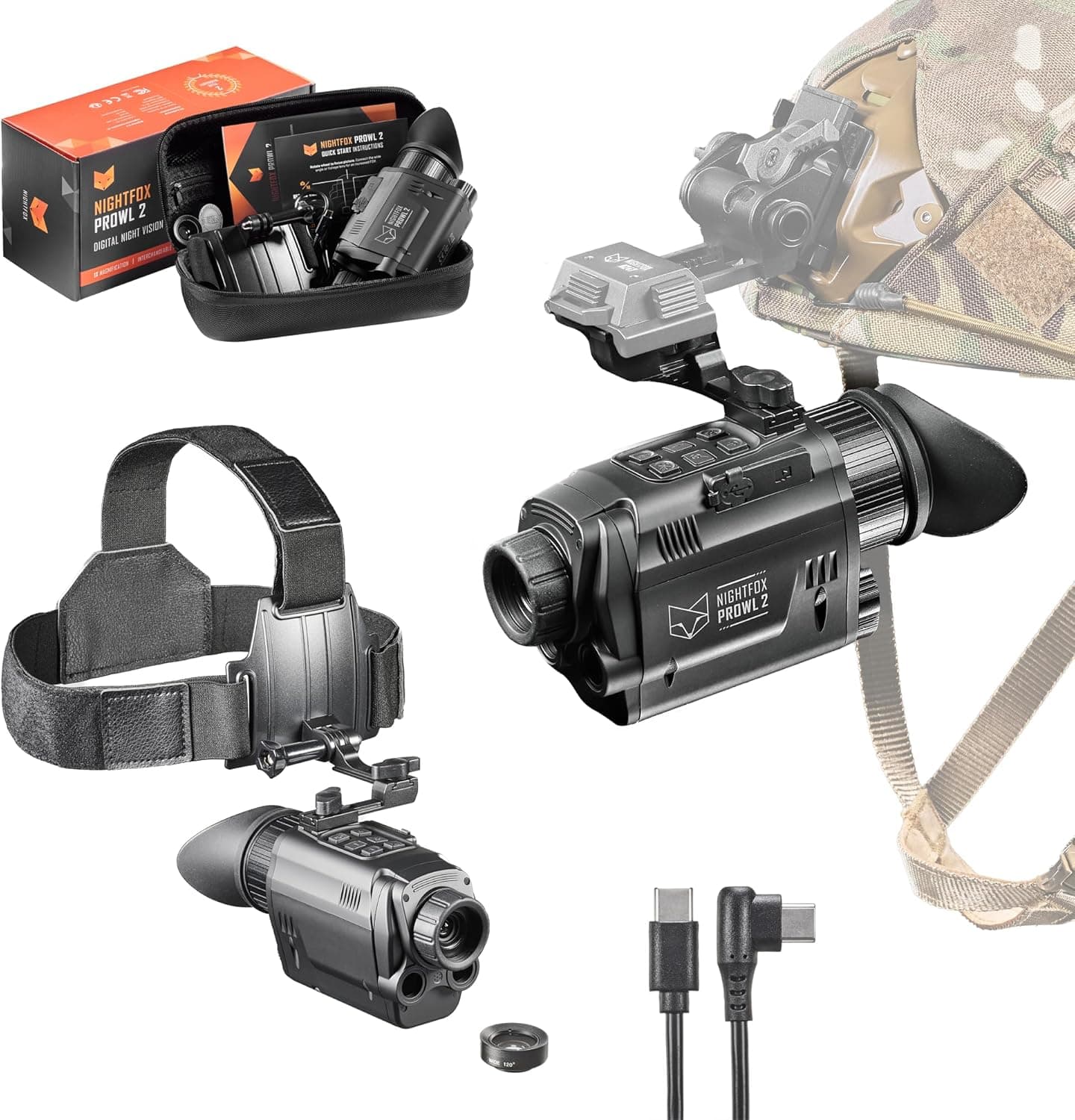
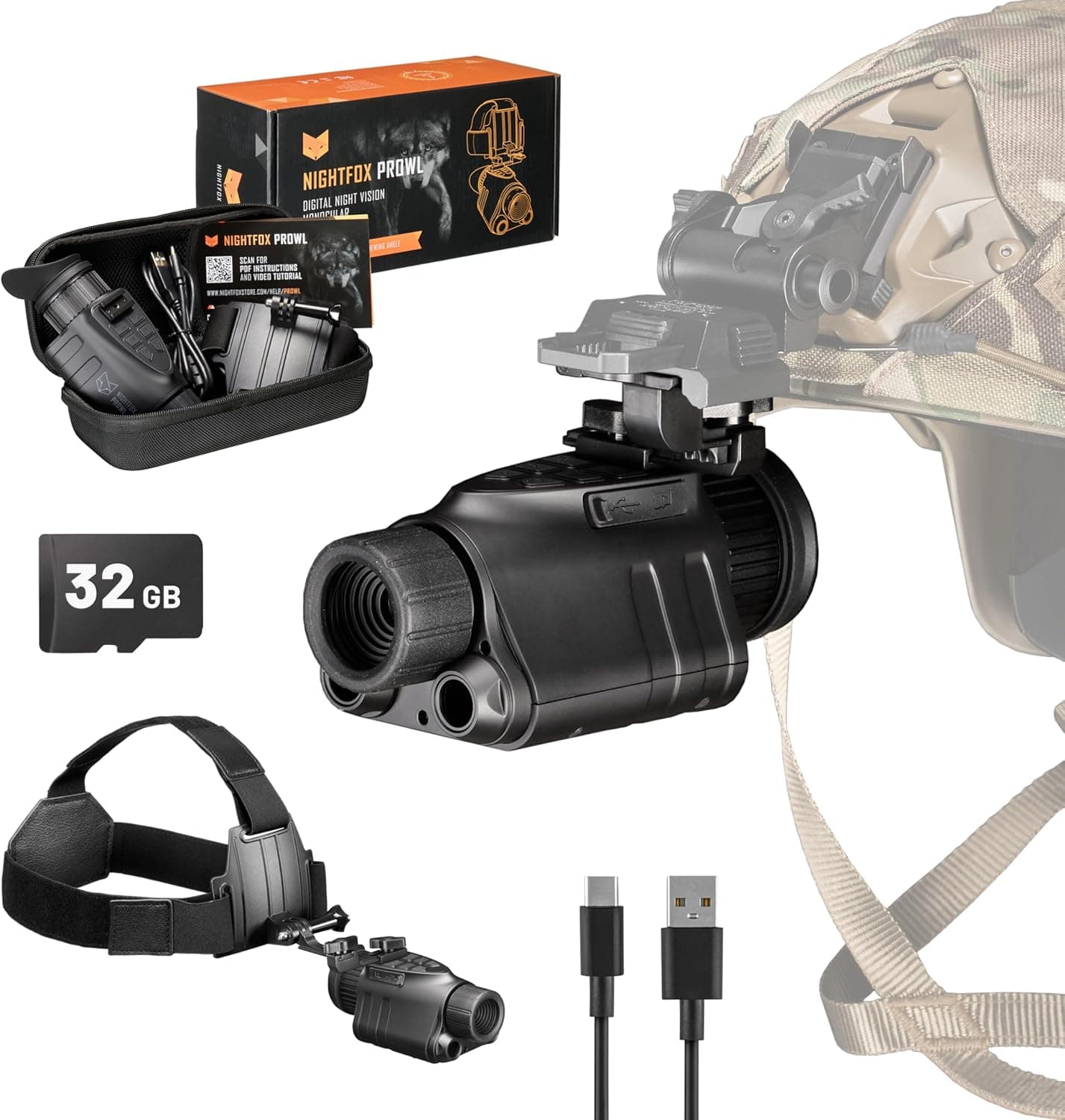
+ Head or helmet mounting leaves hands free for walking and handling gear
From our guide: Best Night Vision Monoculars for After-Dark Use (2026)

When you step outside from a lit room, your eyes are almost blind to faint stars. Over the next several minutes, your pupils widen and, more importantly, a chemical called rhodopsin builds up in the light-sensitive cells of your retina. This process greatly increases your sensitivity to dim light. Full dark adaptation takes about twenty to thirty minutes, and the improvement is enormous: faint stars and deep-sky objects gradually appear where you saw nothing before.
The catch is that dark adaptation is fragile. A single glance at a bright white light, a phone screen, or a car headlight can undo much of it in an instant, forcing you to start the twenty-minute wait all over again. This is why experienced observers are so protective of darkness at their observing sites and become frustrated when someone switches on a white light. Guarding your adaptation is a discipline that pays off in what you can see.
Red light is the solution. The eye's sensitivity to red light at low levels is much lower, so a dim red light lets you read star charts, adjust equipment, and move around without destroying your dark adaptation. This is why astronomers use red flashlights and red headlamps, and why many apps offer a red night mode. Keep the red light as dim as possible, since even red light at high brightness can affect your eyes.
Several habits maximize your night vision. Give yourself a full twenty to thirty minutes in darkness before expecting to see faint objects. Keep your phone on its dimmest red-tinted setting or, better, put it away. Shield your eyes from stray lights at your site, and if you must use a bright light, close one eye to preserve its adaptation. Avoiding bright light before your session, even indoors, helps you adapt faster once outside.
A related technique is averted vision. The most sensitive part of your retina is not the center but the area slightly off to the side. By looking a little away from a faint object rather than straight at it, you place its light on this more sensitive region, and the object often becomes visible or shows more detail. This trick, combined with good dark adaptation, reveals countless faint targets.
Dark adaptation rewards patience and discipline more than any equipment upgrade. Observers who protect their night vision consistently see fainter stars, more of a nebula's extent, and detail that others miss. The next time you head out under the stars, resist the urge to check a bright screen, give your eyes the time they need, and keep a dim red light close at hand. The sky will open up in response.
Popular right now
- Best Intervalometers for Automated Astro Shots (2026)Buying guide
- Best Finder Scopes to Locate Targets Fast (2026)Buying guide
- Telescope Aperture and Magnification ChartArticle
- Best Star Diagonals for Comfortable Viewing (2026)Buying guide
- Best Red Flashlights to Protect Night Vision (2026)Buying guide
- Equatorial mount explainedGlossary
Based on the last 28 days of search and visitor data.