Telescope Mounts Explained
Published How we research
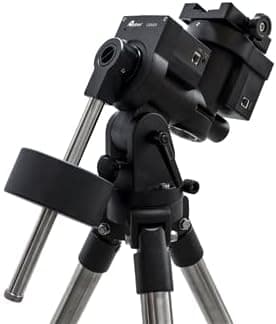
A telescope is only as good as the mount that holds it. Even superb optics become frustrating on a shaky or awkward mount, because every breath of wind and every touch sends the image dancing. Understanding the main mount types helps you choose an instrument that is pleasant to use rather than a source of constant fiddling.
Products from this article
The highest-scoring picks from the buying guides this article links to. Scores are our editorial assessment, not customer ratings.
+ Belt-driven motors reduce backlash for smoother, quieter tracking
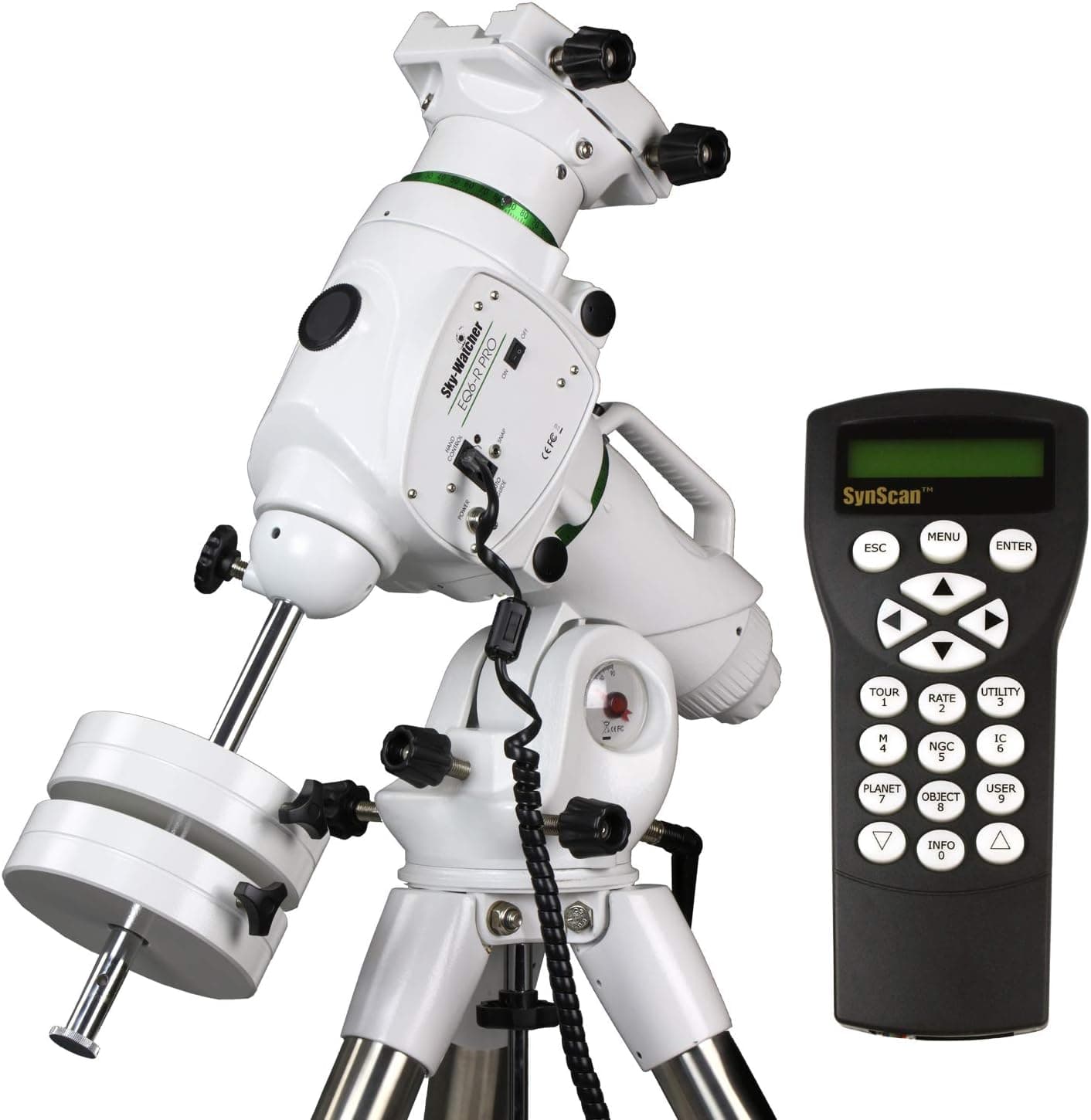
From our guide: Best Equatorial Mounts for Tracking the Sky (2026)
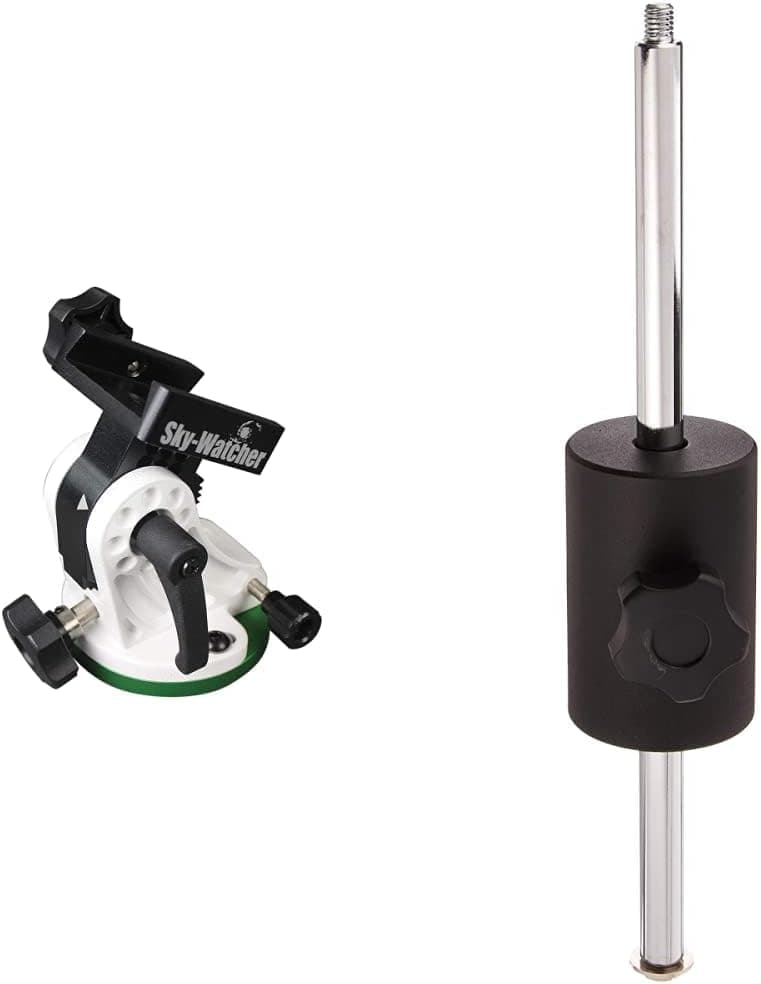
+ Latitude EQ base makes polar alignment adjustments much easier
From our guide: Best Counterweights for Balanced Equatorial Mounts (2026)
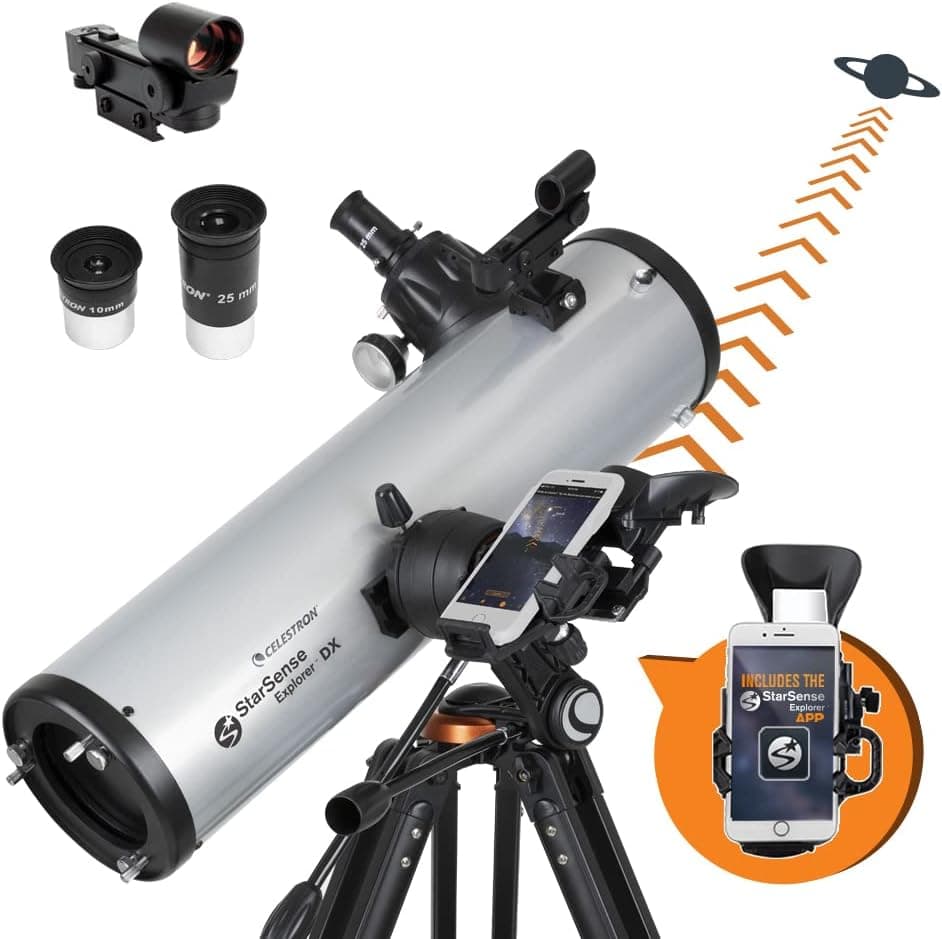
+ DX mount with slow-motion controls is steadier than the LT line
From our guide: Best Beginner Telescopes for a Great First Night (2026)
+ 27lb payload handles popular refractors and small reflectors for imaging
From our guide: Best Equatorial Mounts for Tracking the Sky (2026)

The simplest design is the alt-azimuth, or alt-az, mount. It moves in two intuitive directions: up and down in altitude, and left and right in azimuth. This mirrors how we naturally point at things, which makes alt-az mounts easy for beginners to grasp. Dobsonian mounts are a rugged, ground-based form of alt-az that offers exceptional stability for the money. The main limitation is that following an object as the sky rotates requires nudging in two axes at once.
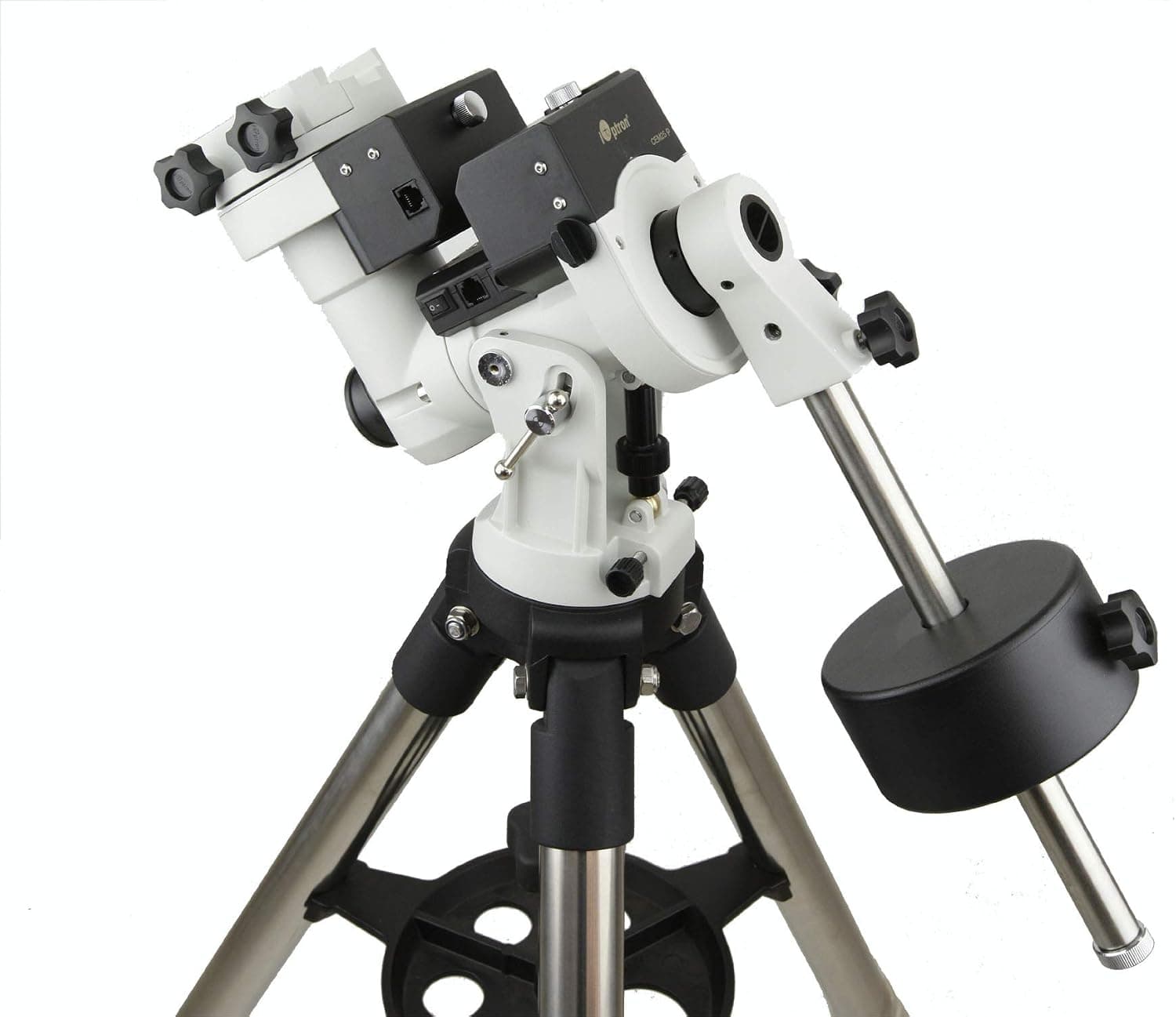
Equatorial mounts solve the tracking problem by tilting one axis to align with the Earth's axis of rotation. Once aligned to the celestial pole, you can follow any object by turning a single control, and a small motor can do this automatically. This design is favored for long-exposure astrophotography, where precise tracking is essential. The tradeoff is a steeper learning curve, extra weight from counterweights, and the need to align the mount to the pole each session.
GoTo mounts add motors and a computerized controller that can automatically slew to thousands of objects from a built-in database. After a short alignment routine using a few known stars, you simply select a target and the mount points to it. For those who struggle to find faint objects by hand, or who observe from light-polluted areas where few guide stars are visible, GoTo can transform the experience. Many modern versions connect to a phone app for control.
GoTo convenience comes at a price in both money and self-reliance. These mounts need power, take time to align, and can fail to find objects if the initial setup is sloppy. Some observers also feel that letting a computer do the pointing removes part of the satisfaction of learning the sky. Battery management and firmware quirks add small ongoing hassles that manual mounts avoid entirely.
Your choice should reflect your priorities. For casual visual observing on a budget, a Dobsonian or basic alt-az mount is stable, cheap, and simple. For serious astrophotography, a solid equatorial mount is the practical foundation. For observers who value quick access to many targets and do not mind the setup, a GoTo mount earns its keep. Beginners often benefit most from starting simple and learning the sky first.
Whatever you choose, prioritize sturdiness. A mount rated to carry more weight than your telescope will dampen vibrations faster and hold steady in a breeze. Skimping on the mount to afford a bigger tube is a common regret, so treat the mount as an equal partner to the optics rather than an afterthought.
Popular right now
- Best Intervalometers for Automated Astro Shots (2026)Buying guide
- Best Finder Scopes to Locate Targets Fast (2026)Buying guide
- Telescope Aperture and Magnification ChartArticle
- Best Star Diagonals for Comfortable Viewing (2026)Buying guide
- Best Red Flashlights to Protect Night Vision (2026)Buying guide
- Equatorial mount explainedGlossary
Based on the last 28 days of search and visitor data.