Solar Observing Safety
Published How we research
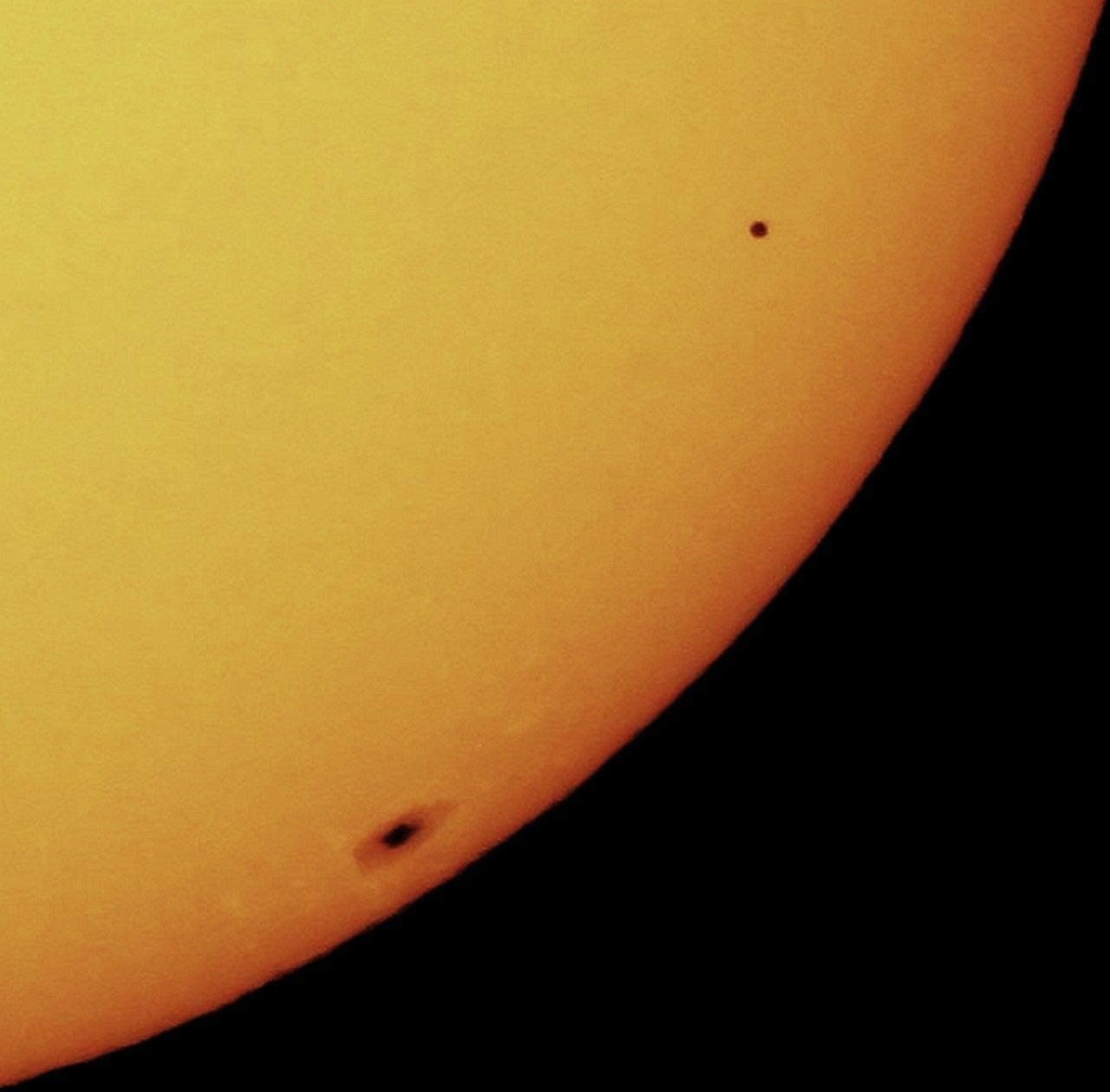
Observing the Sun is one of the most fascinating branches of amateur astronomy, but it is also the only one where a mistake can cause permanent, instant harm. The Sun's light is intense enough to blind you and to destroy equipment in seconds. This article explains how to observe the Sun safely, and just as importantly, which dangerous methods you must never attempt.
Products from this article
The highest-scoring picks from the buying guides this article links to. Scores are our editorial assessment, not customer ratings.
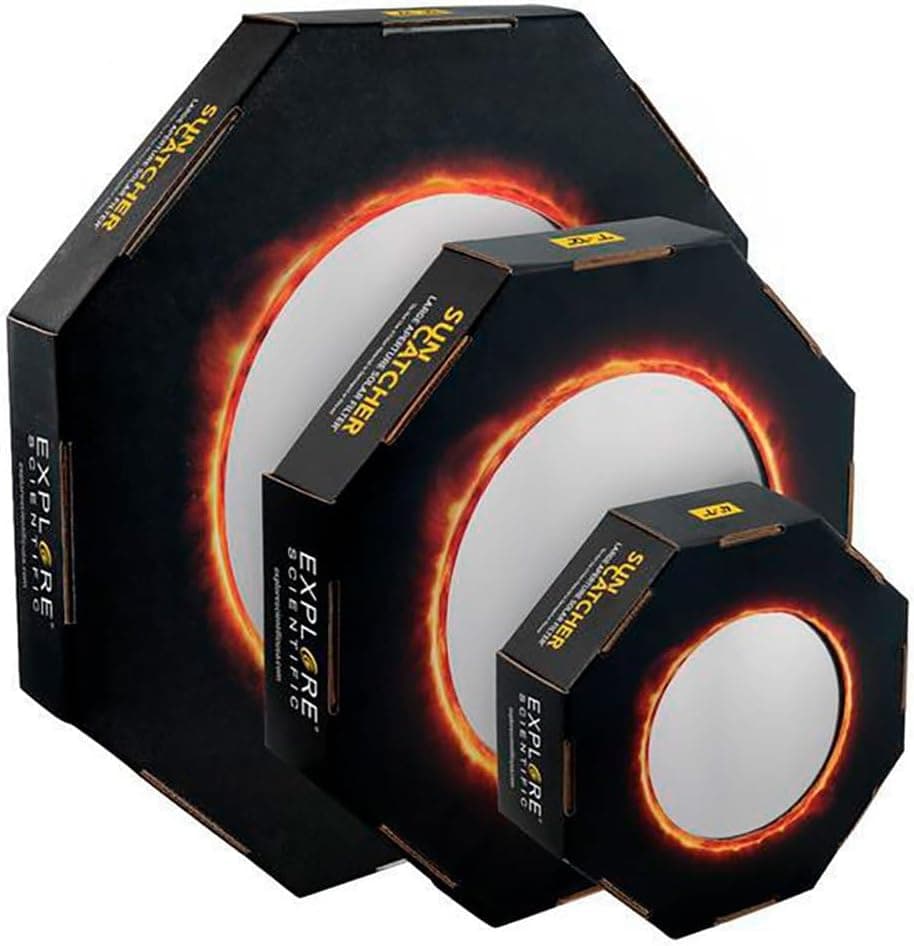
+ Sheet lets you build a custom full-aperture filter sized to your instrument
From our guide: Best Solar Filters for Safe Sun Observing (2026)
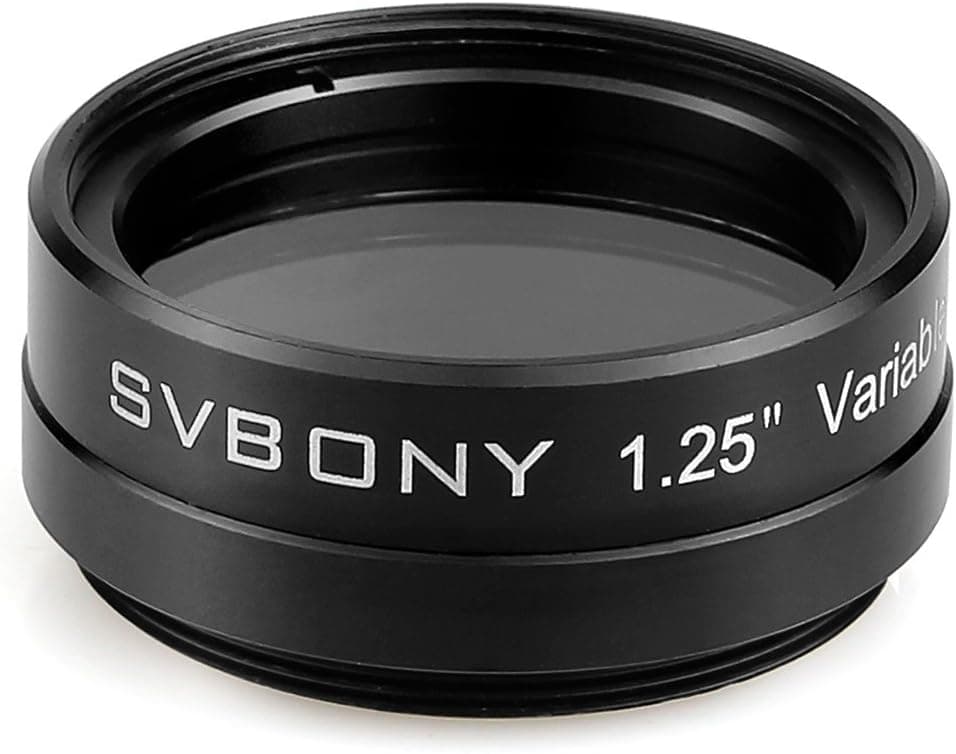
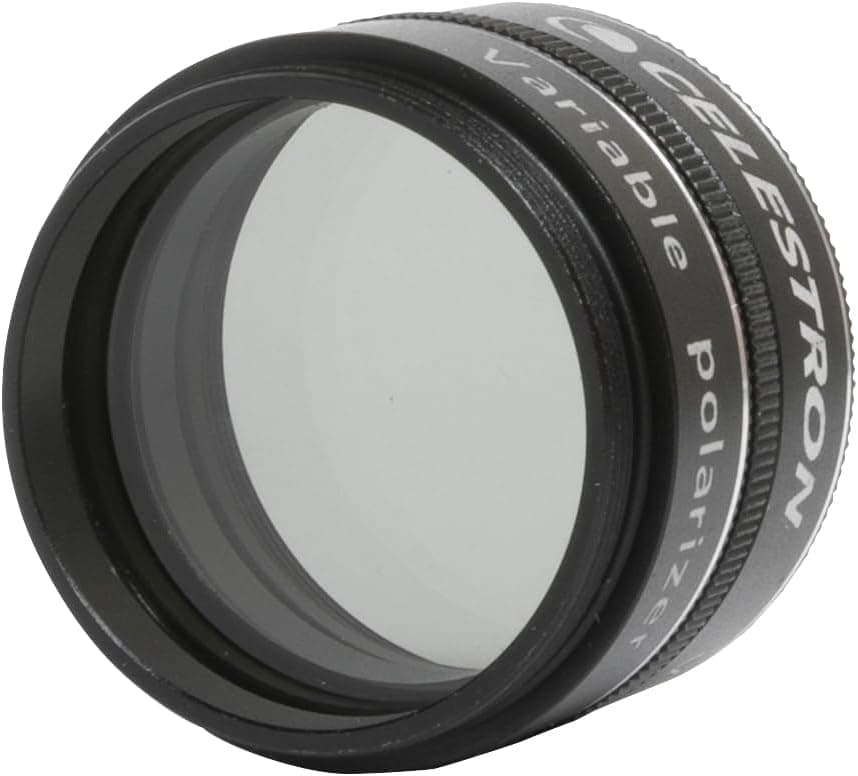
+ Variable polarizer lets you dial in exactly the right lunar brightness
From our guide: Best Moon Filters for Comfortable Lunar Views (2026)
+ Ready-made front filter avoids DIY film mounting mistakes
From our guide: Best Solar Filters for Safe Sun Observing (2026)
+ Variable density adjusts brightness for the Moon, Venus and bright planets
From our guide: Best Moon Filters for Comfortable Lunar Views (2026)
The fundamental rule is absolute: never look at the Sun through any telescope or binoculars without a proper, purpose-made solar filter, and never look at the Sun directly through an optical instrument even for an instant. A telescope concentrates sunlight to a scorching intensity, and an unfiltered glance through one can cause immediate, irreversible eye damage with no warning pain. There is no safe way to sneak a quick look, and this warning cannot be overstated.
The correct equipment is a full-aperture solar filter that fits securely over the front of the telescope, blocking all but a tiny, safe fraction of sunlight before it enters the tube. These filters are made from certified solar film or glass designed specifically for this purpose. Always inspect the filter for pinholes, scratches, or damage before every use, and make sure it is firmly attached so it cannot fall or be knocked off while you observe.
Be aware of dangerous methods that must be avoided entirely. Never use the small screw-in solar filters that once came with cheap telescopes and thread onto the eyepiece; these sit where sunlight is most concentrated and can crack from the heat without warning, instantly exposing your eye. Never improvise with sunglasses, smoked glass, exposed film, or other homemade filters, none of which block the invisible infrared and ultraviolet radiation that can harm your eyes.
A completely safe alternative that requires no filter is projection, though it must be done carefully. With a suitable telescope, you can project the Sun's image onto a white card held behind the eyepiece, letting a group view sunspots without anyone looking through the instrument. However, projection can overheat and damage some telescopes, particularly those with cemented lenses, so check that your instrument is suitable and never leave it pointed at the Sun unattended.
With proper filtration, the Sun rewards observation richly. Sunspots, cooler regions on the solar surface, come and go over days and reveal the Sun's activity cycle. Specialized hydrogen-alpha telescopes, which are dedicated solar instruments, show prominences and flares arcing off the Sun's edge, though these are a significant investment. Even a simple white-light filter on a regular telescope makes tracking sunspots a rewarding, ongoing pursuit.
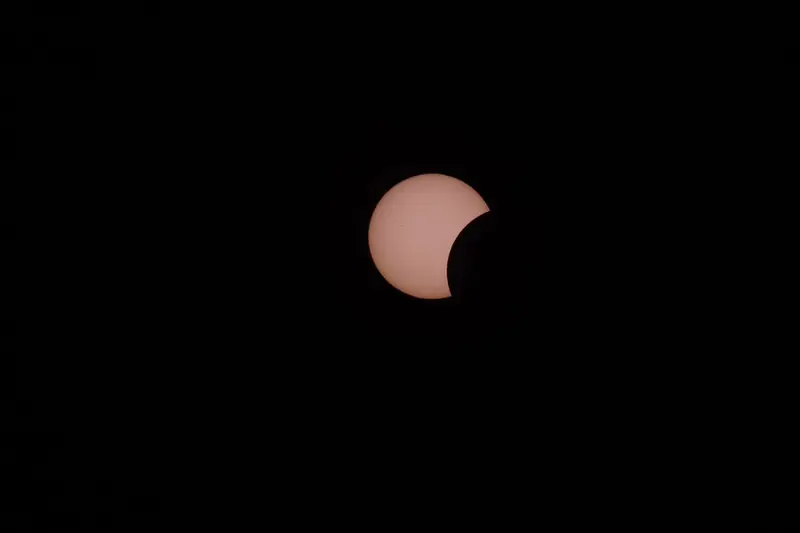
Solar eclipses deserve special care, since they draw many casual observers. During the partial phases of any eclipse, the same rules apply: use only certified solar filters or eclipse glasses. Only during the brief moments of total eclipse, when the Sun's disk is completely covered, is it safe to look directly, and you must resume protection the instant the bright surface reappears. Approached with discipline and the right equipment, solar observing is safe, but it demands respect for the Sun's power at every moment.
Popular right now
- Best Intervalometers for Automated Astro Shots (2026)Buying guide
- Best Finder Scopes to Locate Targets Fast (2026)Buying guide
- Telescope Aperture and Magnification ChartArticle
- Best Star Diagonals for Comfortable Viewing (2026)Buying guide
- Best Red Flashlights to Protect Night Vision (2026)Buying guide
- Equatorial mount explainedGlossary
Based on the last 28 days of search and visitor data.