Smart Telescopes Explained
Published How we research
A smart telescope is a compact automated scope with no eyepiece, controlled by a phone app. It uses motors and plate solving to point itself, then a built-in camera stacks short exposures so faint galaxies and nebulae brighten on your screen over a minute or two. Strengths: fast setup, and light pollution matters far less. Tradeoffs: you never see the object directly, it is weaker on the Moon and planets, and long-term usefulness depends on continued app support. Smart telescopes are a recent category that has changed how many newcomers approach astronomy. These are compact, automated instruments controlled entirely through a smartphone app, with no eyepiece to look through. Instead of viewing objects directly, you see a live, brightening image on your screen as the telescope's camera stacks exposures. Understanding how they work helps you decide whether one fits your goals.
Products from this article
The highest-scoring picks from the buying guides this article links to. Scores are our editorial assessment, not customer ratings.
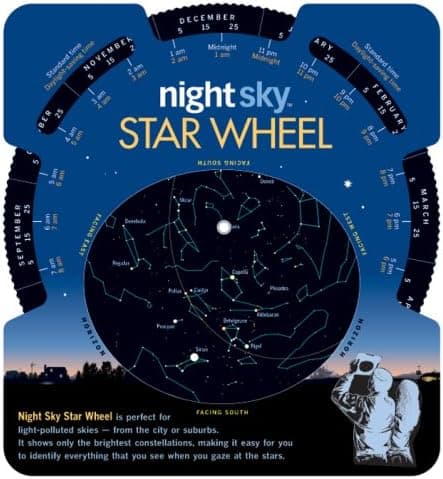
+ Rotating wheel shows visible constellations for any date and time
From our guide: Best Planispheres
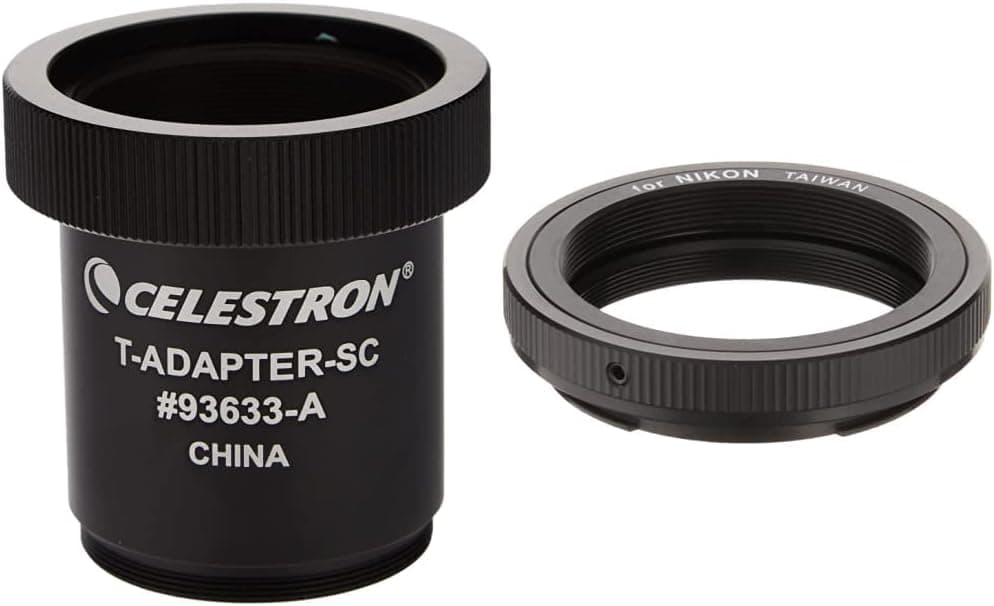
+ Bundle includes both SCT T-adapter and Nikon T-ring for a complete connection
From our guide: Best DSLR T-Adapters for Prime-Focus Imaging (2026)
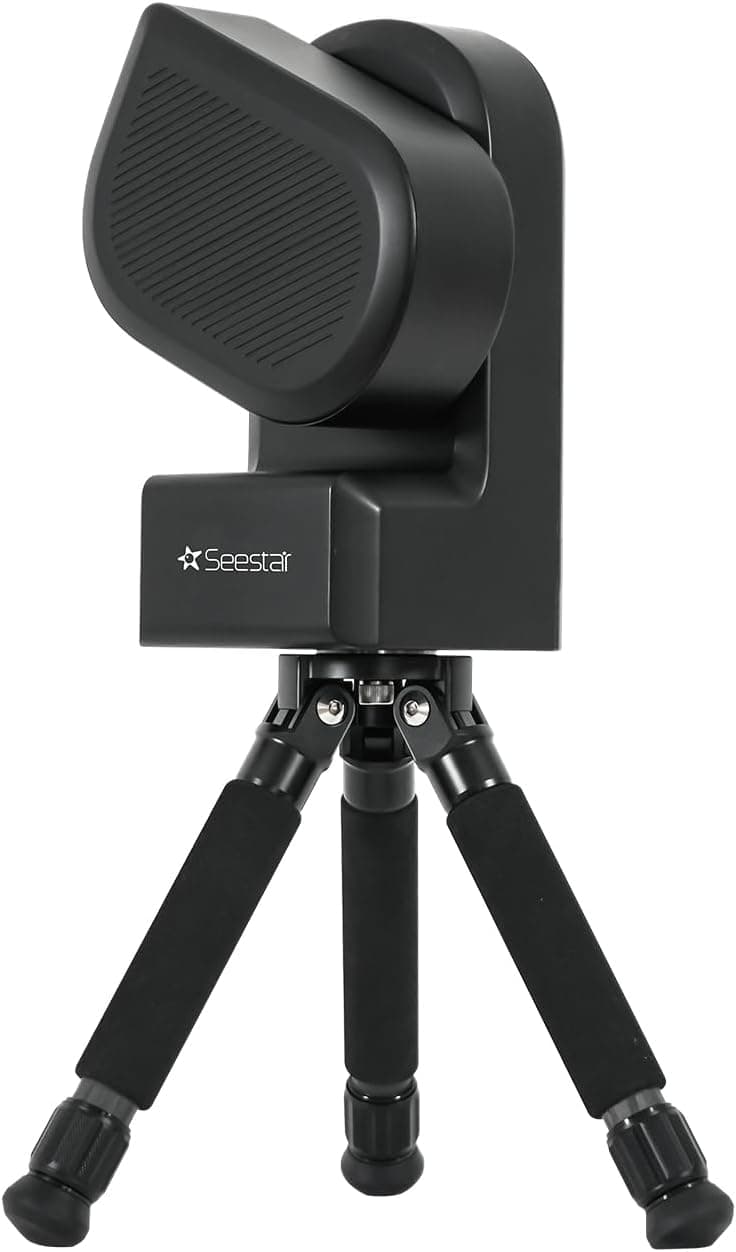
+ Portable package is quick to set up on a balcony or at a dark-sky site
From our guide: Best Smart Telescopes for Instant Astrophotography (2026)
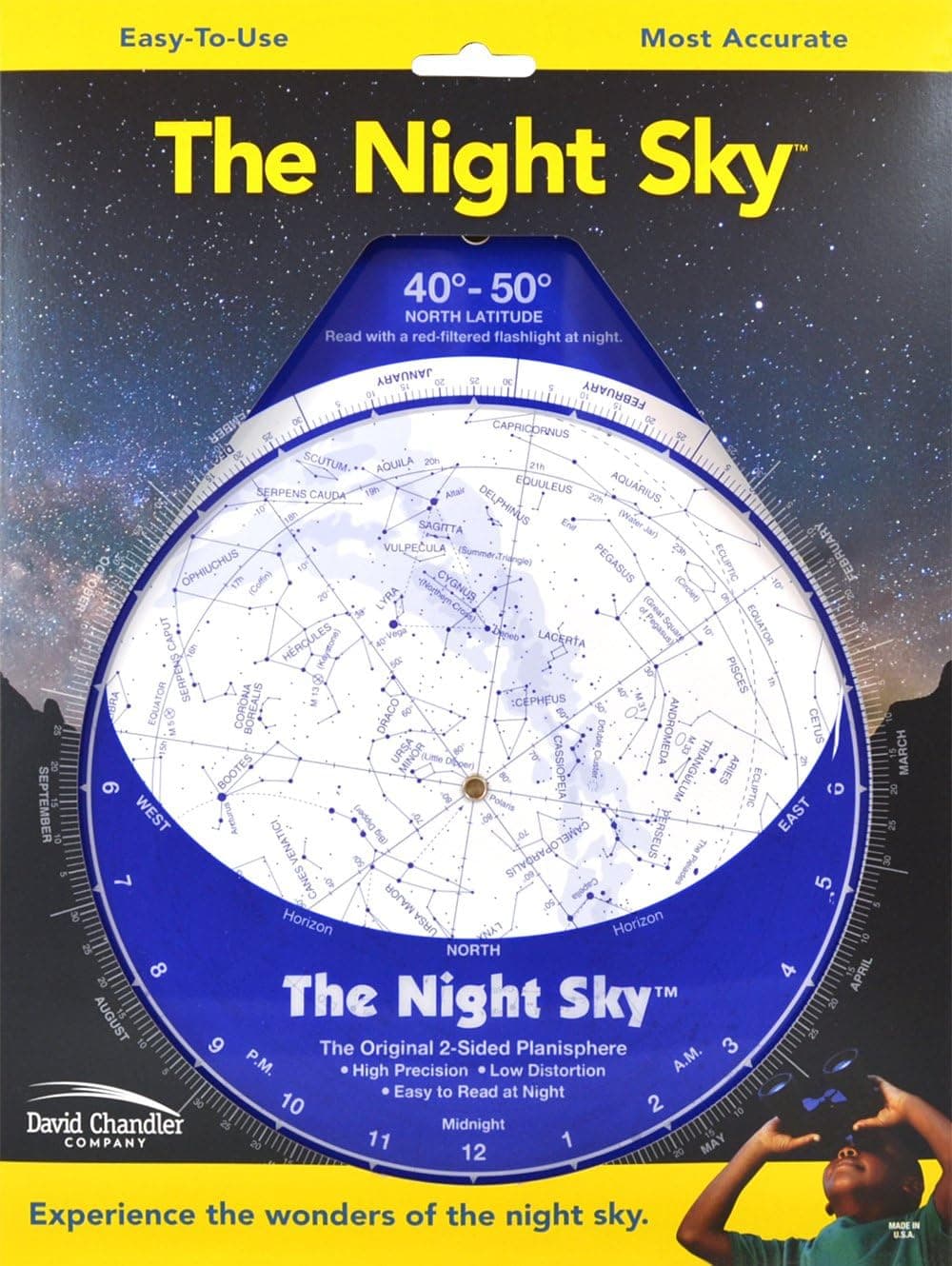
+ 40 to 50 degrees range suits much of the northern US and Europe
From our guide: Best Planispheres
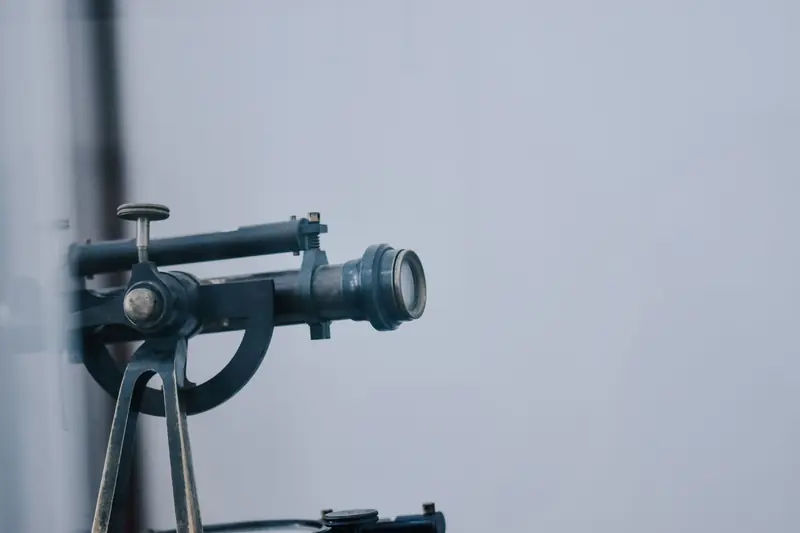
Automation combined with digital imaging
The core idea is automation combined with digital imaging. A smart telescope uses motors and a built-in camera, along with a technique called plate solving, to identify star patterns and point itself precisely at any object you select in the app. Within seconds it locates the target, then begins capturing and stacking short exposures. Over a minute or two, faint galaxies and nebulae emerge on your screen far brighter than the eye could ever see them.
Real strengths: fast setup and light-pollution resistance
This approach has real strengths. Setup is remarkably fast, often just a matter of placing the scope on its tripod and letting it align itself. Light pollution is far less of an obstacle because the camera and stacking software pull faint objects out of the glow, so smart telescopes can show galaxies and nebulae even from city backyards where visual observing would fail. The ease of use makes them appealing to families and complete beginners.
The tradeoffs: no eyepiece, weaker on planets
There are important tradeoffs, however. Because there is no eyepiece, you never see the object with your own eye directly; you see a processed image on a screen. Some people find this less magical than the direct connection of traditional observing, while others appreciate the vivid, colorful results. Smart telescopes also excel at deep-sky objects but are generally weaker on the Moon and planets, where their small apertures and imaging approach are less suited.
Cost and longevity
Cost and longevity are worth considering. Smart telescopes occupy a mid-to-high price range, comparable to a decent traditional telescope with accessories. Because they rely heavily on software and apps, their long-term usefulness depends on continued manufacturer support and updates. A traditional telescope, by contrast, is a simple optical instrument that will work for decades regardless of software trends.
Who smart telescopes shine for
Smart telescopes shine for a particular kind of user. If you value convenience, observe from a light-polluted area, want quick results to share, or are drawn to seeing colorful galaxies and nebulae without a steep learning curve, a smart telescope delivers impressively. They are also excellent for outreach and for introducing children to astronomy, since the instant, on-screen results hold attention.
Who should look elsewhere
They are less ideal for those who crave the traditional experience of finding objects by hand and viewing ancient light directly through an eyepiece, or for serious planetary observers. Many enthusiasts eventually own both a smart telescope for effortless deep-sky imaging and a conventional scope for hands-on visual work. Deciding between them comes down to whether you most want a screen full of processed detail or the quiet thrill of light meeting your own eye.
Frequently asked questions
How does a smart telescope work? Motors and plate solving point it precisely at any object you select in the app, then a built-in camera captures and stacks short exposures so faint galaxies and nebulae emerge on your screen far brighter than the eye could see.
Can a smart telescope beat light pollution? Largely, yes. The camera and stacking software pull faint objects out of the glow, so a smart telescope can show galaxies and nebulae even from a city backyard where visual observing would fail.
What are the downsides of a smart telescope? There is no eyepiece, so you only ever see a processed image on a screen; they are weaker on the Moon and planets; and their long-term usefulness depends on continued manufacturer app support.
Should I buy a smart telescope or a traditional one? A smart telescope if you value convenience, observe from a light-polluted area, and want colourful deep-sky results to share. A traditional scope if you want to find objects by hand, view directly through an eyepiece, or do serious planetary observing.
Popular right now
- Best Intervalometers for Automated Astro Shots (2026)Buying guide
- Best Finder Scopes to Locate Targets Fast (2026)Buying guide
- Telescope Aperture and Magnification ChartArticle
- Best Star Diagonals for Comfortable Viewing (2026)Buying guide
- Best Red Flashlights to Protect Night Vision (2026)Buying guide
- Equatorial mount explainedGlossary
Based on the last 28 days of search and visitor data.