Observing the Moon Through a Telescope
Published How we research
The Moon is the most rewarding target in the entire sky for beginners, and it remains fascinating even for lifelong observers. It is bright, easy to find, unaffected by light pollution, and packed with detail that shifts night by night. Learning to observe it well opens up a rich world of craters, mountains, and ancient lava plains right on our doorstep.
Products from this article
The highest-scoring picks from the buying guides this article links to. Scores are our editorial assessment, not customer ratings.
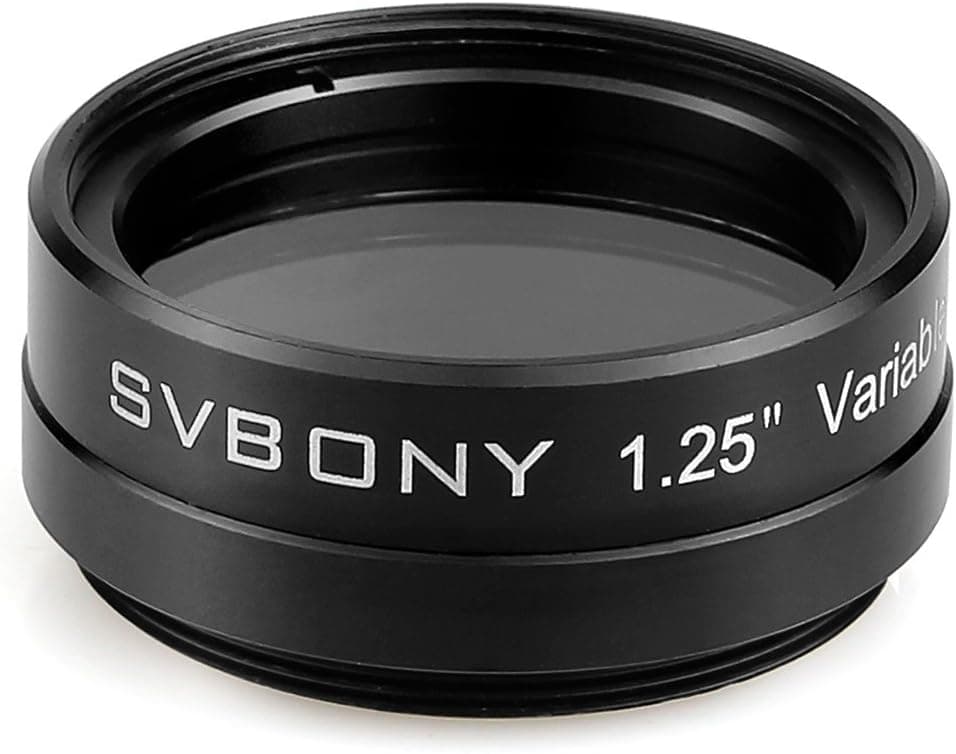
+ Variable polarizer lets you dial in exactly the right lunar brightness
From our guide: Best Moon Filters for Comfortable Lunar Views (2026)
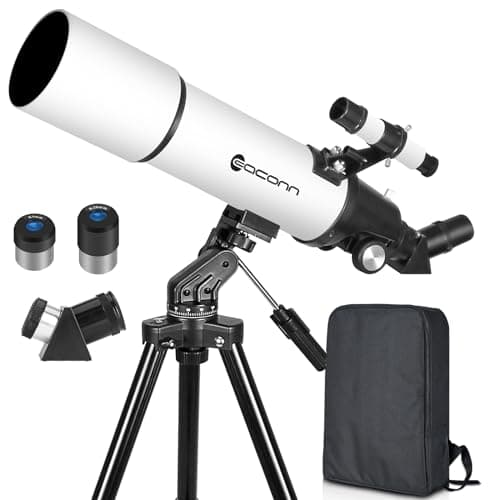
+ 80mm aperture with a fully coated glass lens, a step up in light gathering from 70mm travel scopes
From our guide: Best Refractor Telescopes for Sharp Views (2026)
+ 4th Edition content is more current than earlier printings
From our guide: Best Astronomy Books for Beginners and Beyond (2026)
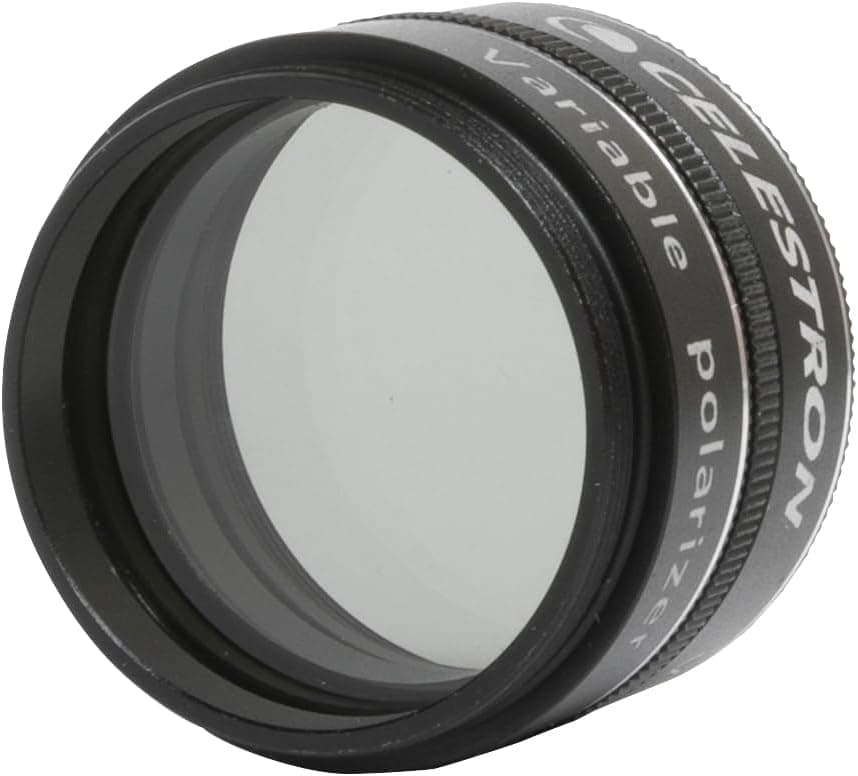
+ Variable density adjusts brightness for the Moon, Venus and bright planets
From our guide: Best Moon Filters for Comfortable Lunar Views (2026)
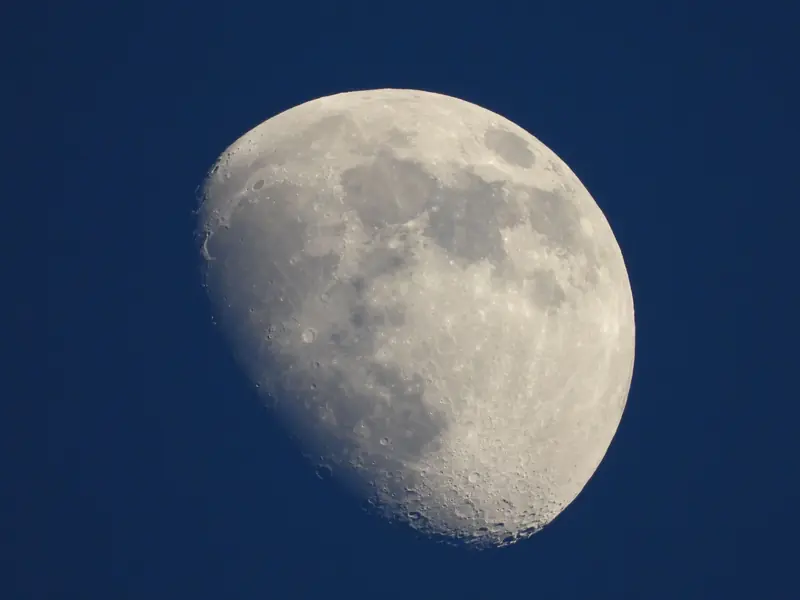
The single most important tip is to avoid the full Moon for detailed observing. When the Moon is full, sunlight strikes it head-on, flattening the landscape and washing out relief in a bright, featureless glare. The best views come during the crescent, quarter, and gibbous phases, when sunlight arrives at an angle. This is the opposite of what most beginners assume, but it makes an enormous difference.
The key to lunar detail is the terminator, the line dividing the sunlit portion from the dark. Along this boundary, the Sun is low on the lunar horizon, casting long shadows that throw craters and mountains into dramatic relief. Features near the terminator appear three-dimensional and sharply defined, while the same features look flat when the Sun is high over them. Following the terminator as it advances across the disk reveals new landscapes every night.
Specific features are worth seeking out. The large dark plains, called maria, are ancient lava flows and are visible even to the unaided eye. Bright rayed craters like Tycho and Copernicus stand out strikingly. Mountain ranges, rilles, and the walls of great craters like Clavius offer endless detail. A simple Moon map helps you identify features and turns aimless gazing into a rewarding tour.
The Moon is genuinely bright through a telescope, and its glare can be uncomfortable, particularly near full phase. A Moon filter or variable polarizing filter dims the view and improves contrast, making longer observing sessions more pleasant. Some observers simply use higher magnification, which spreads the light over a larger area and naturally reduces the glare while revealing finer detail.
Magnification on the Moon can go fairly high because the Moon is bright and does not require much light-gathering. On nights of steady air, you can push power to study individual craters and mountain peaks closely. When the atmosphere is turbulent, back off to lower magnification for a steadier image. Experimenting with different eyepieces on the same feature teaches you how seeing conditions affect the view.
Because the Moon changes phase constantly, no two observing sessions are alike, and features hidden in shadow one week are bathed in light the next. Keeping a lunar observing log, or even sketching what you see, deepens your appreciation and sharpens your eye for detail. The Moon rewards repeated visits like an old friend, always familiar yet always offering something new to discover.
Popular right now
- Best Intervalometers for Automated Astro Shots (2026)Buying guide
- Best Finder Scopes to Locate Targets Fast (2026)Buying guide
- Telescope Aperture and Magnification ChartArticle
- Best Star Diagonals for Comfortable Viewing (2026)Buying guide
- Best Red Flashlights to Protect Night Vision (2026)Buying guide
- Equatorial mount explainedGlossary
Based on the last 28 days of search and visitor data.