Observing Planets Through a Telescope
Published How we research
The planets are among the most thrilling telescope targets because they are worlds you can watch change over time, and they show genuine detail even in modest instruments. Unlike faint deep-sky objects, the bright planets shine through light pollution, making them accessible from city backyards. Knowing what each planet offers helps you plan sessions that consistently deliver.
Products from this article
The highest-scoring picks from the buying guides this article links to. Scores are our editorial assessment, not customer ratings.
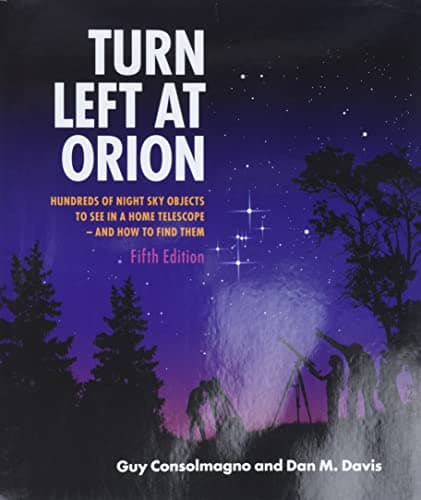
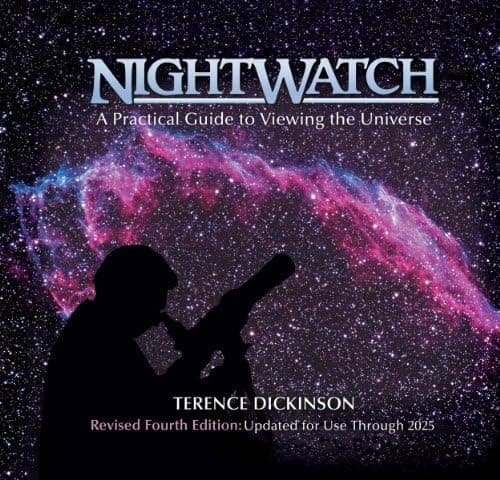
+ 4th Edition content is more current than earlier printings
From our guide: Best Astronomy Books for Beginners and Beyond (2026)
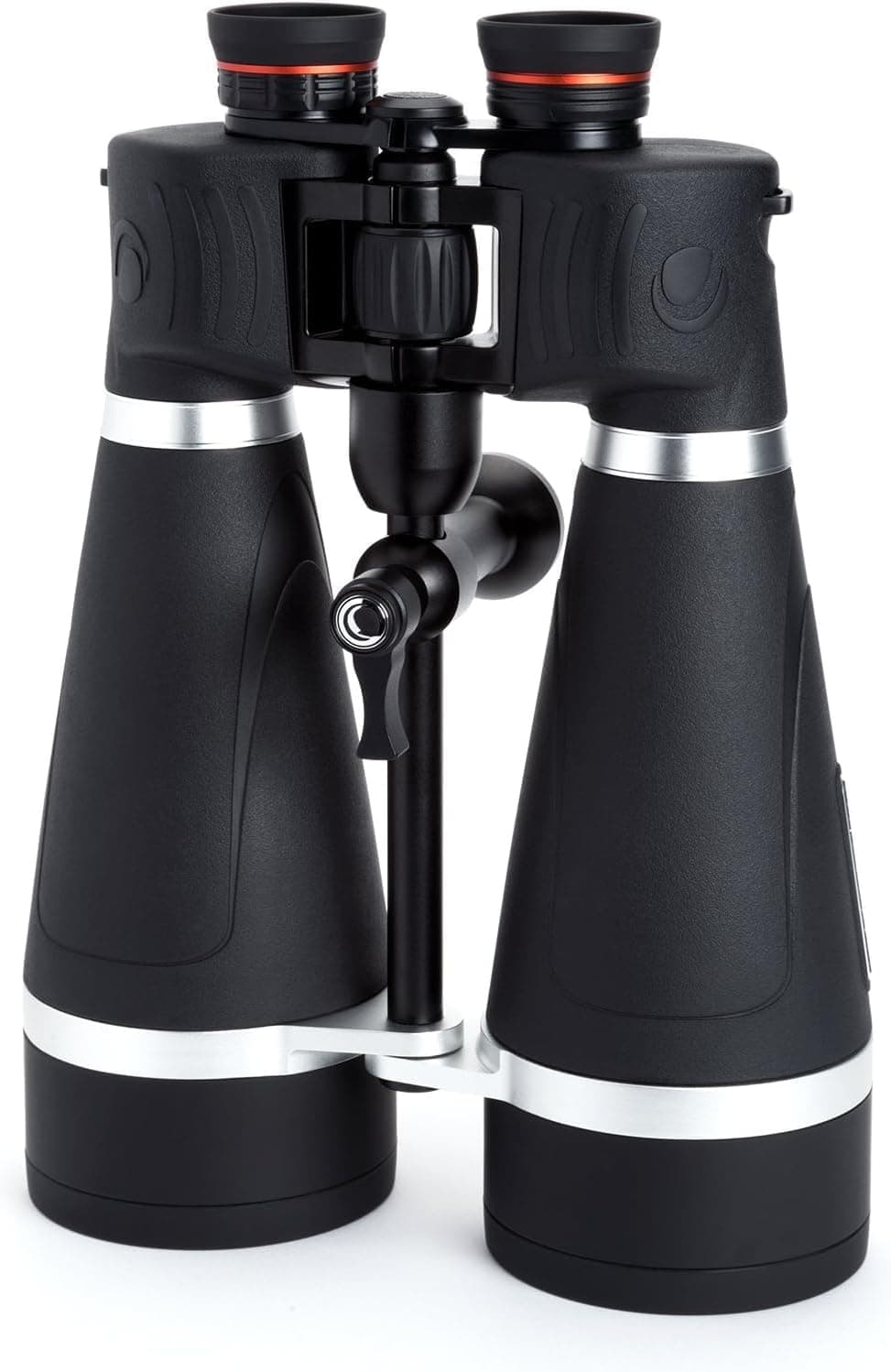
+ 80mm fully multi-coated objectives give bright, high-contrast deep-sky views
From our guide: Best Giant Binoculars for Deep-Sky Sweeps (2026)
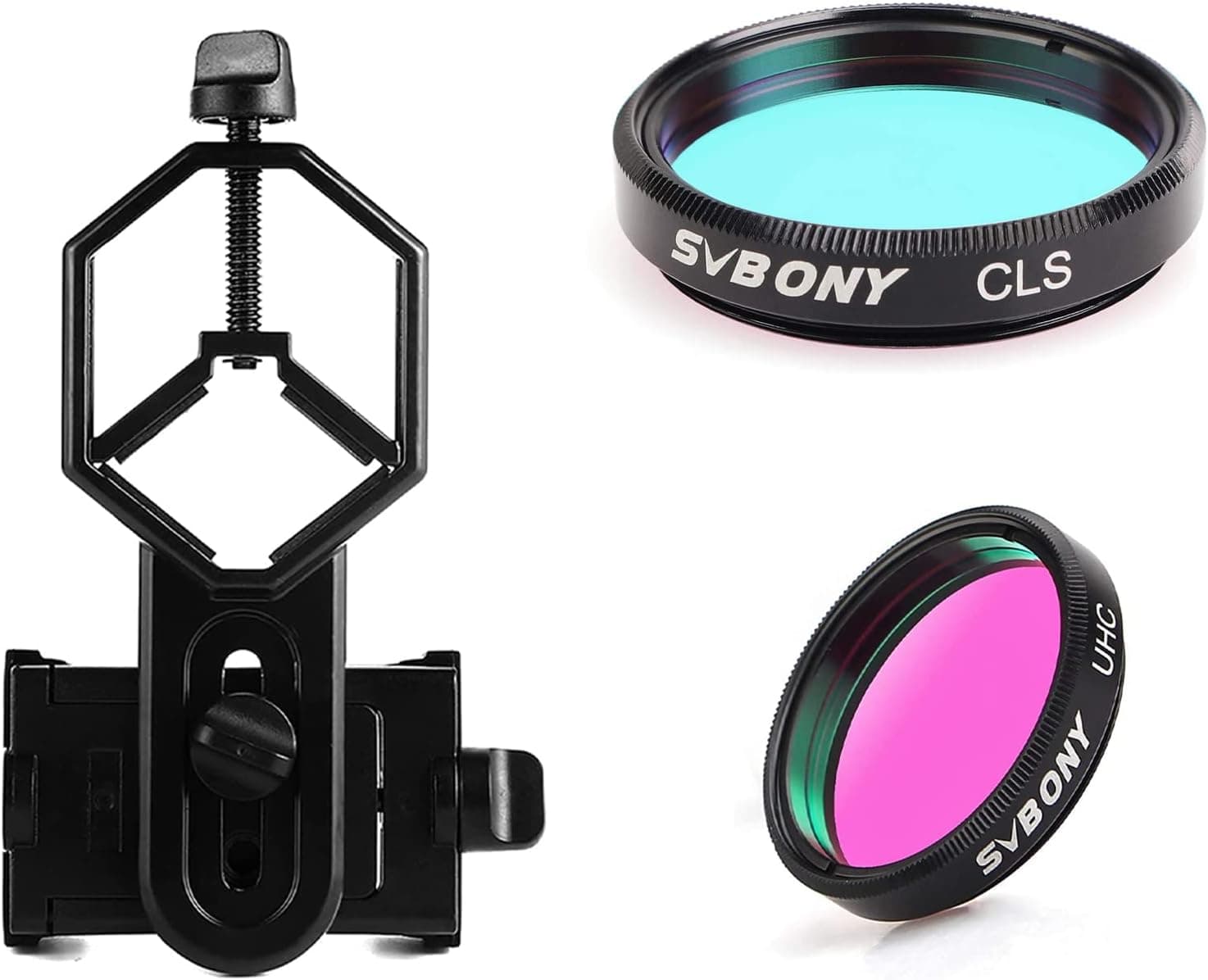
+ CLS and UHC filters cover broadband city glow and narrower nebula contrast
From our guide: Best Light Pollution Filters for City Skies (2026)
+ Practical approach covers equipment and what to observe
From our guide: Best Astronomy Books for Beginners and Beyond (2026)
Jupiter is a favorite for good reason. Its four largest moons, discovered by Galileo, appear as bright points of light that shift position from hour to hour and night to night, a constant dance you can track. The planet's disk shows dark cloud belts and lighter zones, and on nights of steady air, finer detail and the Great Red Spot emerge. Jupiter rewards patient, repeated viewing more than almost any other target.
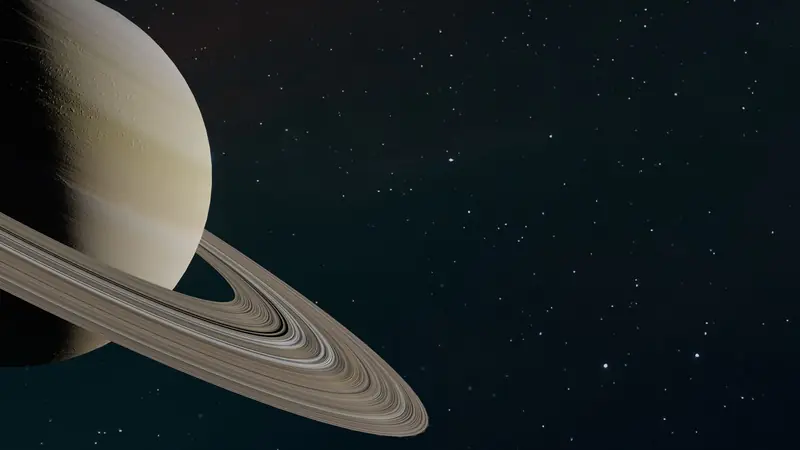
Saturn is the object that hooks countless people for life. Its rings are visible in almost any telescope and look genuinely unreal at first sight, like a tiny jewel hanging in space. Larger apertures reveal the Cassini Division, a dark gap within the rings, and the planet's largest moon, Titan, appears as a nearby point of light. The tilt of the rings changes over years, so their appearance slowly evolves.
Mars is more demanding. For most of its cycle it appears as a small orange dot, but near its closest approaches to Earth, which happen roughly every two years, it grows large enough to show dark surface markings and bright polar caps. Timing matters enormously with Mars, so consult when it is near opposition to catch it at its best. Even then, steady air is essential to glimpse its subtle features.
Venus behaves like a tiny moon, showing phases from crescent to gibbous as it orbits between Earth and the Sun. It reveals no surface detail because it is shrouded in permanent clouds, but watching its phase and size change over weeks is fascinating. Mercury, closer to the Sun, is harder to catch and shows phases too, though it is a challenging target low in twilight.
The most important lesson in planetary observing is that steady air matters far more than magnification. Turbulence in the atmosphere, called seeing, blurs planetary detail regardless of your equipment. On nights of poor seeing, even a superb telescope shows a shimmering blob, while on rare nights of excellent seeing, detail snaps into focus. Learning to recognize and wait for good seeing is the key skill of planetary observers.
Plan planetary sessions by checking which planets are visible and when they reach opposition or greatest elongation, the points where they are best placed. Let your telescope cool to the outside temperature before observing, since warm optics create their own turbulence. Observe when the planet is high in the sky to look through less atmosphere. With patience and good timing, the planets deliver some of the most memorable views in all of amateur astronomy.
Popular right now
- Best Intervalometers for Automated Astro Shots (2026)Buying guide
- Best Finder Scopes to Locate Targets Fast (2026)Buying guide
- Telescope Aperture and Magnification ChartArticle
- Best Star Diagonals for Comfortable Viewing (2026)Buying guide
- Best Red Flashlights to Protect Night Vision (2026)Buying guide
- Equatorial mount explainedGlossary
Based on the last 28 days of search and visitor data.