Light Pollution Tips
Published How we research
Light pollution is the artificial skyglow that washes out fainter stars and dims the night sky, and it affects the majority of people who live in or near cities. While it is a genuine obstacle, it does not have to end your stargazing. With smart target choices and a few techniques, you can enjoy a great deal of the sky even from a bright suburban backyard.
Products from this article
The highest-scoring picks from the buying guides this article links to. Scores are our editorial assessment, not customer ratings.
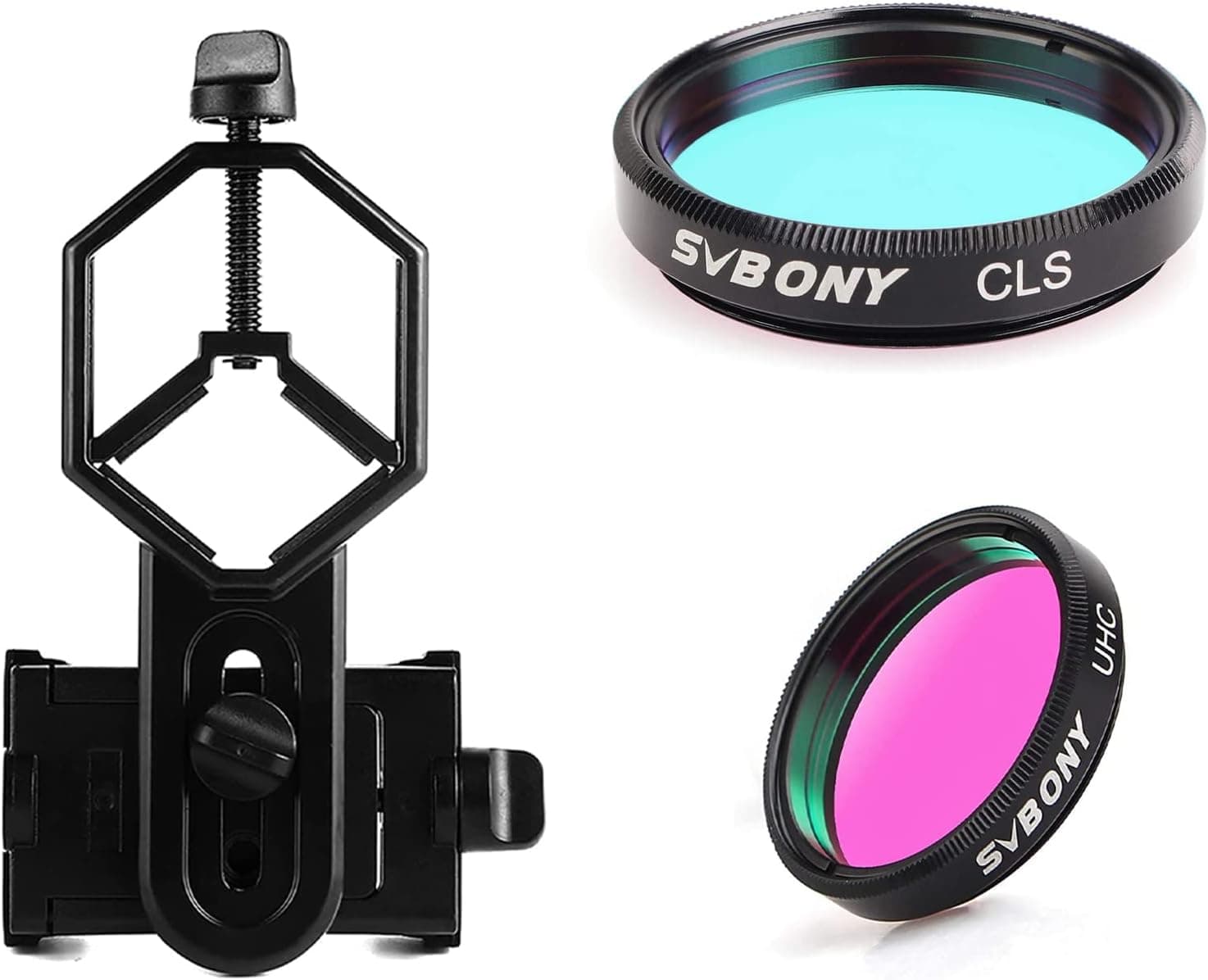
+ CLS and UHC filters cover broadband city glow and narrower nebula contrast
From our guide: Best Light Pollution Filters for City Skies (2026)
+ Multi-use design works for presentations as well as star tours
From our guide: Best Green Laser Pointers for Sky Tours (2026)
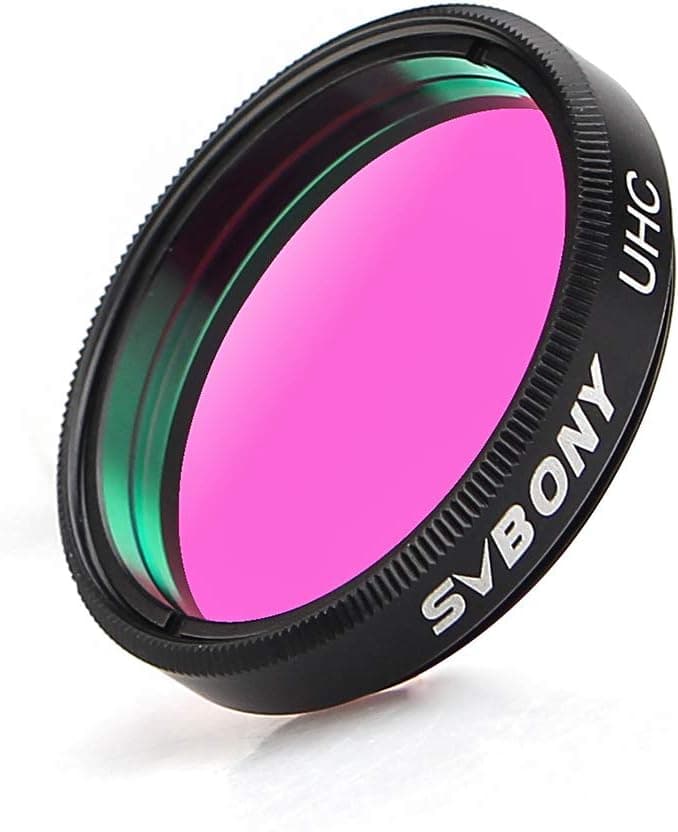
+ UHC passband darkens the sky background so emission nebulae stand out
From our guide: Best Light Pollution Filters for City Skies (2026)
+ USB-C charging is faster and more convenient than older ports
From our guide: Best Green Laser Pointers for Sky Tours (2026)
The first strategy is choosing targets that cut through light pollution. The Moon, planets, double stars, and bright star clusters remain rewarding even under heavily lit skies because they are intrinsically bright. Faint galaxies and diffuse nebulae, by contrast, are the first casualties of skyglow. Focusing on resilient targets means most of your sessions will be satisfying rather than a strain to see anything at all.
Controlling local light makes a bigger difference than many expect. Position yourself in the shadow of a building or fence to block direct glare from streetlights and neighbors' windows. Even a simple observing hood, or standing so your eyes are shielded, dramatically improves what you can see. Turn off outdoor lights at your own home and let your eyes settle into darkness without stray light spoiling your adaptation.
Dark adaptation is your most valuable free tool. It takes twenty to thirty minutes in darkness for your eyes to reach their most sensitive state, and a single glance at a phone screen can undo it. Use a dim red light for reading charts, keep screens on their lowest red-tinted setting, and be patient. Under light pollution, protecting every bit of your eyes' sensitivity counts for a great deal.
Filters can help with specific objects. A narrowband or oxygen filter improves the contrast of emission nebulae by blocking much of the artificial glow while passing the nebula's light. These do not help with galaxies or clusters, but for the right targets they can partially rescue an object from the skyglow. Manage expectations, though, since no filter can restore a truly dark sky.
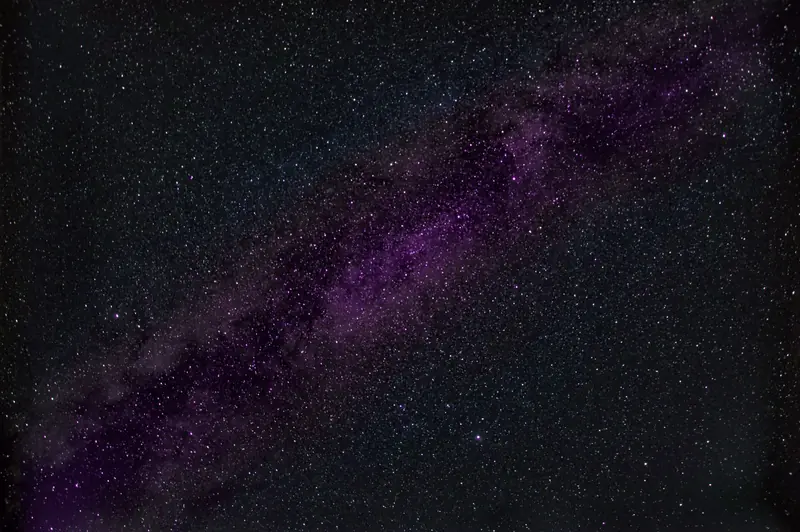
When the sky at home is too bright, the best solution is to travel. Even a short drive away from the city center can reveal dramatically more stars, and rural sites transform the experience entirely. Dark-sky maps and apps help you find nearby locations where the Milky Way returns and faint objects become visible. Making an occasional trip to darker skies is often more rewarding than any equipment upgrade.
Finally, keep perspective and observe regularly despite the glow. Many observers do the majority of their stargazing from light-polluted backyards, enjoying the Moon, planets, and bright showpieces on ordinary nights, then saving trips to dark sites for special sessions. Light pollution limits the faintest objects, but it leaves an enormous amount of the sky open to anyone willing to look up and adapt their approach.
Popular right now
- Best Intervalometers for Automated Astro Shots (2026)Buying guide
- Best Finder Scopes to Locate Targets Fast (2026)Buying guide
- Telescope Aperture and Magnification ChartArticle
- Best Star Diagonals for Comfortable Viewing (2026)Buying guide
- Best Red Flashlights to Protect Night Vision (2026)Buying guide
- Equatorial mount explainedGlossary
Based on the last 28 days of search and visitor data.