How to Read a Star Chart and Find Your Way Around
Published How we research
A star chart is a map of the night sky, and learning to read one turns a confusing scatter of dots into a navigable landscape. While apps can point you to objects automatically, understanding charts builds a mental model of the sky that makes you a far more capable observer. The skill is easier to acquire than it first appears.
Products from this article
The highest-scoring picks from the buying guides this article links to. Scores are our editorial assessment, not customer ratings.
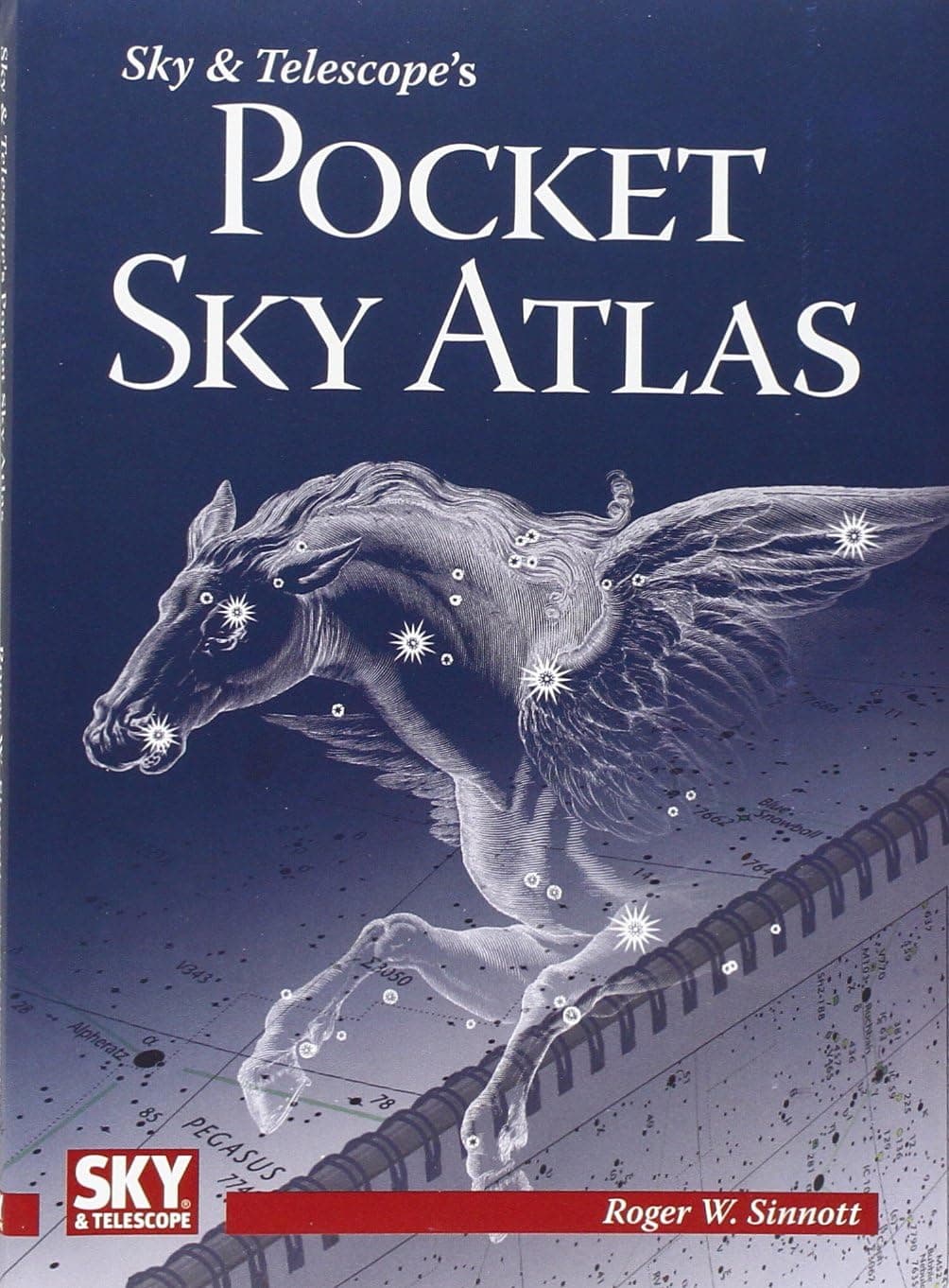
+ 80 charts with 1500 deep-sky objects give plenty of targets for small and mid telescopes
From our guide: Best Star Atlases
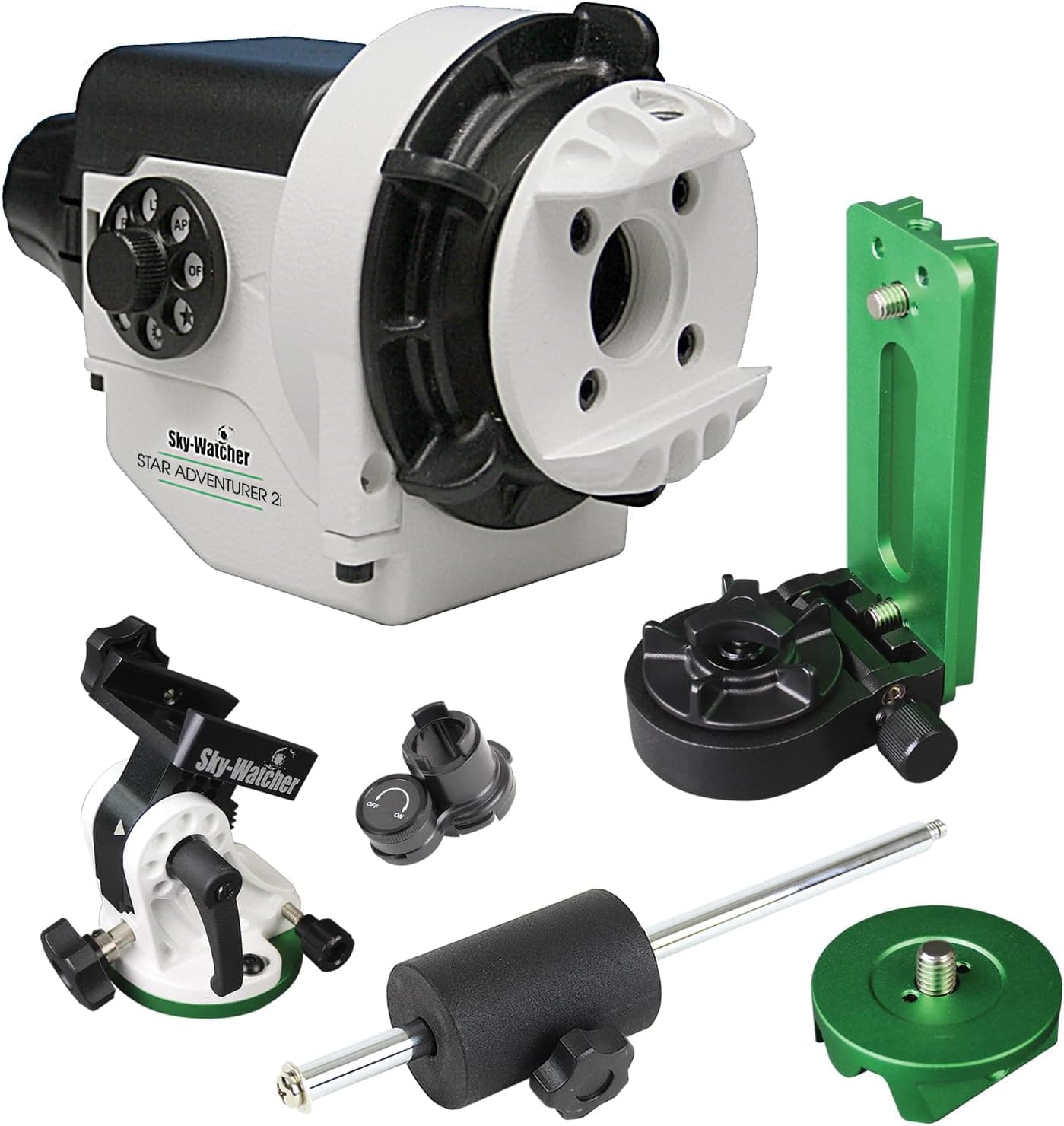
+ Pro Pack includes the key accessories for most star tracking setups
From our guide: Best Star Trackers for Wide-Field Astrophotography (2026)
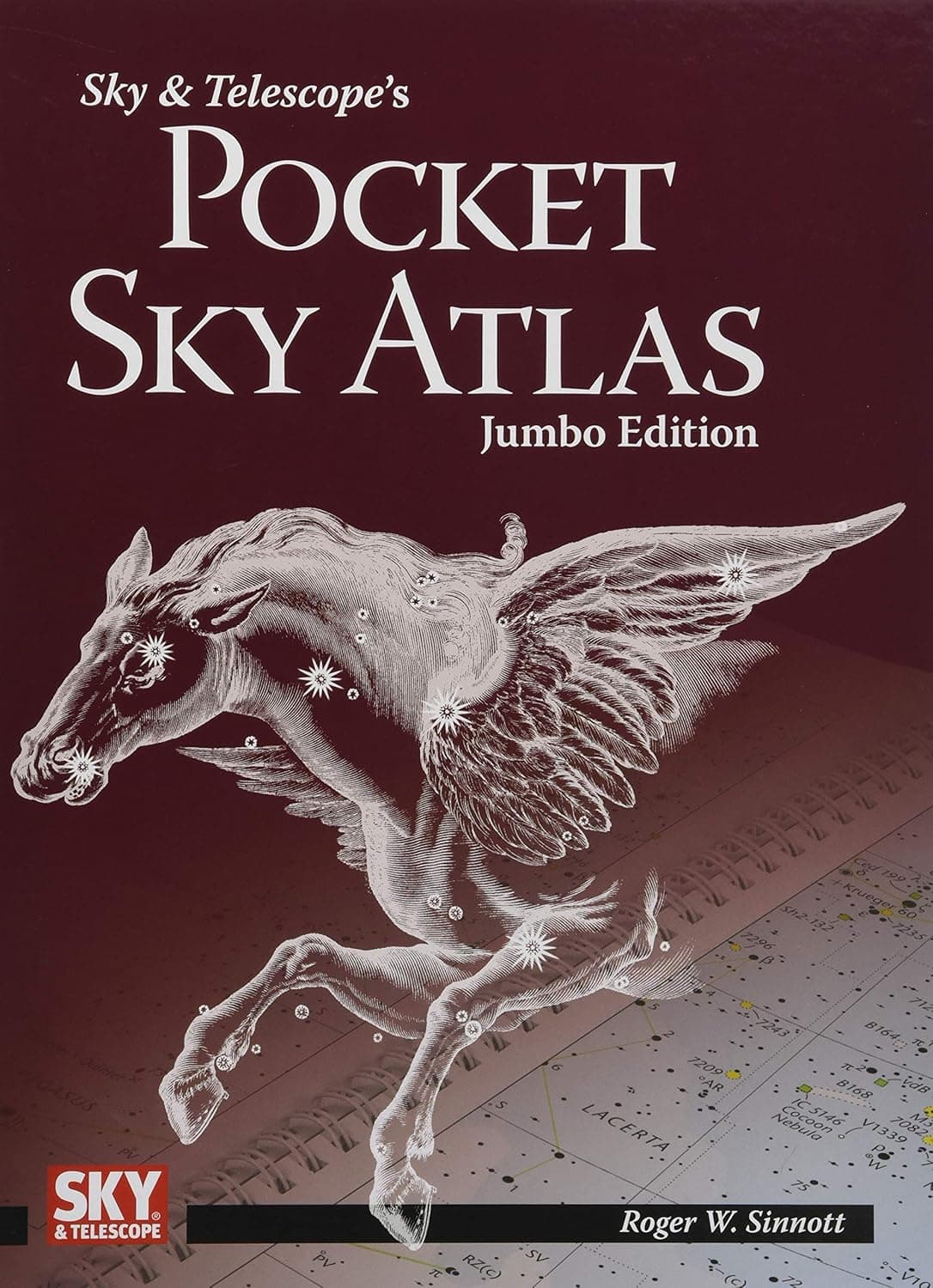
+ Larger format makes stars and labels easier to read in the dark
From our guide: Best Star Atlases
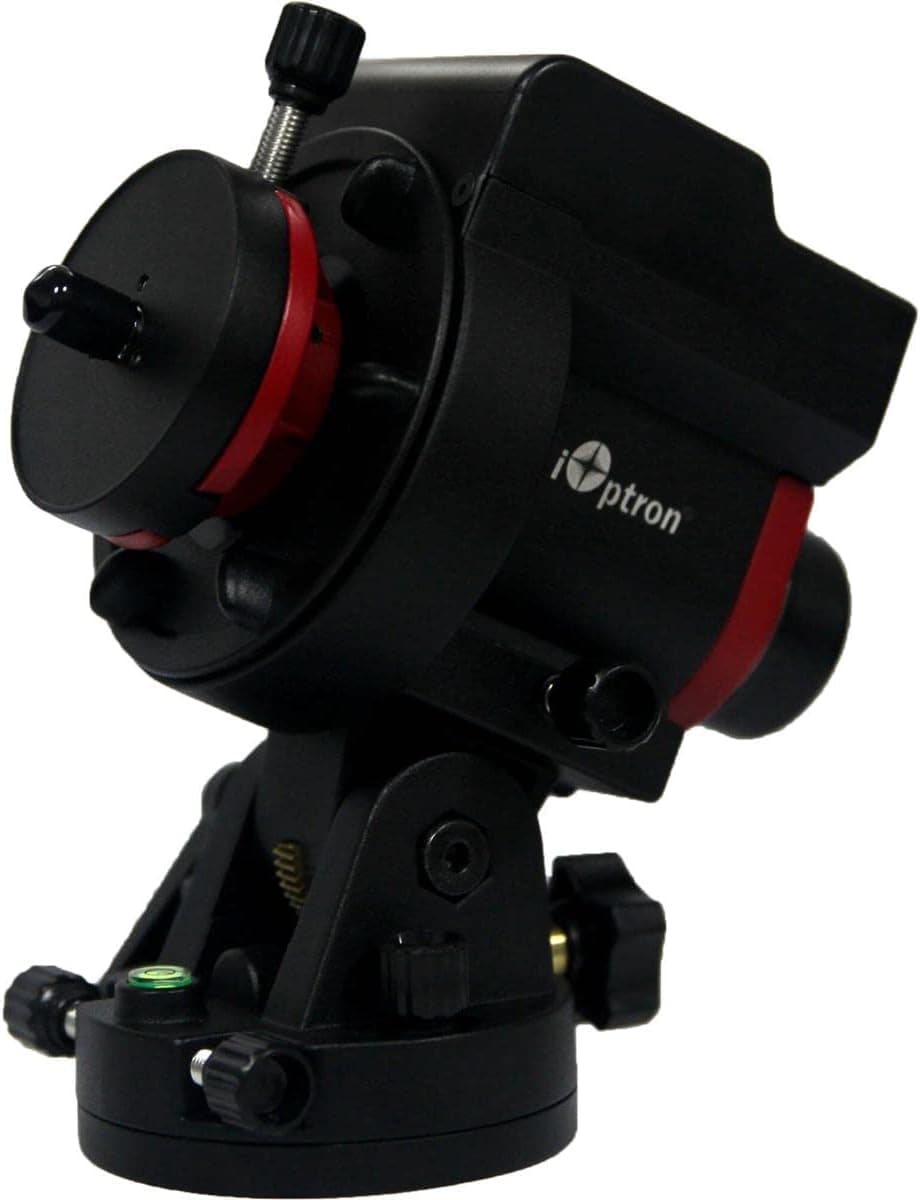
+ 11 lb payload carries a camera with a telephoto lens or small refractor
From our guide: Best Star Trackers for Wide-Field Astrophotography (2026)
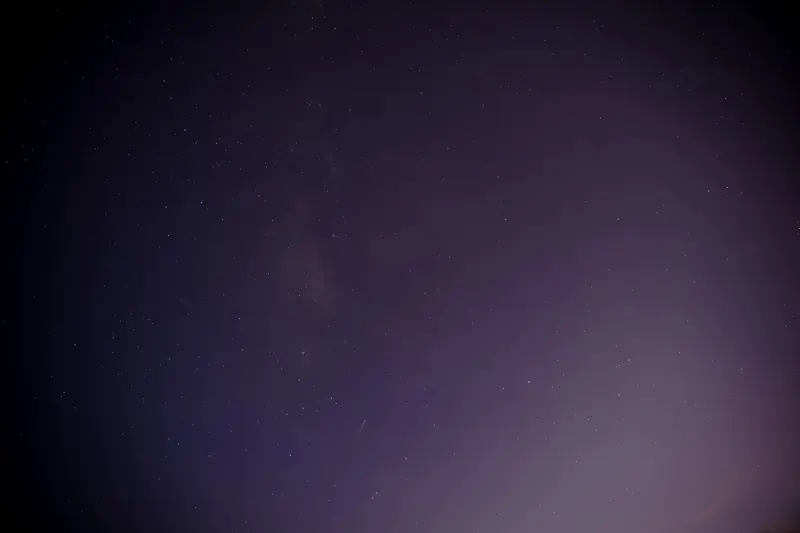
Start with the concept of constellations, the recognizable patterns that divide the sky into regions. Charts outline these patterns with connecting lines and label them clearly. Learning a few anchor constellations, such as the Big Dipper, Orion, and Cassiopeia, gives you reference points from which to find everything else. These bright, distinctive groups act like landmarks in a city, orienting you at a glance.
Star charts represent brightness using dot size. Larger dots mean brighter stars, and smaller dots mean fainter ones. This lets you match the pattern on paper to the sky above, because the brightest stars stand out first. Charts also use a magnitude scale, where lower numbers mean brighter objects, so a magnitude 1 star is much brighter than a magnitude 5 star that is barely visible to the unaided eye.
To find your way, understand that the sky appears to rotate through the night and across the seasons. A planisphere, a rotating circular chart, accounts for this by letting you dial in your date and time to show exactly what is up. Hold it overhead and align the cardinal directions with the horizon. What appears on the planisphere then matches the real sky, making it a superb learning tool for beginners.
More detailed charts use a coordinate system similar to latitude and longitude on Earth. Declination measures how far north or south an object lies relative to the celestial equator, and right ascension measures its east-west position. You do not need to master these numbers to enjoy the sky, but they let you locate faint objects precisely and communicate positions with other observers.
A practical technique that charts enable is star hopping. You begin at a bright, easily found star, then use the chart to trace a path of fainter stars leading to your target. By matching the pattern in your finder scope or binoculars to the pattern on the chart, you hop from one recognizable group to the next until the object appears. This method works reliably even for objects too faint to see directly.
When reading charts at night, protect your night vision by using a dim red light rather than white light, which resets your eyes' dark adaptation. Print charts on paper or use an app with a red night mode. With practice, matching chart to sky becomes second nature, and the once-bewildering dome overhead transforms into familiar territory you can explore with purpose and ease.
Popular right now
- Best Intervalometers for Automated Astro Shots (2026)Buying guide
- Best Finder Scopes to Locate Targets Fast (2026)Buying guide
- Telescope Aperture and Magnification ChartArticle
- Best Star Diagonals for Comfortable Viewing (2026)Buying guide
- Best Red Flashlights to Protect Night Vision (2026)Buying guide
- Equatorial mount explainedGlossary
Based on the last 28 days of search and visitor data.