Getting Into Astrophotography
Published How we research
Astrophotography is the art of capturing the night sky with a camera, and it produces the stunning images that draw many people into astronomy. It is also one of the most demanding branches of the hobby, blending equipment, technique, and patience. Approaching it with realistic expectations and a gradual path prevents the frustration and expense that discourage so many beginners.
Products from this article
The highest-scoring picks from the buying guides this article links to. Scores are our editorial assessment, not customer ratings.
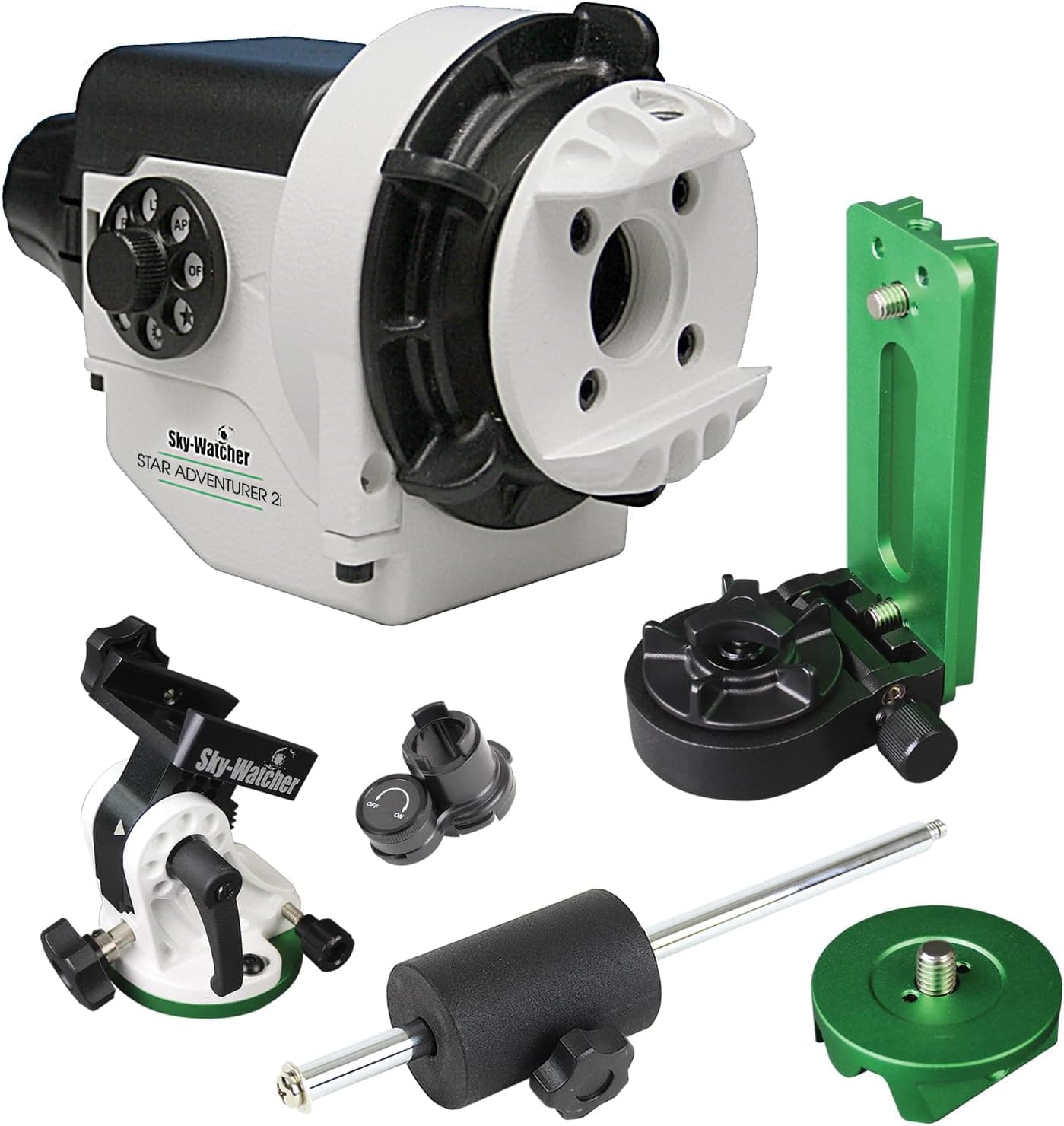
+ Pro Pack includes the key accessories for most star tracking setups
From our guide: Best Star Trackers for Wide-Field Astrophotography (2026)
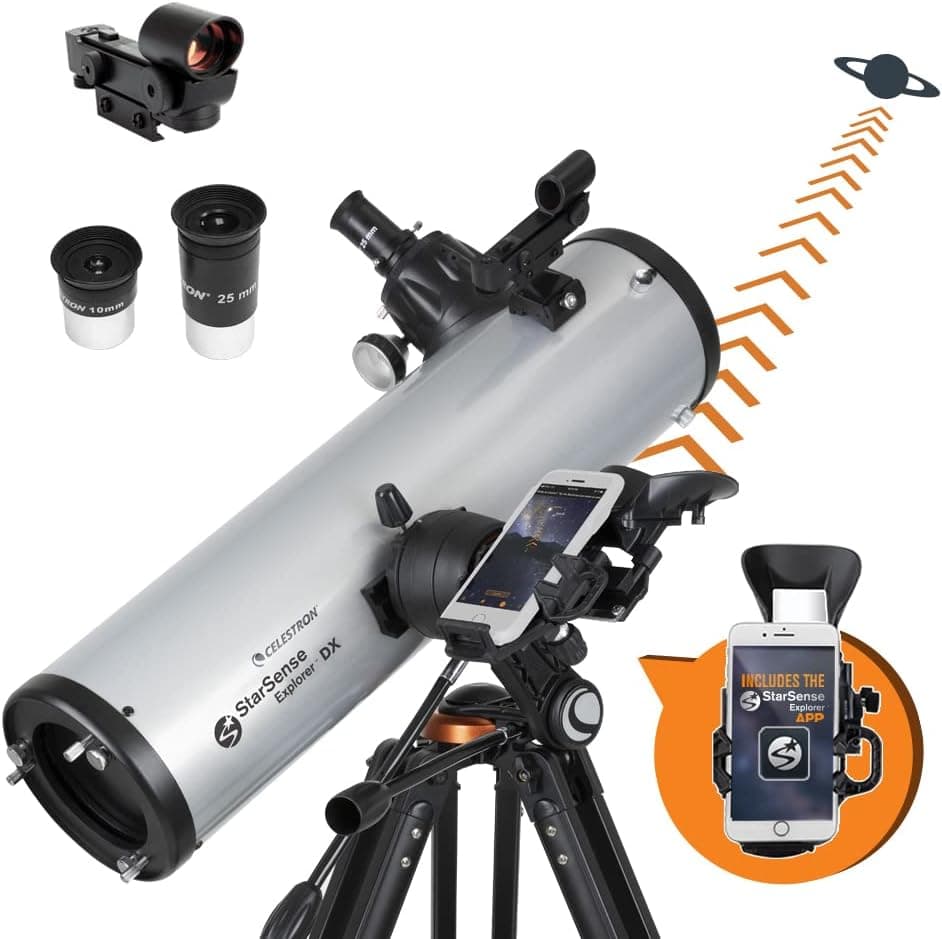
+ DX mount with slow-motion controls is steadier than the LT line
From our guide: Best Beginner Telescopes for a Great First Night (2026)
+ 4th Edition content is more current than earlier printings
From our guide: Best Astronomy Books for Beginners and Beyond (2026)
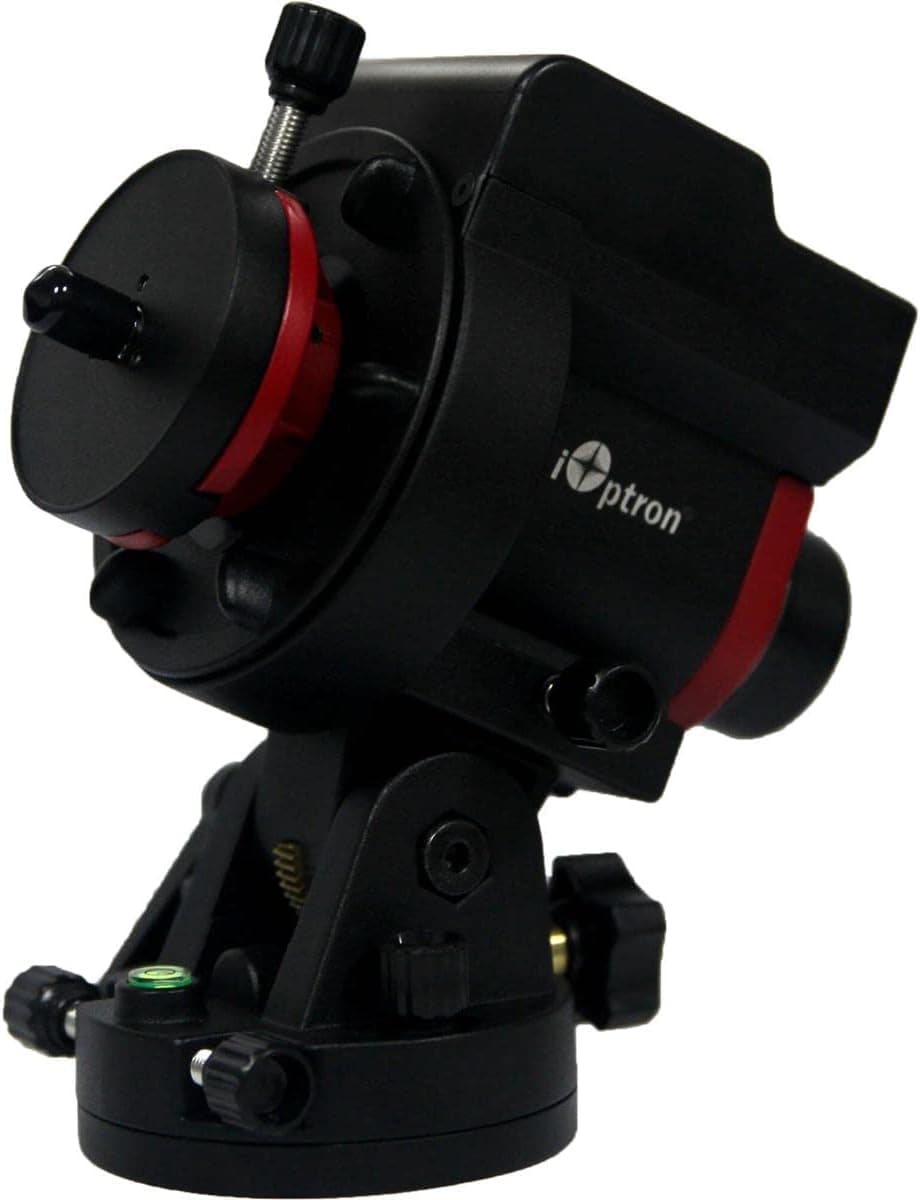
+ 11 lb payload carries a camera with a telephoto lens or small refractor
From our guide: Best Star Trackers for Wide-Field Astrophotography (2026)
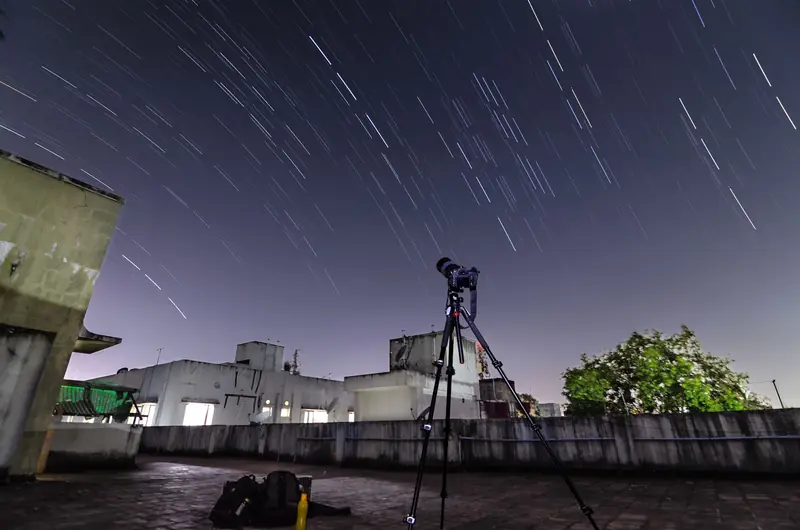
The most important truth is that astrophotography and visual observing are different pursuits with different equipment priorities. Visual observing rewards large aperture on a simple mount, while photography rewards a stable, accurately tracking mount above almost everything else. A common and costly mistake is buying a big telescope for imaging when a modest scope on an excellent mount would produce far better results. The mount is the foundation of astrophotography.
You can begin without a telescope at all. A camera on a fixed tripod can capture star trails, constellations, and the Milky Way with a wide lens and a few seconds of exposure. Because the Earth rotates, longer exposures blur the stars into streaks, which limits fixed-tripod work but still yields beautiful wide-field images. This is an ideal, low-cost way to learn the basics of exposure, focus, and processing.
The next step is a star tracker, a small motorized mount that turns to follow the sky and cancel the Earth's rotation. With a tracker and a camera lens, you can take longer exposures that reveal faint nebulae and the structure of the Milky Way without star trails. Star trackers are relatively affordable and portable, and they represent the single biggest leap in capability for a beginning astrophotographer.
Deep-sky imaging through a telescope is the most advanced and rewarding stage, and also the most demanding. It requires a solid equatorial mount, precise polar alignment, often a guiding system to correct tracking errors, and stacking software that combines many exposures to reduce noise. Objects are captured over hours and then processed on a computer. This is where astrophotography becomes a serious commitment of time, money, and learning.
Processing is as important as capturing. The faint colors and details in deep-sky images emerge only after combining many frames and carefully stretching the data in software. This step has a steep learning curve, but it is also where much of the creativity lies. Many beginners are surprised to learn that a large portion of astrophotography happens at the computer rather than under the stars.
The wisest approach is to progress gradually, mastering each stage before investing in the next. Start with a camera and tripod, move to a star tracker, and only commit to telescope imaging once you understand the demands involved. Along the way, join communities where experienced imagers share advice, since astrophotography is a hobby where guidance saves enormous time and money. With patience, the results can be deeply rewarding, but the journey rewards those who build their skills step by step.
Popular right now
- Best Intervalometers for Automated Astro Shots (2026)Buying guide
- Best Finder Scopes to Locate Targets Fast (2026)Buying guide
- Telescope Aperture and Magnification ChartArticle
- Best Star Diagonals for Comfortable Viewing (2026)Buying guide
- Best Red Flashlights to Protect Night Vision (2026)Buying guide
- Equatorial mount explainedGlossary
Based on the last 28 days of search and visitor data.