Choosing Telescope Eyepieces
Published How we research
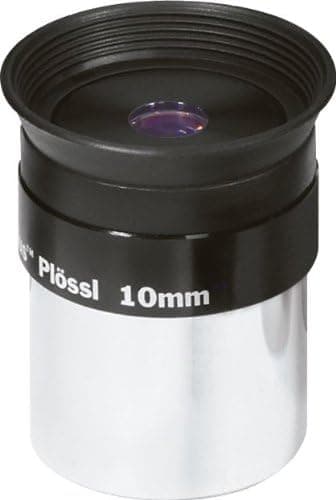
Eyepieces are the interchangeable lenses that determine how a telescope presents an object to your eye, and choosing them well transforms your observing experience. Many beginners overlook eyepieces after buying a telescope, yet the right selection can reveal detail and comfort that the stock accessories cannot. Understanding a few principles makes building a useful kit straightforward.
Products from this article
The highest-scoring picks from the buying guides this article links to. Scores are our editorial assessment, not customer ratings.
+ 50 degree field is wider than classic Plossls for more immersive views
From our guide: Best Plossl Eyepieces for Sharp, Value Views (2026)
+ Fits 1.25 inch and 2 inch focusers, so it moves between small and large telescopes
From our guide: Best Zoom Eyepieces for Flexible Magnification (2026)
+ 2 inch format accepts large eyepieces and bigger camera sensors
From our guide: Best Barlow Lenses to Boost Your Magnification (2026)
+ 25mm focal length is ideal for finding objects and scanning star fields
From our guide: Best Plossl Eyepieces for Sharp, Value Views (2026)
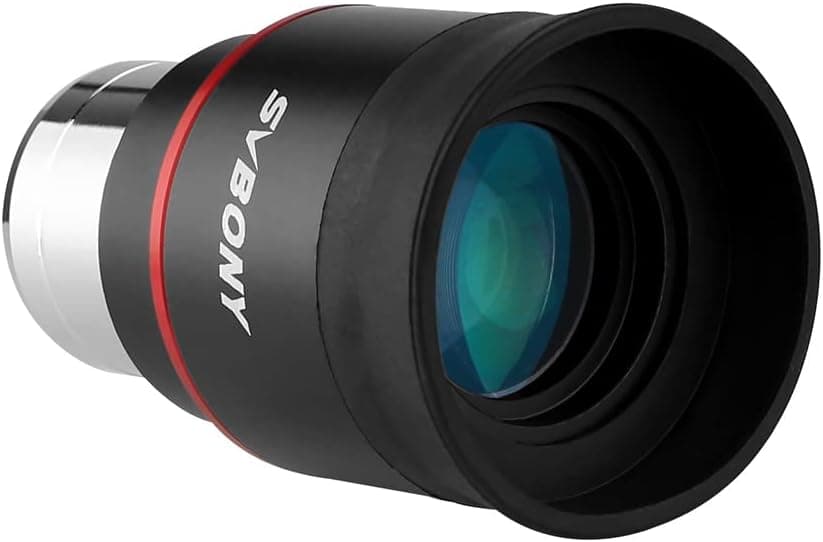
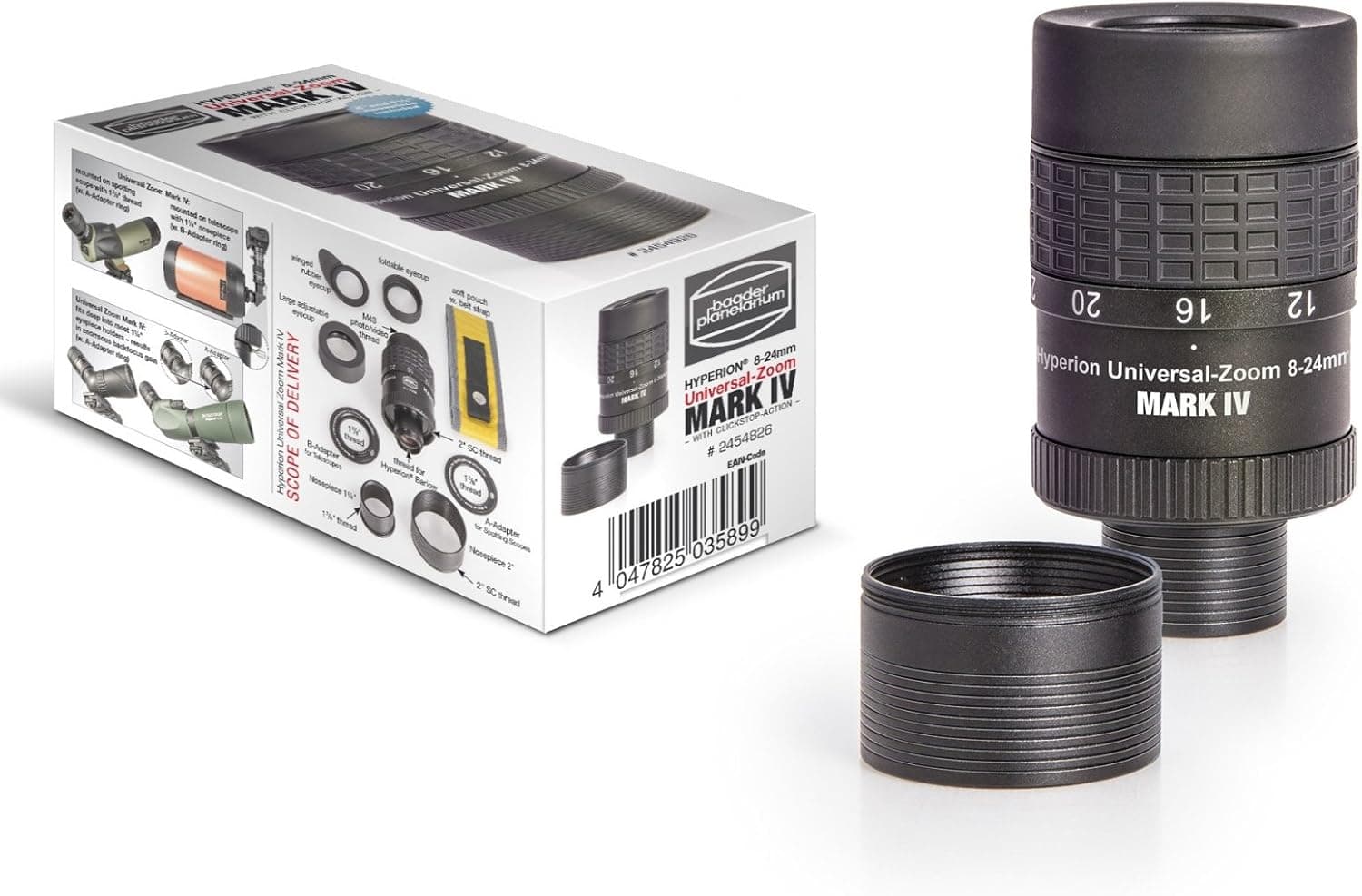
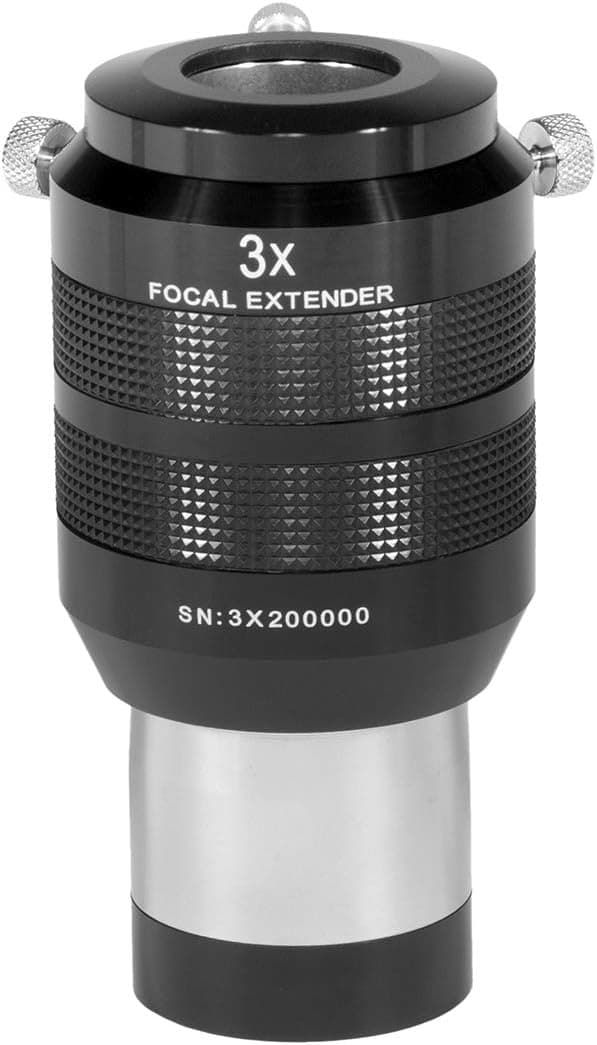
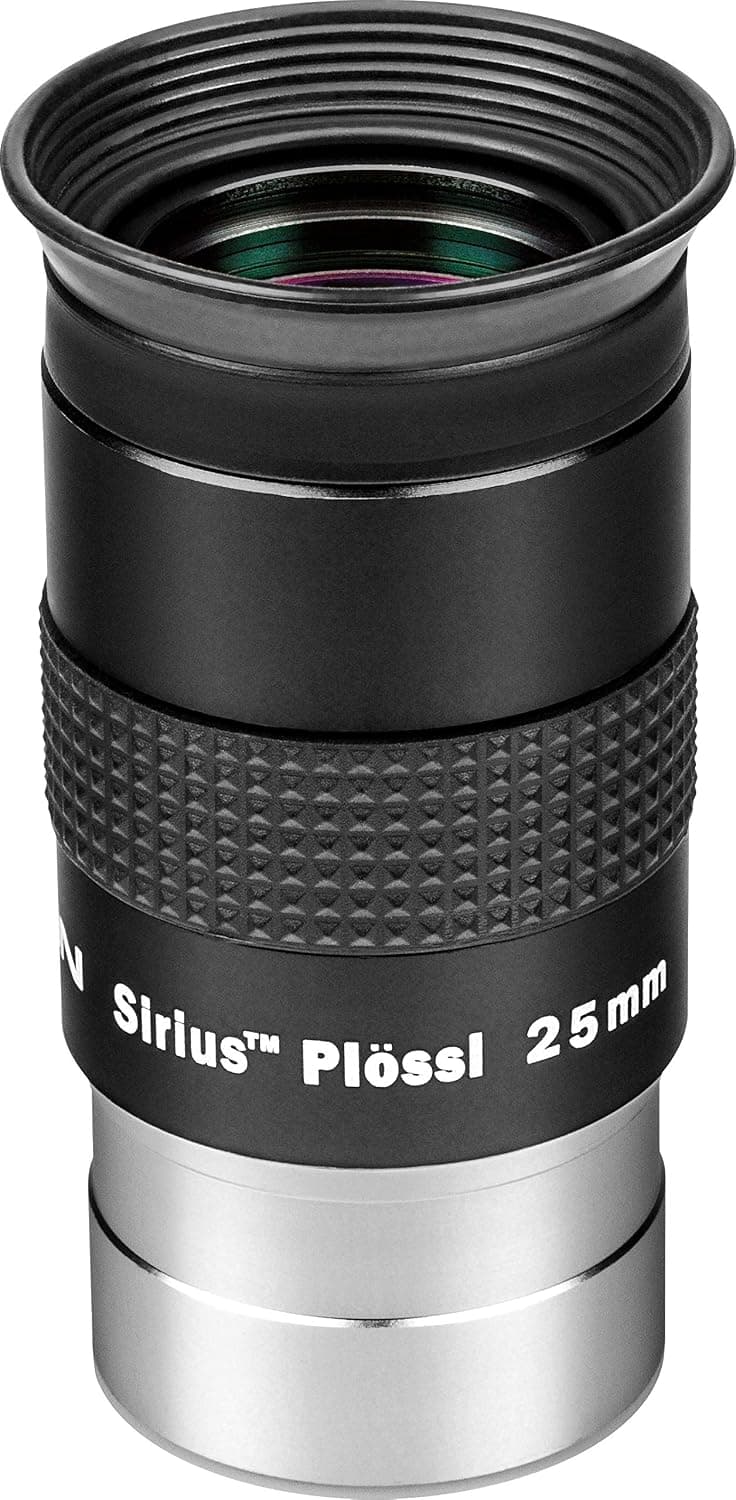
The key specification of an eyepiece is its focal length, printed in millimeters. Magnification is calculated by dividing the telescope's focal length by the eyepiece's focal length. So a 1000mm telescope with a 25mm eyepiece yields 40x, while swapping to a 10mm eyepiece gives 100x. A shorter focal length eyepiece produces higher magnification but a smaller, dimmer field, so no single eyepiece suits every target.
A practical starting kit covers low, medium, and high magnification. A low-power eyepiece with a long focal length gives a wide field ideal for star clusters, sweeping the Milky Way, and locating objects. A medium-power eyepiece suits many deep-sky objects and general viewing. A high-power eyepiece brings out planetary and lunar detail. Three well-chosen eyepieces spanning these ranges handle most observing situations well.
Apparent field of view is another important quality. It describes how wide the circle of sky looks when you peer into the eyepiece, measured in degrees. A wider apparent field feels more immersive, like looking through a picture window rather than a keyhole, and makes it easier to keep drifting objects in view. Premium wide-field eyepieces cost more, but many observers find the spacious view worth it, especially at higher powers on undriven mounts.
Eye relief matters for comfort, particularly for eyeglass wearers. It is the distance your eye can sit from the lens while still seeing the full field. Short eye relief forces you to press close, which is tiring and awkward with glasses. Longer eye relief, around 15mm or more, allows relaxed viewing and keeps spectacles in place. Check this specification before buying, as it varies widely between designs.
Resist the temptation to chase the highest possible magnification. Every telescope has a practical limit set by its aperture and by atmospheric steadiness, typically around two times the aperture in millimeters on the best nights. An eyepiece that pushes past this just enlarges a blurry image. It is far better to own quality eyepieces at sensible powers than a very short one that rarely produces a usable view.
When upgrading, spend on the eyepieces you will use most rather than buying a large set at once. A good medium and high-power eyepiece often improves views more than any other accessory. Because eyepieces carry over to future telescopes, quality glass is a long-term investment. Build your kit gradually, matching each purchase to the targets you enjoy, and your telescope will reward you with sharper, more comfortable, and more immersive views.
Popular right now
- Best Intervalometers for Automated Astro Shots (2026)Buying guide
- Best Finder Scopes to Locate Targets Fast (2026)Buying guide
- Telescope Aperture and Magnification ChartArticle
- Best Star Diagonals for Comfortable Viewing (2026)Buying guide
- Best Red Flashlights to Protect Night Vision (2026)Buying guide
- Equatorial mount explainedGlossary
Based on the last 28 days of search and visitor data.