Best Stargazing Targets for Beginners to Find First
Published How we research
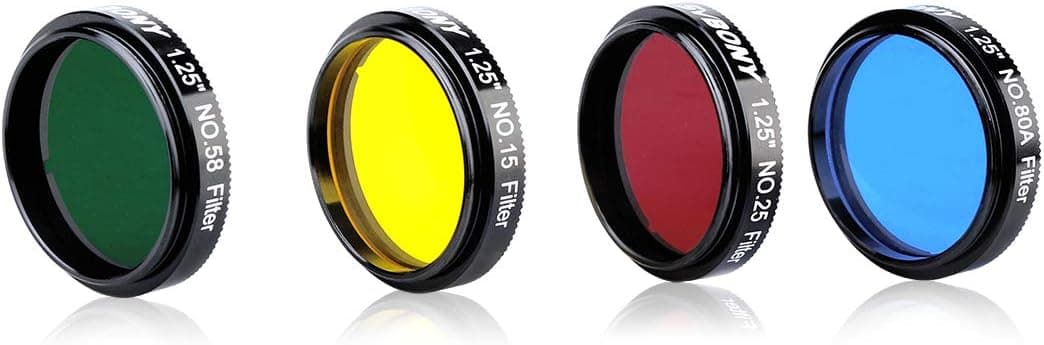
The night sky can feel intimidating when you first look up, but a handful of reliable targets make excellent starting points. Beginning with bright, easy-to-find objects builds confidence and teaches you how your equipment behaves before you tackle fainter, more demanding sights. This progression turns early sessions into satisfying wins rather than frustrating hunts.
Products from this article
The highest-scoring picks from the buying guides this article links to. Scores are our editorial assessment, not customer ratings.
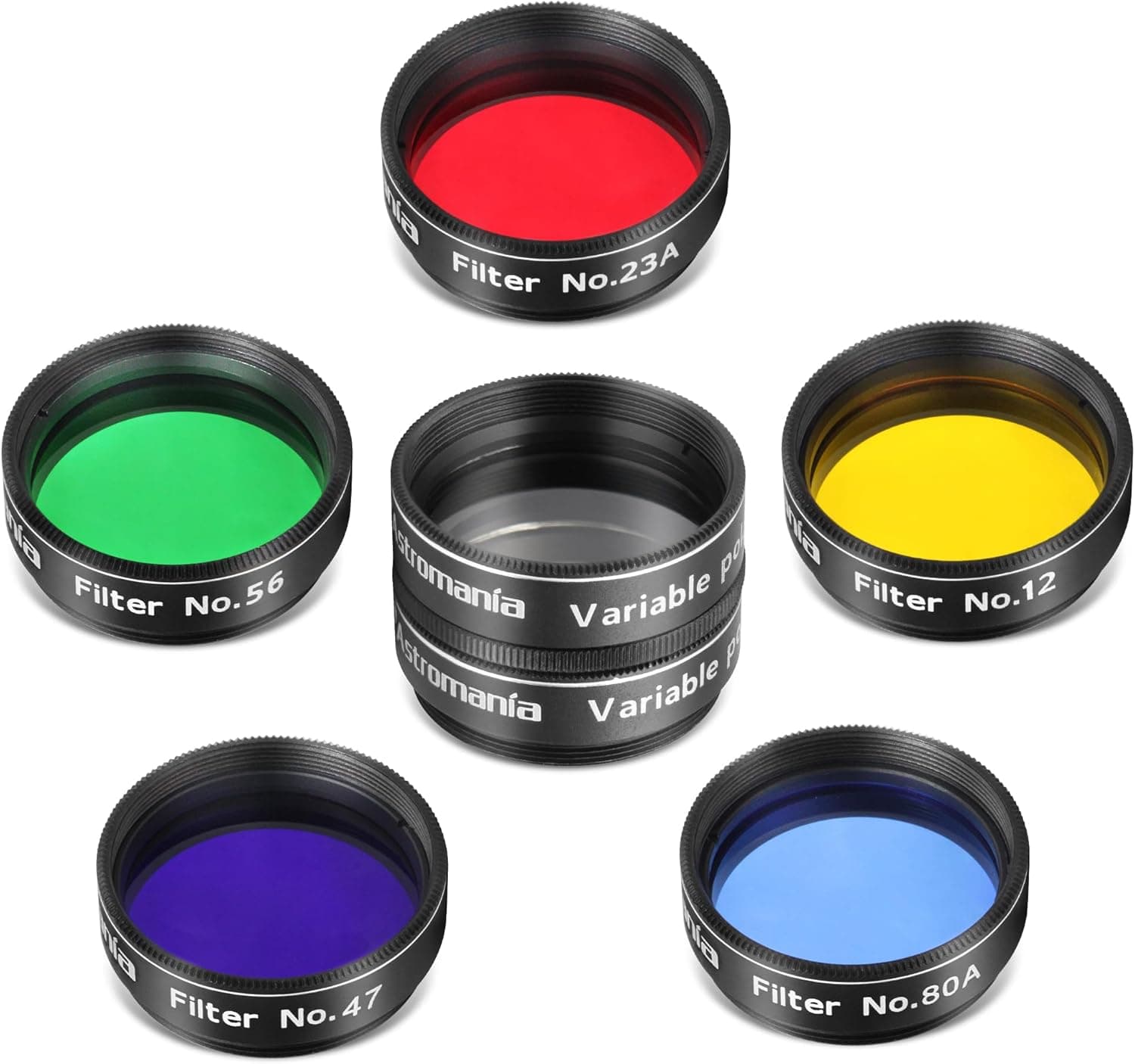
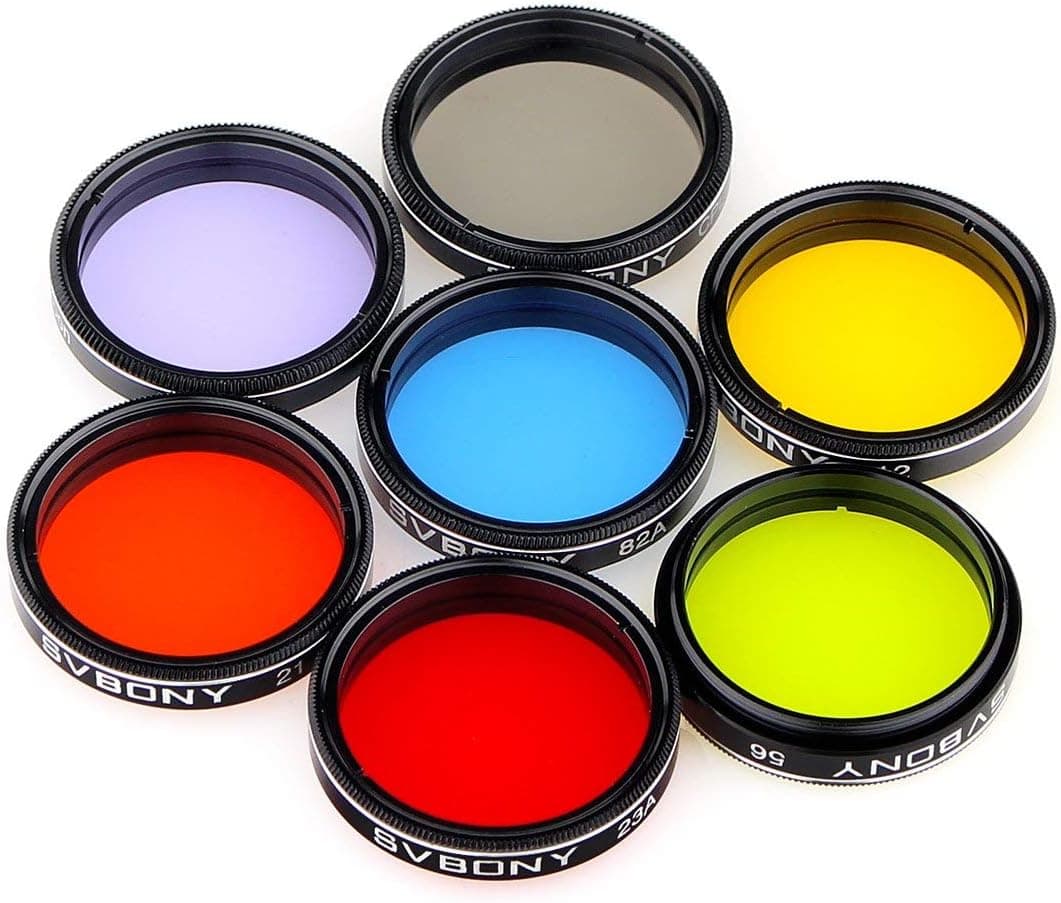
+ Variable grey polarizing filter adjusts brightness for bright lunar views
From our guide: Best Eyepiece Filters to Sharpen Every View (2026)
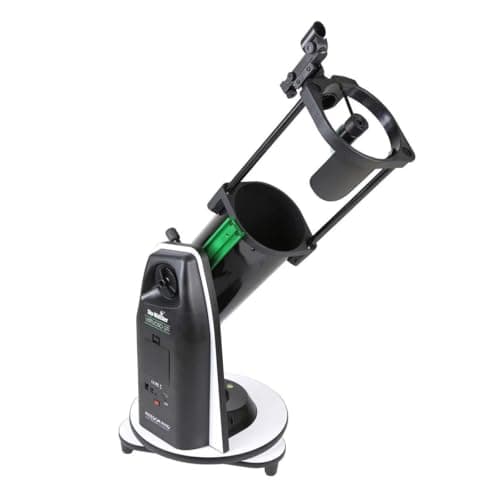
+ 130mm aperture with fast f/5 optics and a 650mm focal length for the Moon, planets, galaxies and nebulae
From our guide: Best Reflector Telescopes for Deep-Sky (2026)
+ 4th Edition content is more current than earlier printings
From our guide: Best Astronomy Books for Beginners and Beyond (2026)
+ Moon and CPL filters reduce glare for comfortable lunar observing
From our guide: Best Eyepiece Filters to Sharpen Every View (2026)
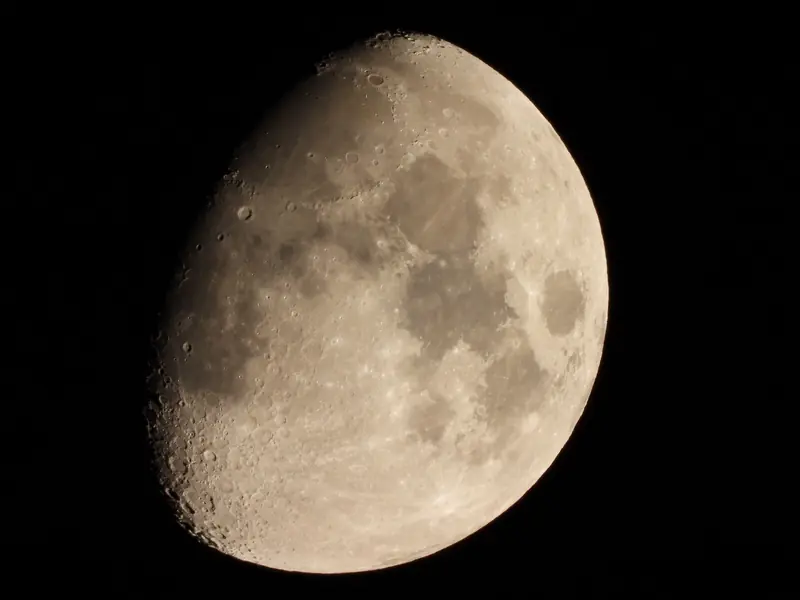
The Moon is the obvious first target and never disappoints. It is bright, easy to locate, and packed with detail. The best time to observe is not at full Moon, when the flat lighting washes out relief, but during the crescent and quarter phases. Along the terminator, the line dividing light from dark, craters and mountains cast long shadows that reveal stunning texture. Even a small instrument shows a lifetime of features.
The bright planets come next. Jupiter reveals its four largest moons and dark cloud belts, and watching the moons shift position from night to night is a genuine thrill. Saturn's rings are visible in almost any telescope and often become the object that hooks people for life. Venus shows phases like a tiny moon, and Mars offers a ruddy disk that grows in detail near its closest approaches. A planetarium app helps you learn which planets are up on a given night.
Star clusters are forgiving, rewarding targets. The Pleiades, a sparkling group in Taurus, is stunning in binoculars and small scopes alike. The Double Cluster in Perseus and the Beehive Cluster in Cancer are equally accessible. Because clusters are relatively bright and large, they tolerate light pollution better than faint galaxies, making them reliable from suburban backyards.
A few bright nebulae round out the beginner list. The Orion Nebula, visible in winter, is a glowing cloud of gas where new stars are forming, and it shows structure even in modest instruments. In summer, the Lagoon Nebula and the Ring Nebula reward patient observers under darker skies. These objects appear as soft, grayish glows rather than the vivid colors of photographs, so adjust your expectations and enjoy the subtle beauty of the real light.
Double stars offer another satisfying category. Albireo, in the constellation Cygnus, splits into a lovely gold and blue pair that many observers call the most beautiful double in the sky. Mizar in the handle of the Big Dipper is another easy split. These targets are bright, unaffected by light pollution, and demonstrate the resolving power of your telescope.
As you work through these objects, keep a simple observing log noting the date, conditions, and what you saw. Over time this record becomes both a learning tool and a source of pride. Starting with bright, dependable targets and gradually reaching for fainter ones is the surest way to build lasting skill and enjoyment in stargazing.
Popular right now
- Best Intervalometers for Automated Astro Shots (2026)Buying guide
- Best Finder Scopes to Locate Targets Fast (2026)Buying guide
- Telescope Aperture and Magnification ChartArticle
- Best Star Diagonals for Comfortable Viewing (2026)Buying guide
- Best Red Flashlights to Protect Night Vision (2026)Buying guide
- Equatorial mount explainedGlossary
Based on the last 28 days of search and visitor data.