How to Stop Dew Forming on Your Telescope
Published How we research
Many observing sessions start with crisp views and end with stars fading into a soft glow as dew forms on the telescope. On clear nights, optics radiate heat to the sky and cool below the air temperature, and moisture condenses on them just like on a car windscreen. Refractors, Schmidt-Cassegrains, finder scopes and eyepieces are especially vulnerable. Preventing dew is far easier than trying to remove it once it forms.
Why dew forms
Dew forms when the surface of the optics drops below the dew point, the temperature at which air can no longer hold its moisture. Clear skies make this worse because there are no clouds to reflect heat back toward the ground, so exposed glass cools quickly after sunset.
Humid nights, still air and observing sites near lakes, fields or low valleys produce the most dew. Front lenses and corrector plates that face the open sky are the first to fog, while mirrors at the bottom of long tubes are usually better protected.
Use a dew shield
A dew shield is a tube extension that fits over the front of the telescope. It slows radiative cooling by blocking a wide area of open sky from the lens, and it also reduces stray light from nearby streetlights.
Many refractors include a built-in dew shield, but Schmidt-Cassegrain and Maksutov telescopes often need an add-on shield. Flexible foam shields are light and inexpensive, and a shield that extends about one and a half to two times the aperture diameter works well.
Add gentle heat
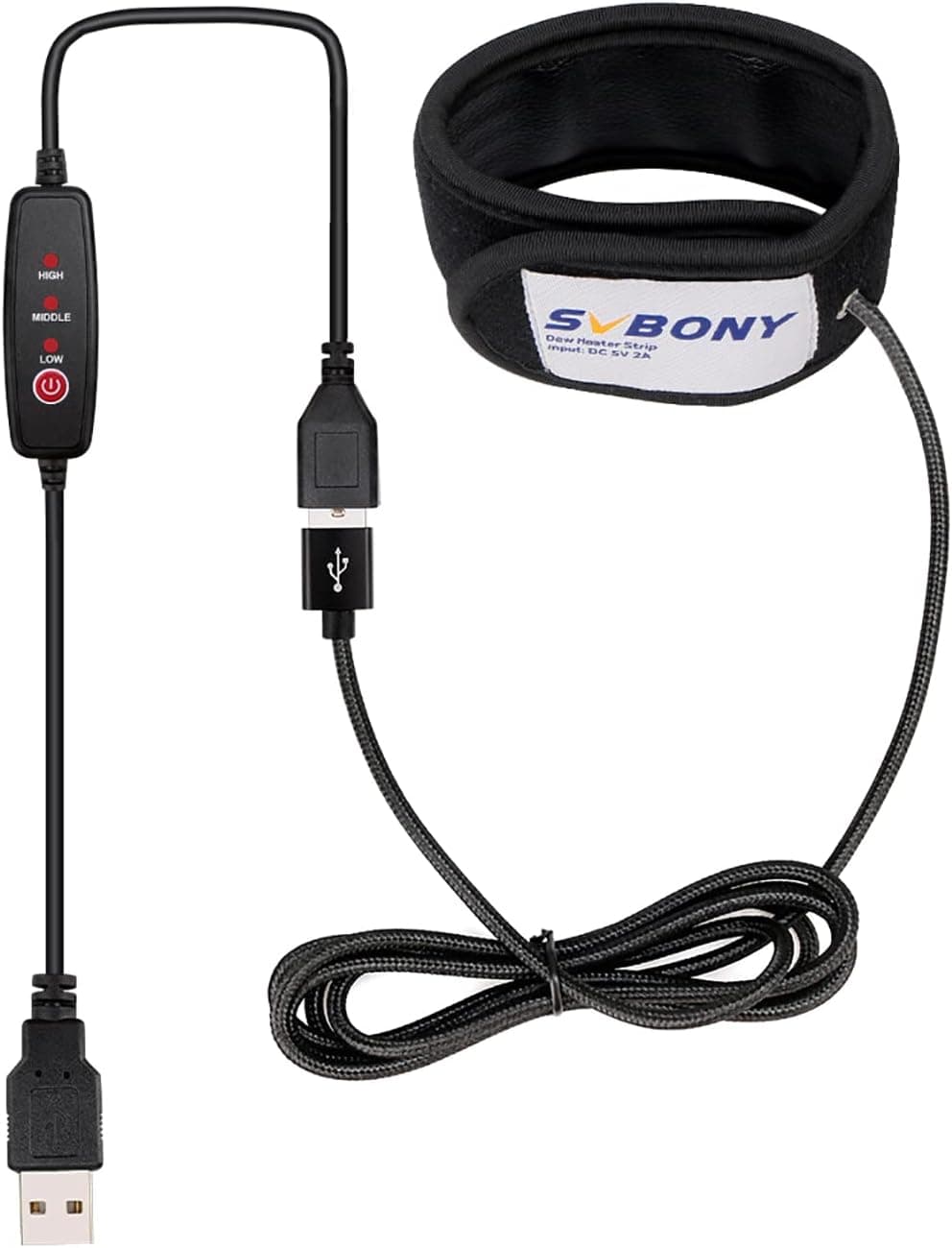
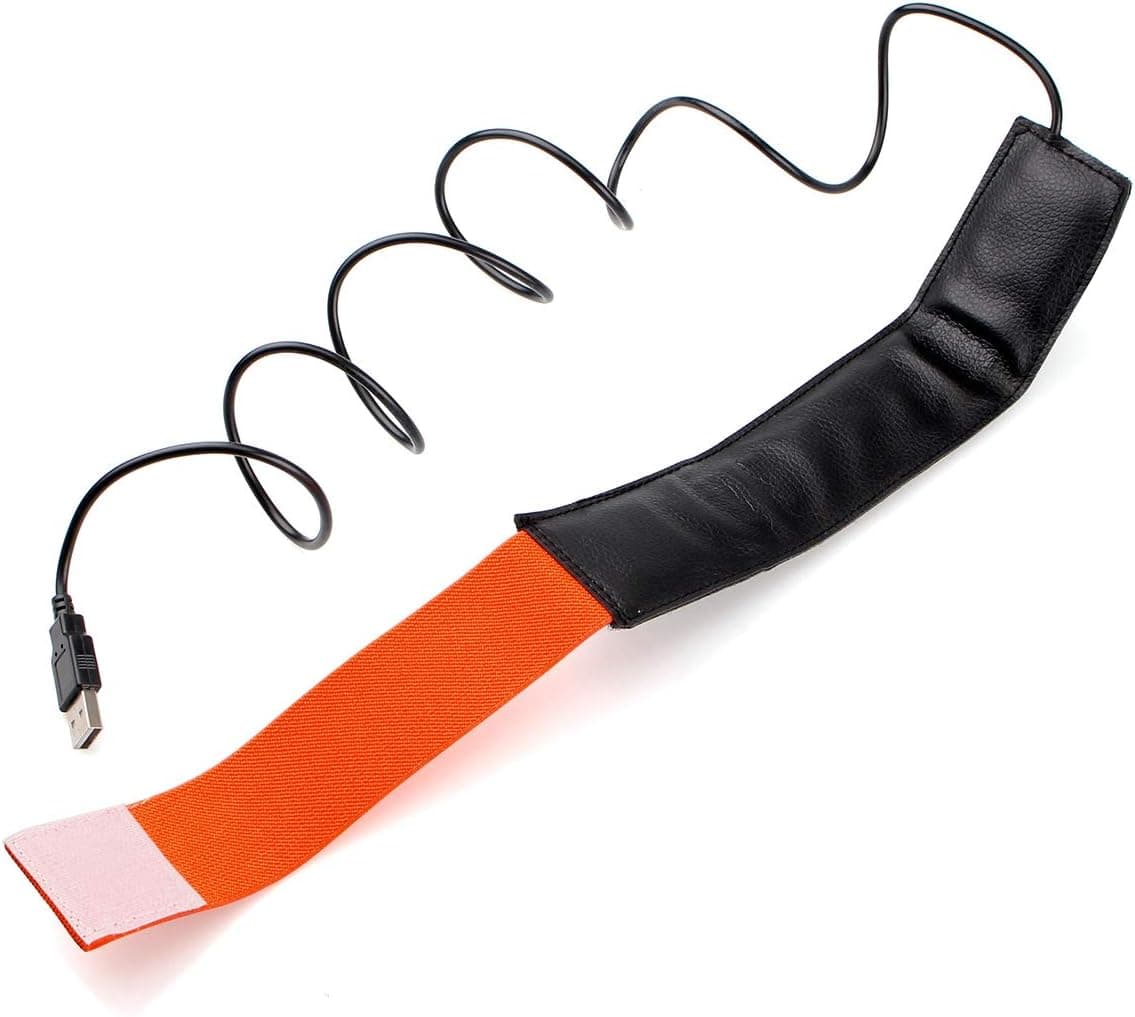
Dew heater straps wrap around the telescope near the lens or corrector and warm it just enough to stay above the dew point. They are the most reliable solution on very humid nights and for long astrophotography sessions.
Use a dew controller to adjust power so optics stay slightly warm without creating heat currents that blur the view. Straps are also available for finder scopes, guide scopes and eyepieces, which fog even when the main telescope stays clear.
Protect eyepieces and accessories
Keep eyepieces in a closed case when not in use, rather than leaving them exposed on a table. Your breath and the warmth of your face can fog an eyepiece at the eyepiece lens, so exhale away from it.
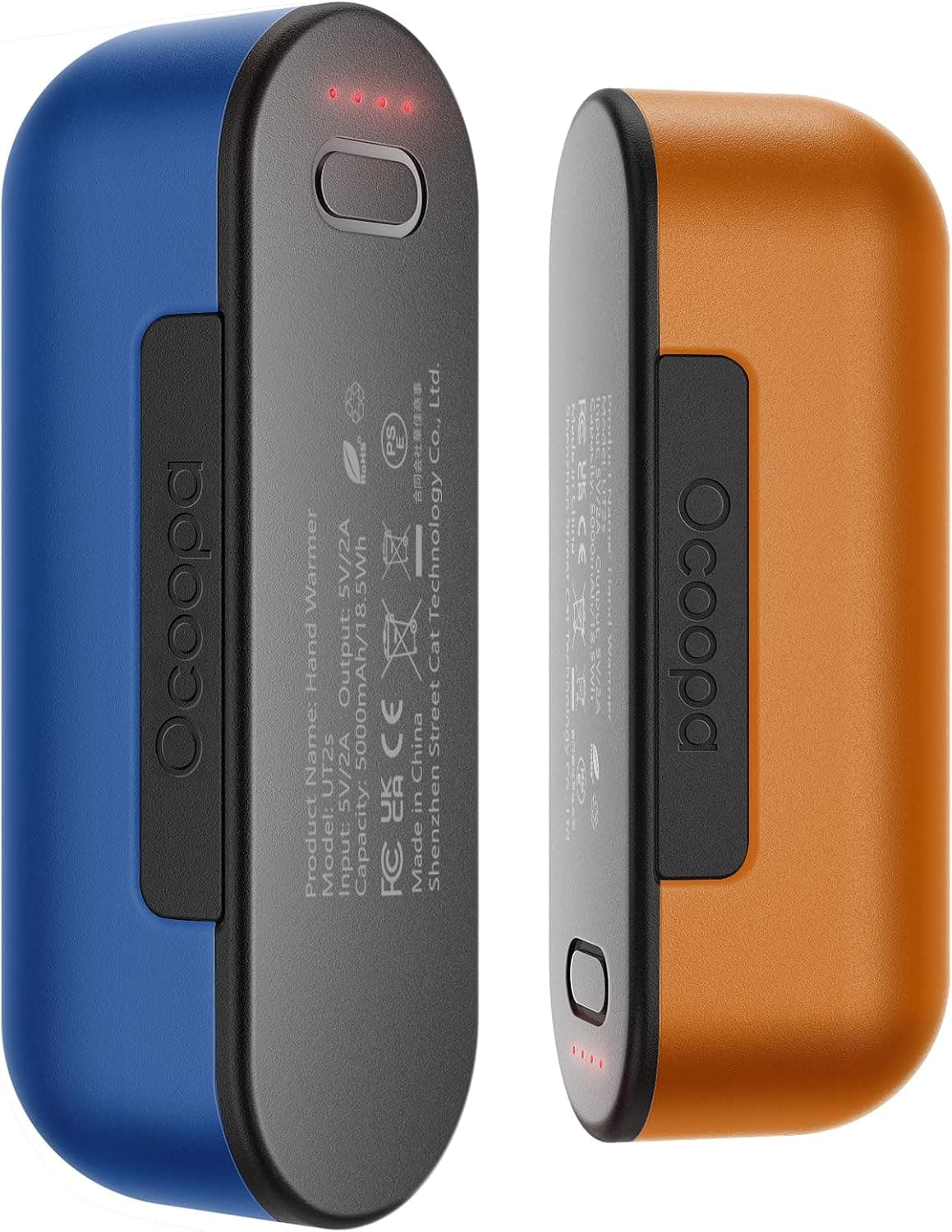
Cap the telescope and finder between observing breaks. A small insulated box or a case with a hand warmer inside keeps accessories warm and dry on cold nights.
If dew has already formed
Do not wipe dewy optics with a cloth, which can smear contaminants and scratch coatings. Instead, use gentle warm air from a 12V hair dryer designed for astronomy, a dew heater or bring the optics indoors to warm.
When you bring equipment indoors at the end of the night, leave caps off for a while so moisture can evaporate, but cover the openings loosely to keep dust out. Let optics dry fully before storing them in closed cases.
Products from this article
The highest-scoring picks from the buying guides mentioned above. Scores are our editorial assessment, not customer ratings.
+ 3 gear regulator lets you pick just enough heat to stop dew without wasting power
From our guide: Best Dew Heaters to Keep Optics Clear (2026)
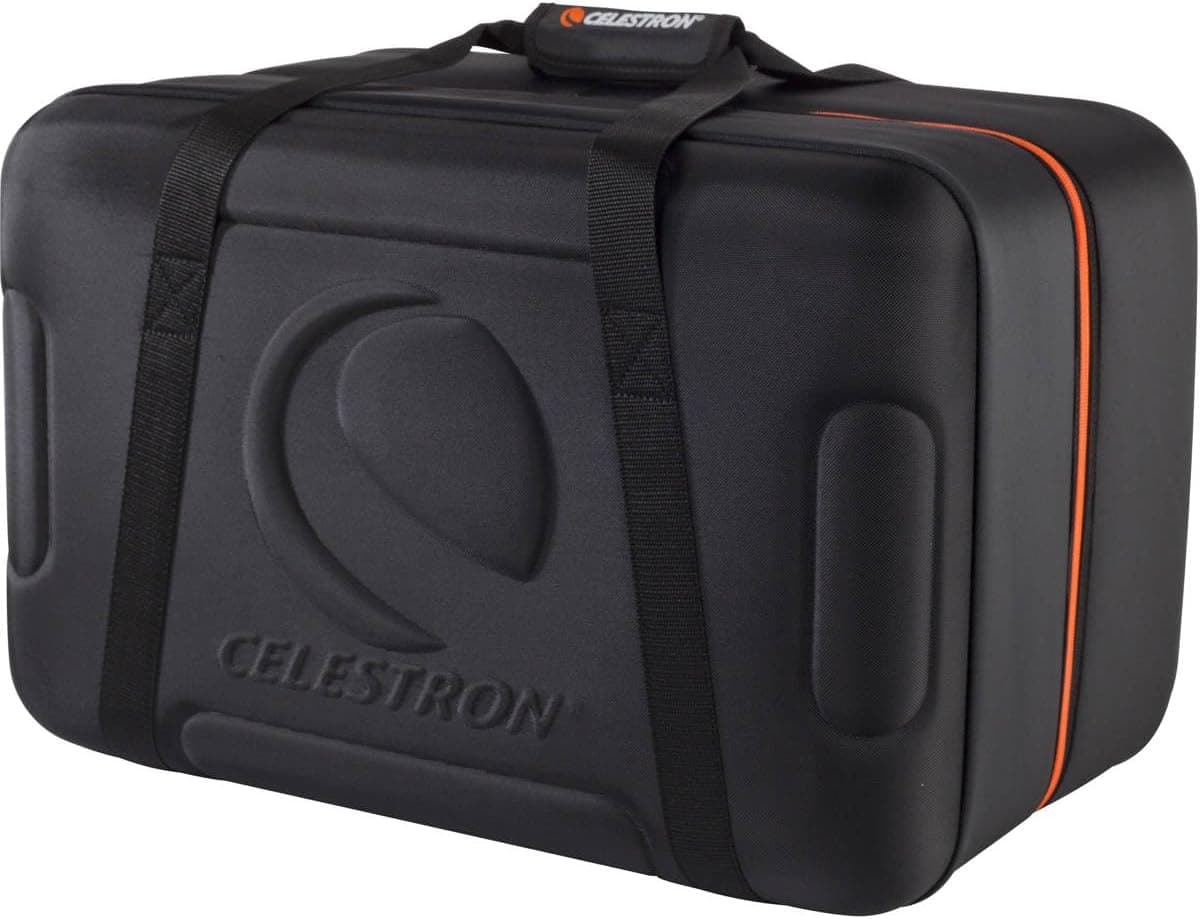
+ Fits 4, 5, 6 and 8 inch NexStar tubes with one case design
From our guide: Best Telescope Cases for Safe Transport (2026)
+ 2 Pack magnetic halves let you warm both hands or share with a friend
From our guide: Best Hand Warmers for Cold Observing Nights (2026)
+ Linear temperature control fine-tunes heat output to conditions
From our guide: Best Dew Heaters to Keep Optics Clear (2026)
Popular right now
- Best Intervalometers for Automated Astro Shots (2026)Buying guide
- Best Maksutov Telescopes for Planets and Moon (2026)Buying guide
- Best Compact Binoculars for Grab-and-Go Nights (2026)Buying guide
- Best GoTo Mounts for Automated Object Finding (2026)Buying guide
- Best Refractor Telescopes for Sharp Views (2026)Buying guide
- Telescope Maintenance and CareArticle
Based on the last 28 days of search and visitor data.