William Optics ZenithStar 71mm f/5.9 Doublet ED Refractor Z71A - Apochromatic Astrophotography Telescope Review (2026)
Updated September 21, 2026 · Research-based review
Our verdict
A compact 71mm f/5.9 doublet ED refractor with an Ohara ED glass objective and a dual speed rack and pinion focuser, built by William Optics for wide field astrophotography. Its short 418mm focal length and retractable dew shield make it easy to travel with, though minor color fringing can appear on bright stars versus premium triplets.
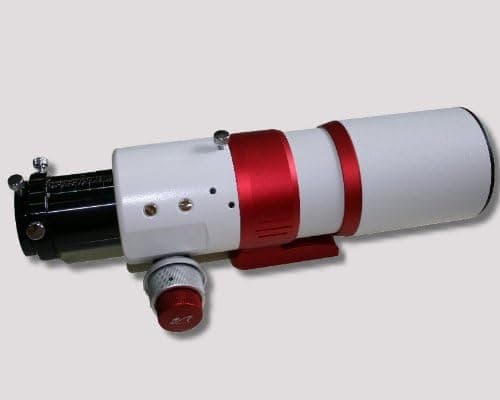
William Optics ZenithStar 71mm f/5.9 Z71A doublet ED refractor, a compact apochromatic scope for astrophotography.
Price range: $ (Budget)
What we liked
- + Short f/5.9 focal ratio collects light quickly for wide deep-sky images
- + William Optics build quality is known for fine focusers and finishes
- + Compact 71mm tube pairs well with star trackers and small mounts
Trade-offs
- - Doublet ED design shows minor color on bright stars in some images
- - Accessories like a flattener and mounting ring add to the total cost
A compact APO built for travel imaging
The ZenithStar 71, model Z71A, is a 71mm apochromatic doublet refractor with a 418mm focal length and a fast f/5.9 focal ratio, making it one of the more compact and portable options among apochromatic refractors in this comparison. William Optics uses a 2.8 inch, air spaced and fully multicoated doublet objective made from Ohara ED glass, and the bare tube measures just 310mm long, extending to 355mm with its retractable dew shield deployed. That short physical length combined with a relatively fast focal ratio makes it a natural match for star tracker mounts and smaller GoTo systems used in travel and wide field astrophotography setups.
Focuser and build quality
The scope uses a dual speed rack and pinion focuser rated at 1:10 for fine focus control, with a generous 80mm of focuser travel that accommodates a range of imaging trains and accessory combinations without running out of in or out adjustment. William Optics is known within the astrophotography community for careful attention to focuser precision and cosmetic finish, and this model's focuser is designed to hold a camera and filter wheel combination steady without sagging or slipping once locked down, a common complaint with lower cost focusers under heavier imaging loads.
Optical performance and imaging use
The fast f/5.9 focal ratio means this scope gathers light quickly relative to its aperture, which translates to shorter exposure times for a given signal level compared with slower focal ratio scopes of similar size, a meaningful advantage for imaging faint, extended deep sky objects like nebulae. As a doublet rather than a triplet design, the ZenithStar 71 can show a small amount of residual color fringing on the brightest stars in an image, a tradeoff shared with the doublet Sky-Watcher EvoStar models in this comparison, though it remains far better controlled than in achromatic refractors. A field flattener or reducer is recommended to keep stars sharp across a full frame camera sensor for imaging use.
What buyers should plan to add
Like the other optical tubes in this comparison, the ZenithStar 71 is sold as a bare tube rather than a complete imaging or visual kit, so buyers need to budget separately for a mounting ring and dovetail plate, a diagonal and eyepieces for visual use, or a field flattener and camera adapter for imaging. Its retractable dew shield is a useful built in feature that some rival tubes lack as standard, helping protect the front element from dew and stray light without needing an aftermarket accessory. The compact 310mm tube length, even with the dew shield extended, keeps total travel bulk lower than most of the other apochromatic refractors in this lineup.
Verdict and how it compares
The ZenithStar 71 ranks sixth among apochromatic telescopes in this comparison, behind the Sky-Watcher EvoStar models and the SVBONY triplets, reflecting its smaller aperture relative to most of its rivals here even as its focuser quality and compact size remain genuine strengths. It suits imagers who prioritize portability and a fast focal ratio for wide field deep sky work over those chasing maximum aperture or planetary detail, and its price sits competitively against similarly sized doublet refractors from other brands. Buyers who want the absolute best star color correction should still consider stepping up to a triplet design if budget allows.
Frequently asked questions
What is the aperture and focal length?
It is a 71mm aperture refractor with a 418mm focal length and a fast f/5.9 focal ratio.
Is this a doublet or triplet design?
It is a doublet design using Ohara ED glass, which can show minor color fringing on bright stars compared to premium triplet designs.
Does it include a dew shield?
Yes, it has a built in retractable dew shield, extending the tube from 310mm to 355mm when deployed.
Does it come with a mount or eyepieces?
No, it is sold as a bare optical tube, so a mounting ring, dovetail plate, diagonal and eyepieces or imaging accessories must be purchased separately.
Prices change often, so check the current price and availability on Amazon.
Check price on AmazonStargazer Nest may earn a commission from the link above.