Baader Planetarium 2 inch MPCC V-1 Mark III Newton Multi Purpose Coma Corrector Visual Photographic Set Review (2026)
Updated September 20, 2026 · Research-based review
Our verdict
Baader's MPCC Mark III V-1 set pairs a well-regarded Newtonian coma corrector with the extra adapters needed for visual use, not just imaging. It suits owners of fast Newtonians who want sharp stars to the field edge at the eyepiece and with a camera, at a price above the photographic-only version.
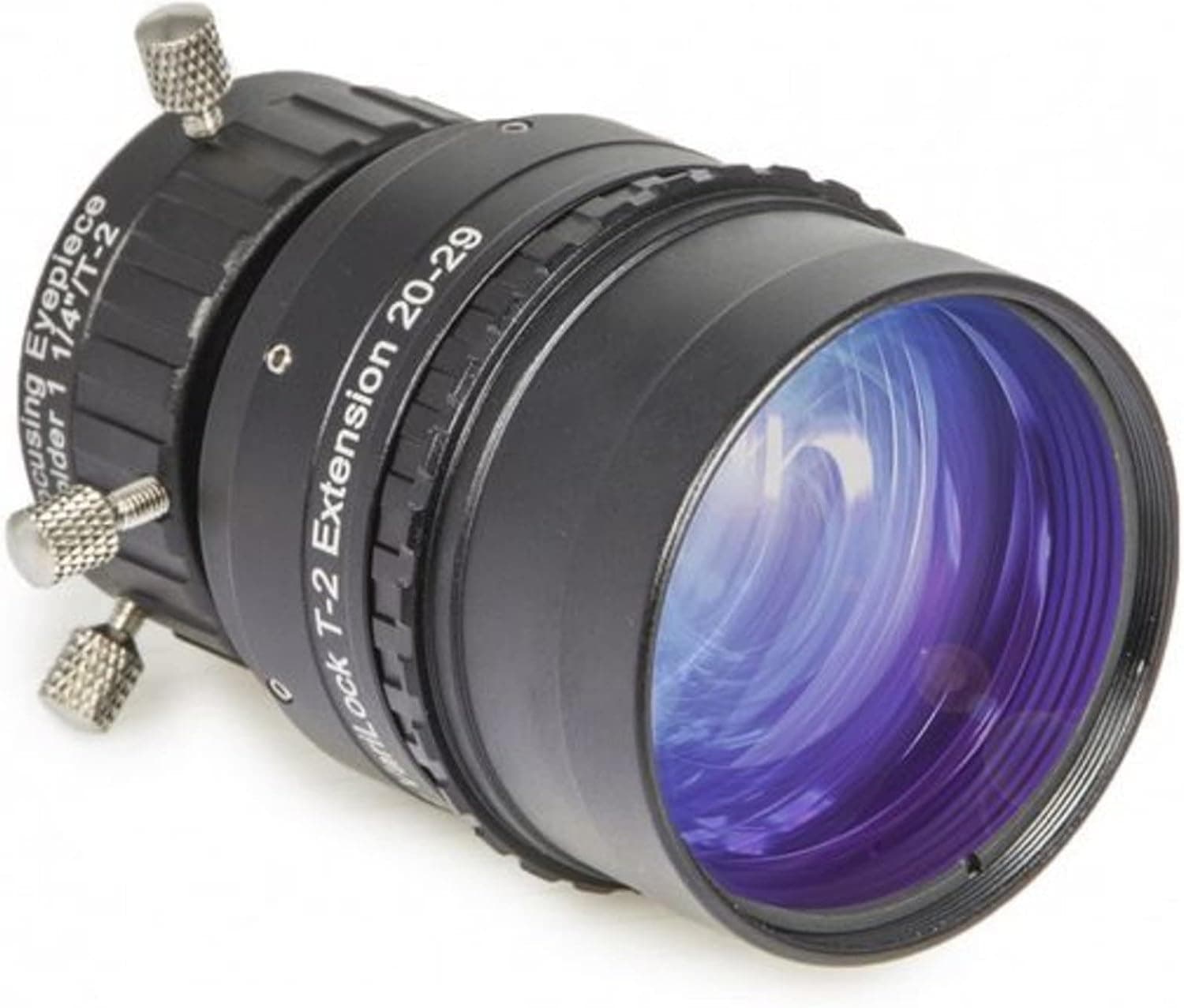
Baader Planetarium 2 inch MPCC V-1 Mark III Newton multi purpose coma corrector visual and photographic set.
Price range: $ (Budget)
What we liked
- + Visual and photographic set covers both eyepiece and camera use
- + Mark III MPCC offers excellent coma correction
- + Baader quality ensures durable, precise construction
Trade-offs
- - Set costs more than the photographic version alone
- - Visual use requires correct eyepiece positioning
What the MPCC Mark III corrects
The Multi Purpose Coma Corrector is designed for Newtonian reflectors in the f/3.5 to f/6 focal ratio range, where coma distorts stars into small comet-like shapes away from the center of the field. Independent testing cited by Baader found it to be a sharp, well-corrected option for wide-field imaging, with good illumination out to the edge of a full 35mm sensor frame. Unlike some correctors, the MPCC does not increase the telescope's effective focal length or narrow its field of view, which means the wide, fast views a Newtonian is chosen for are preserved rather than traded away for corrected stars.
Why this is a visual and photographic set
Baader sells the MPCC in a photographic-only version and this V-1 set, which adds the extra adapters needed to use the same corrector visually at the eyepiece, not only with a camera attached. That matters for observers who want pinpoint stars across the field when just looking through the telescope, since coma is just as visible to the eye as it is in a photograph on a fast Newtonian. The trade-off is straightforward: the visual and photographic set costs more than the photographic version alone, because of the added visual adapters, so buyers who only image should compare pricing against the plain photographic edition before choosing this set.
Build, mounting and back focus
The corrector inserts into a 2 inch focuser and carries external T-threads on the output side, which also accept standard 2 inch or 48mm filters directly. Baader's Phantom Group multicoatings are applied to the optics to control reflections and preserve contrast. The photographic unit alone weighs about 80 grams, light enough that it will not meaningfully shift a Newtonian's balance point. Correct results depend on hitting Baader's specified 55mm back focus distance from the mounting flange to the camera's sensor or film plane, the same standard spacing used across SLR-style T-adapters, so imagers need to check their own optical train length matches that figure.
Getting accurate results visually
Using the visual adapters correctly is what makes this set worth the extra cost over the photographic version; positioning the eyepiece at the wrong distance inside the visual adapter reduces how well coma is corrected, so it pays to follow Baader's included instructions on eyepiece placement rather than guessing. Once set up properly, the improvement is most obvious at the edge of the field in a fast Newtonian, where stars that would otherwise flare into small wings stay tight and round. Owners who only ever look near the center of the field, or who use a slower focal ratio Newtonian above f/6, will notice less benefit and may not need this corrector at all.
Where it ranks and who should buy the set
This V-1 set ranks first of seven in the site's Best Coma Correctors guide, ahead of the plain photographic MPCC, Explore Scientific's variable corrector, Baader's own Rowe Coma Corrector, and correctors from GSO and Sky-Watcher. The MPCC's reputation for sharp, vignette-free correction across f/3.5 to f/6 Newtonians explains the top spot, and the visual and photographic set is the right choice specifically for owners who alternate between eyepiece observing and imaging on the same fast reflector. Imagers who never plan to view visually through the corrector can save money with the photographic-only version instead.
Frequently asked questions
What focal ratio range does the MPCC Mark III work with?
It is optimized for Newtonian reflectors between roughly f/3.5 and f/6, where coma is most noticeable.
Why choose the visual and photographic set over the photographic version?
The set adds adapters that let the same corrector be used at the eyepiece for visual observing, not just with a camera, for a higher price than the photographic-only edition.
Does the MPCC change the telescope's focal length?
No, Baader designed it so it does not increase focal length or reduce field of view, unlike some other coma correctors.
What back focus distance does it require?
Baader specifies a nominal 55mm distance from the mounting flange to the camera's sensor or film plane for correct imaging results.
Prices change often, so check the current price and availability on Amazon.
Check price on AmazonStargazer Nest may earn a commission from the link above.