Orion Paragon-Plus XHD Extra Heavy-Duty Field Tripod Stand for Giant Binoculars Black Review (2026)
Updated September 20, 2026 · Research-based review
Our verdict
Orion's Paragon-Plus XHD is a standalone tripod built to carry giant astronomy binoculars, with an aluminum leg structure, a fluid pan head, and a crank-adjustable elevator post. It folds down for transport, but its bulk and 10 pound rated capacity make it a dedicated backyard setup rather than a light travel accessory.
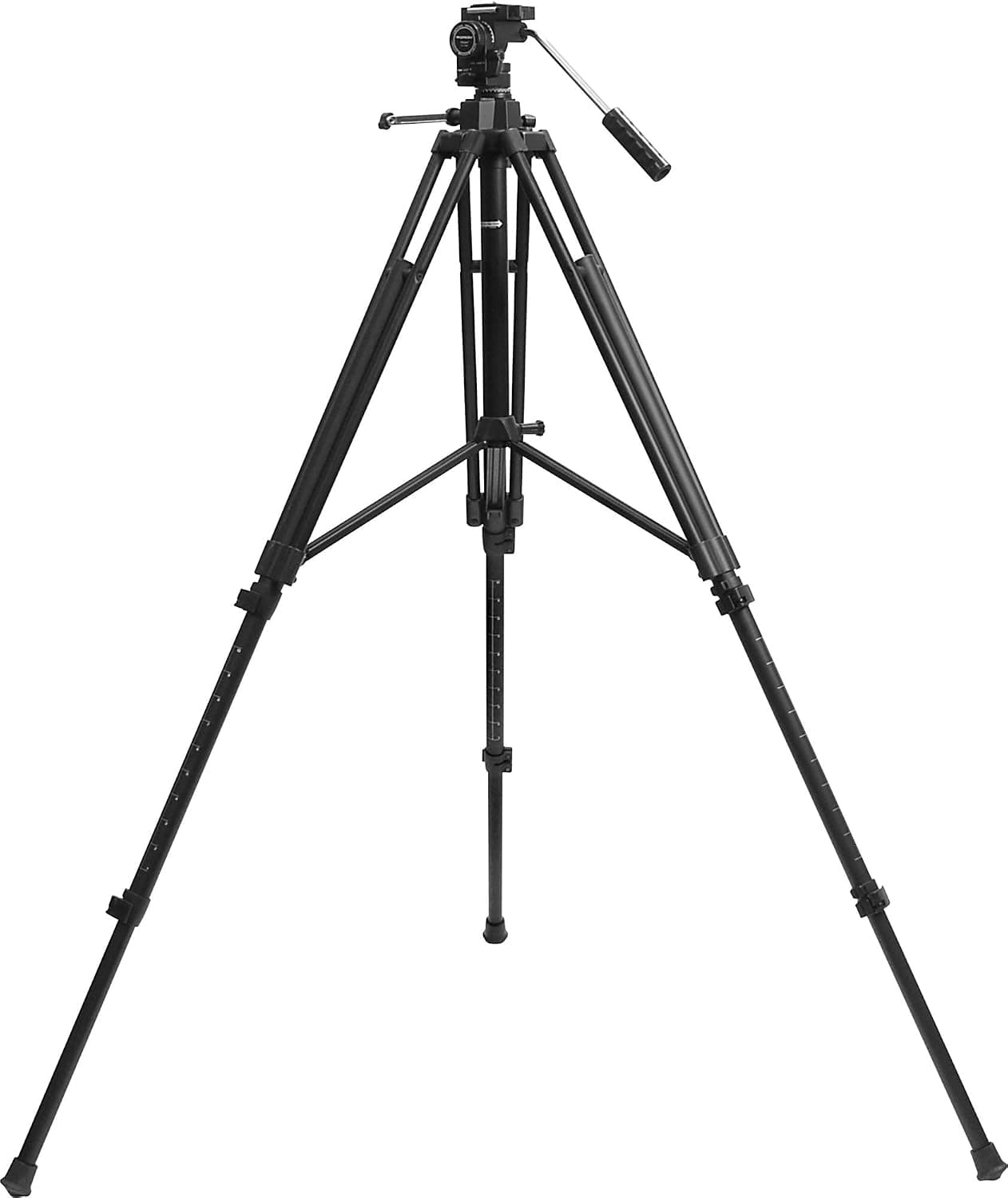
Orion Paragon-Plus XHD extra heavy-duty field tripod stand in black, built for giant binoculars.
Price range: See on Amazon
What we liked
- + Extra heavy-duty design supports large astronomy binoculars steadily
- + Tall stand helps with comfortable views high in the sky
- + Paragon-Plus system is well regarded among binocular observers
Trade-offs
- - Heavy and bulky, so it is not ideal for travel
- - Premium price compared with standard photo tripods
What this tripod is built for
The Paragon-Plus XHD is sold on its own, without a mount head, as a heavy duty support for binoculars, cameras, spotting scopes, and small refractor or Maksutov-Cassegrain telescopes that a standard photo tripod cannot handle comfortably. Orion built it around tubular aluminum legs with a maximum diameter of about 1 and a quarter inches, and each leg is laterally braced with a pair of three quarter inch aluminum tubes, then tri-braced back to the center elevator housing for extra rigidity under a heavy load. That bracing is the main difference between this XHD tripod and lighter photo tripods, which tend to flex or vibrate once a large pair of giant binoculars is mounted on top, especially at higher magnifications where any shake is obvious in the view.
Height range and the elevator post
Fully extended, the tripod reaches about 67 inches, putting large binoculars at a comfortable eye level for a standing adult, and it collapses down to roughly 34 inches for transport or storage. A rack and pinion elevator post with an 11 inch hinged hand crank raises and lowers the mounted binoculars smoothly rather than requiring the legs themselves to be readjusted for small height changes, which matters during a session where several people of different heights may want to look through the same pair of binoculars. Each leg carries graduated reference etchings so the same preferred extension can be reproduced quickly at the next setup, without measuring or guessing.
The pan head and included hardware
A two way fluid type pan head ships with the tripod, with separate tension adjustment knobs on each axis for smooth, controlled altazimuth motion while tracking a target across the sky. A 1 quarter inch by 20 quick release shoe lets binoculars or a camera be attached and removed without threading a mounting screw each time, and the tripod also includes a bubble level plus feet that convert between rubber cushions for hard surfaces and spikes for soft ground. Orion rates the complete tripod's weight capacity at up to 10 pounds, which covers most giant binoculars sold for astronomy use along with cameras and small optical tubes, though it is worth checking a specific binocular's weight against that figure before buying.
Weight and portability tradeoffs
The tripod itself weighs about 9 pounds, and Orion built it from aluminum specifically to keep that figure lower than an equivalent steel tripod while still resisting the flex that plastic legged tripods show under a heavy load. That is still meaningfully heavier than a typical photography tripod, and combined with its size when extended, it is better suited to backyard or car accessible observing than to a hike-in site where every pound in a pack matters. Buyers who already own a compatible pair of giant binoculars and want a dedicated, stable support for regular backyard use are the clearest fit, while anyone who needs an ultralight travel setup should look at a smaller adapter and tripod combination instead.
How it compares to other binocular tripods on the site
In the site's Best Binocular Tripods guide, this tripod ranks third of eight, behind Orion's own Paragon-Plus mount and tripod combo and its U-Mount and Paragon Plus XHD altazimuth package, both of which add a purpose built mount head on top of essentially this same tripod. Buyers who already own a separate binocular mount, or who plan to add one later, get the core Paragon XHD platform here without paying for a head they do not need, while those who want a complete, matched mount and tripod solution out of the box may prefer the higher ranked combo packages instead. Either way, the XHD tripod underneath all three listings is the same heavy duty aluminum design.
Frequently asked questions
Does the Orion Paragon-Plus XHD tripod include a binocular mount head?
No, this listing is the tripod alone with its two way fluid pan head; Orion also sells combo packages that add a dedicated parallelogram or altazimuth binocular mount on top of the same tripod.
How much weight can the Paragon-Plus XHD tripod hold?
Orion rates it for up to 10 pounds, which covers most giant astronomy binoculars along with cameras and small telescopes.
How tall does the tripod extend?
It reaches about 67 inches fully extended and collapses to roughly 34 inches for transport.
How much does the tripod itself weigh?
About 9 pounds, built from aluminum tubing rather than steel to keep the weight manageable while still resisting flex.
Prices change often, so check the current price and availability on Amazon.
Check price on AmazonStargazer Nest may earn a commission from the link above.